




Bid Delay Keeps Cameras out of Dozens of Dallas Police Cars
DALLAS - Dallas is rolling out about 60 new police cars without the dash-cam recorders that have played a pivotal role in holding officers accountable for how they do their jobs.
DALLAS - Dallas is rolling out about 60 new police cars without the dash-cam recorders that have played a pivotal role in holding officers accountable for how they do their jobs.
Almost a year ago, the city agreed to seek bids for new police car cameras, but an official said a police records project took precedence, according to the The Dallas Morning News.
The city isn't putting the recorders into the cars because it doesn't have any to install, officials said. About 60 new cars without cameras have been added to the patrol fleet, which now numbers about 845 cars. The number without cameras is expected to grow quickly because eight to 12 new cars are put into service each week.
The Police Department says the city's communications and information services department hasn't asked contractors for bids for new cameras despite a city decision to do so in August 2009. It could be months before new ones are installed.
Police have had technical problems with the type of camera system currently in many patrol cars since they were installed beginning in 2008, according to The Dallas Morning News. In August 2009, top city officials decided to stop buying the current type of cameras and seek bids for other camera systems. However, no request for bids has been issued because a records management system project took precedence.
Policing experts say dash-cam technology is a necessity rather than a luxury. Some officers have been cleared of misconduct because of evidence from the camera systems. Others have been proved to be engaged in criminal wrongdoing.
More Safety
New Partnership Aims to Expand Public Digital Hazard Alert System Statewide
The Hawai’i Department of Transportation (HDOT) is expanding advance digital hazard alerts for the public statewide.
Read More →
New York City Expands Safety Technologies Across Municipal Fleet
Executive Order 19 moves intelligent speed assistance and pedestrian alerts from pilot programs toward standard fleet equipment, offering other public fleets a look at how safety technology can be tested, measured, and scaled.
Read More →
Hidden in Plain Sight: Fleet Compliance Risks
Fleet compliance isn't just about having policies — it's about consistently enforcing them. This practical guide reveals six hidden compliance risks common in public sector and shared fleet operations and outlines proven strategies to improve visibility, accountability, and audit readiness.
Read More →
5 Days Left to Submit Your 2026 Fleet Safety Award Nomination
Know a government fleet, safety, or risk manager who deserves recognition for making fleet operations safer? Nominations are open through Aug. 15.
Read More →
How the First 24 Hours Can Shape a Fleet Crash Response
How a strong accident response process helps government fleets move from the initial report to recovery while building a clearer record for what needs to change next.
Read More →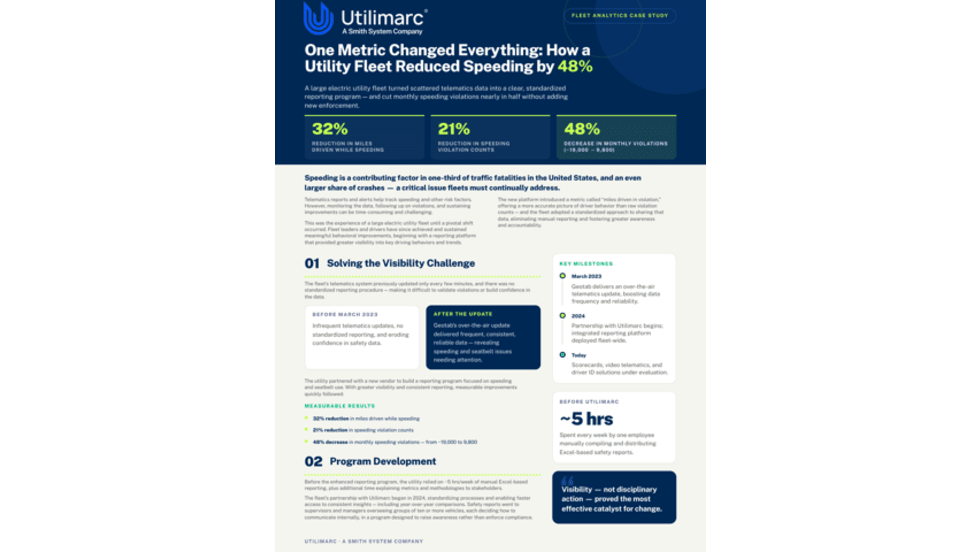
How Better Visibility Cut Speeding Violations by 48%
Fleet leaders don't need more data, they need clearer visibility into what the data is saying. This case study explores how one utility replaced speeding-event counts with a single metric — miles driven in violation — to strengthen safety and significantly reduce speeding violations.
Read More →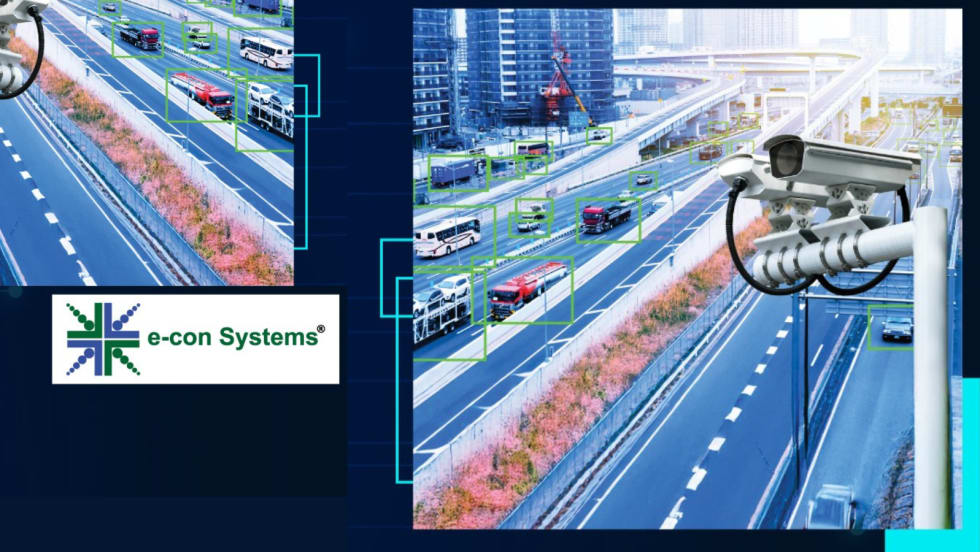
e-con Systems Expands AI Camera Tools for Traffic Monitoring
The systems support license plate recognition, traffic analytics, and video management for transportation agencies.
Read More →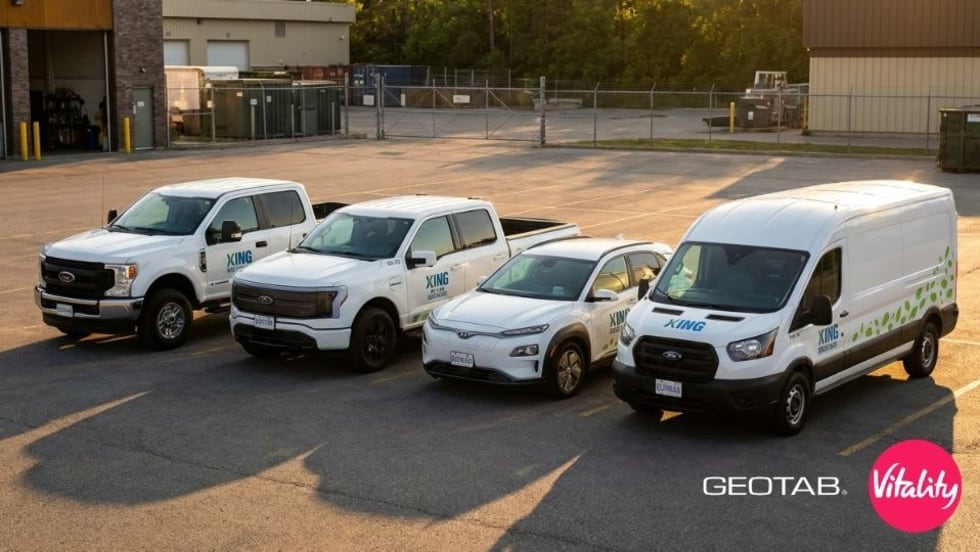
King Township Pilot Links Driver Feedback to Reduced Speeding
How King Township, a best-in-class municipal fleet, reduced speeding by 10.9% and demonstrated a projected 349% ROI by putting safety ownership directly in drivers' hands.
Read More →
Beyond the Fireline: The Critical Role of Public Fleets in Wildfire Response
Behind every wildfire response is a complex network of vehicles, data, and decisions that must work in sync under extreme pressure. Global heating trends require strong fleet coordination and reliable communications to keep crews safe and operations running smoothly.
Read More →
How AI Is Transforming Public Fleet Safety - Part 1
AI-powered safety systems are helping public fleets tackle distracted driving by delivering real-time coaching and measurable behavior change behind the wheel. In part one of our Q&A, Nauto CEO Stefan Heck explains how agencies can improve safety, reduce costs, and navigate implementation challenges with AI-driven technology.
Read More →