





Similar Content: Armored Vehicles to Help Police During Natural Disasters
Audit: Police Don’t Need Most Excess Military Gear
Law enforcement agencies receiving excess military assets through the Law Enforcement Support (LESO) Program obtained property that didn’t support their law enforcement activities.
January 8, 2021
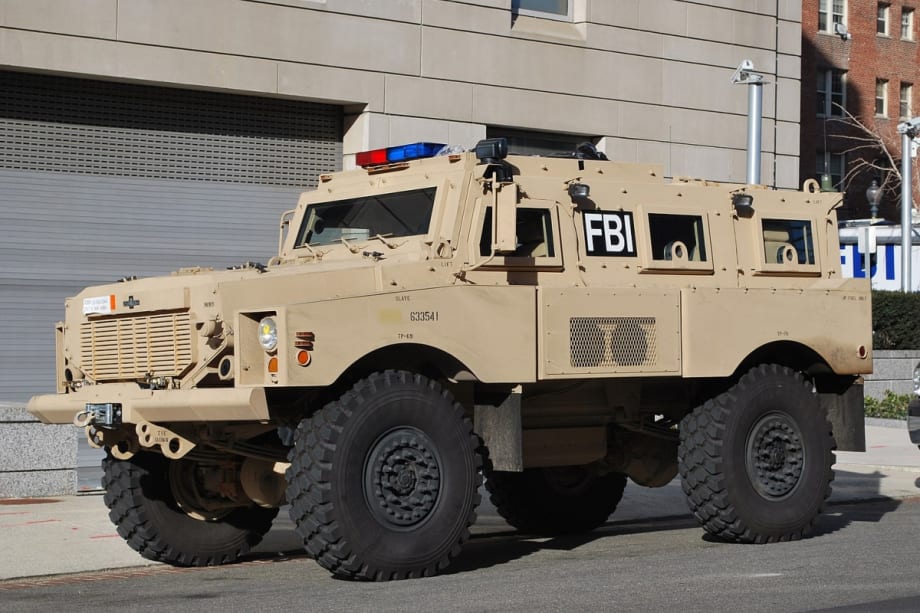
Mine Resistant Ambush vehicle
Photo: Wikipedia
2 min to read
An audit by the Department of Defense Office of Inspector General found multiple law enforcement agencies receiving excess military assets through the Law Enforcement Support (LESO) Program obtained property that didn’t support their law enforcement activities.
The Department of Defense can transfer its excess property to law enforcement agencies nationwide. This includes armored vehicles and firearms, as well as commercial vehicles, generators, hand tools, office furniture, and miscellaneous products. Since 1990, the Department of Defense has transferred more than $7.4 billion worth of property to law enforcement agencies — this includes 2,885 high mobility multipurpose wheeled vehicles and 1,105 mine-resistant ambush-protected vehicles (MRAPs).
Auditors reviewed 15 law enforcement agencies that received assets and determined many did not use the equipment for law enforcement purposes, intended to sell it or loan it to other agencies not in the program, or stored the equipment because they didn’t need it. One agency stated it had requested the property and stored it in case of a future need because it was free — including 30 generators that were not maintained, some of which became unusable.
Auditors stated that without adequate oversight, some law enforcement agencies (LEAs) received more property than they could use, forcing other agencies to purchase the assets instead. For example, two LEAs requested all-terrain vehicles through the program, but other LEAs had already received the vehicles. Auditors found another LEA that had an all-terrain vehicle it was not using.
While stating that the majority of LEAs are in compliance with program requirements, the Defense Logistics Agency, which manages the program, agreed to audit recommendations. Specifically, the agency said it would re-evaluate how law enforcement agencies are selected, increase review of the property, and enforce allocation limits.
More Police
Ford Pro Introduces Full-Size 2028 Expedition Police Responder
Ford Pro gave law enforcement customers a first look at the pursuit-rated utility during Police Fleet Expo.
Read More →
Paterson Police Expand Drone Fleet, Launch Real-Time Operations Center
The Paterson Police Department has expanded its drone program and opened a new Real-Time Operations Center designed to support emergency response and incident management. The initiative integrates multiple technologies to provide officers with real-time information during investigations and public safety operations.
Read More →
Why Public Fleet Success Depends on More Than the Vehicles
Tim Coxwell of the Leon County Sheriff’s Office discusses the projects shaping his fleet operation, including long-term work around vehicle selection, greenhouse gas emissions, and cost per mile.
Read More →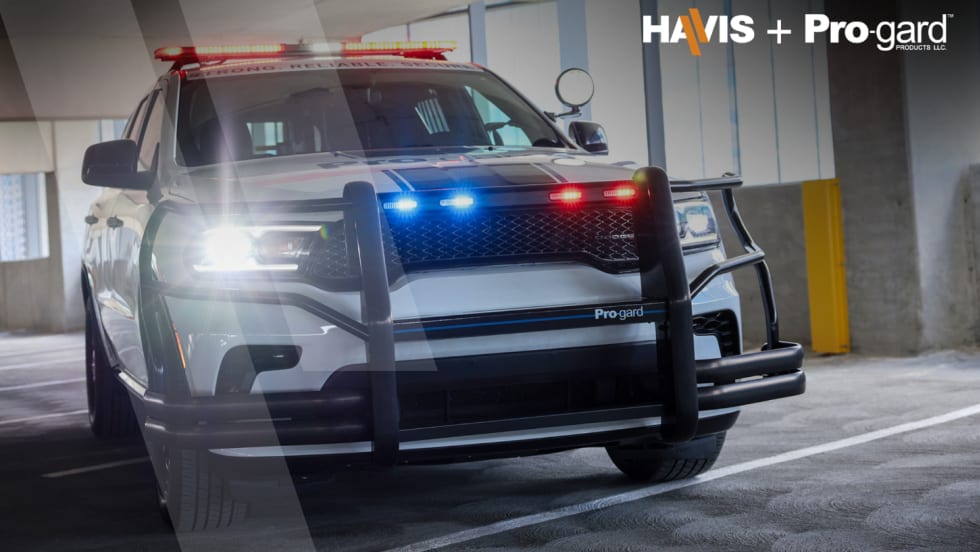
Havis Acquires Pro-gard Products
The acquisition brings together two manufacturers of public safety vehicle equipment under one company. Havis says the move expands its portfolio of products for outfitting law enforcement vehicles and other public safety fleets.
Read More →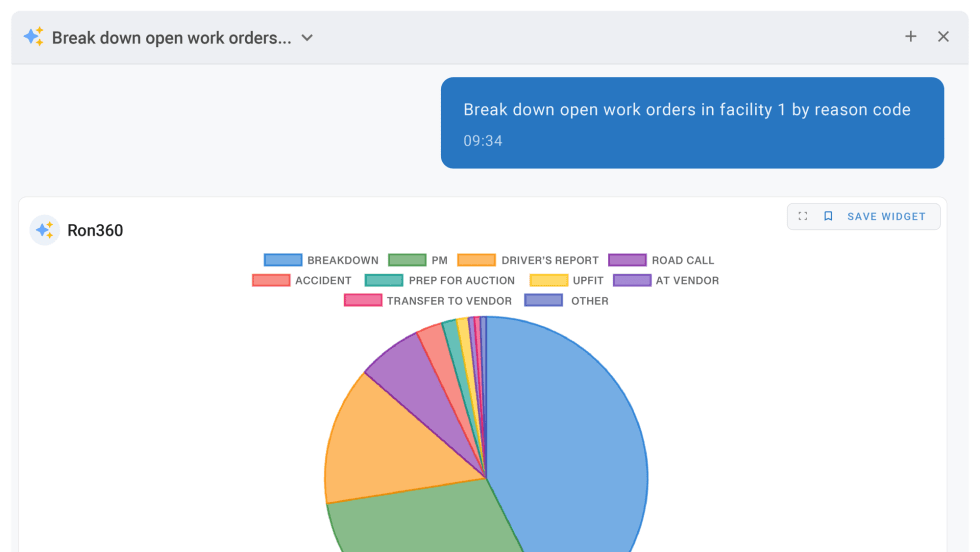
RTA Fleet Introduces AI Assistant for Fleet360 Platform
As artificial intelligence continues to gain traction across public-sector operations, fleet software providers are finding new ways to incorporate the technology into everyday workflows. RTA's latest addition aims to simplify how users interact with fleet data.
Read More →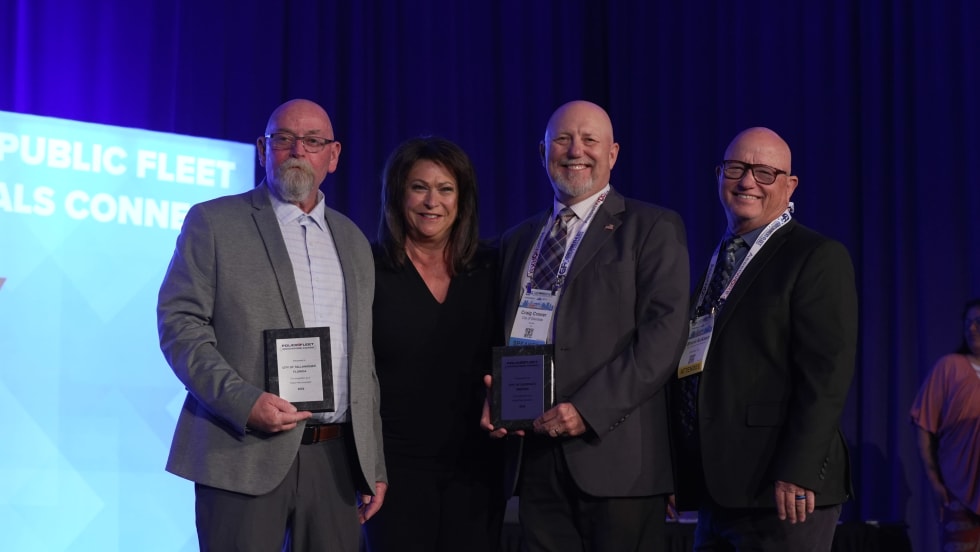
2026 Police Fleet Innovators Named
Meet the professionals finding new ways to solve some of law enforcement's toughest fleet challenges.
Read More →
Rynse Expands Nationwide Fleet Wash Access for Law Enforcement
The North Carolina Sheriff’s Association Contract Cooperative purchasing contract aims to streamline procurement process for law enforcement agencies across the U.S.
Read More →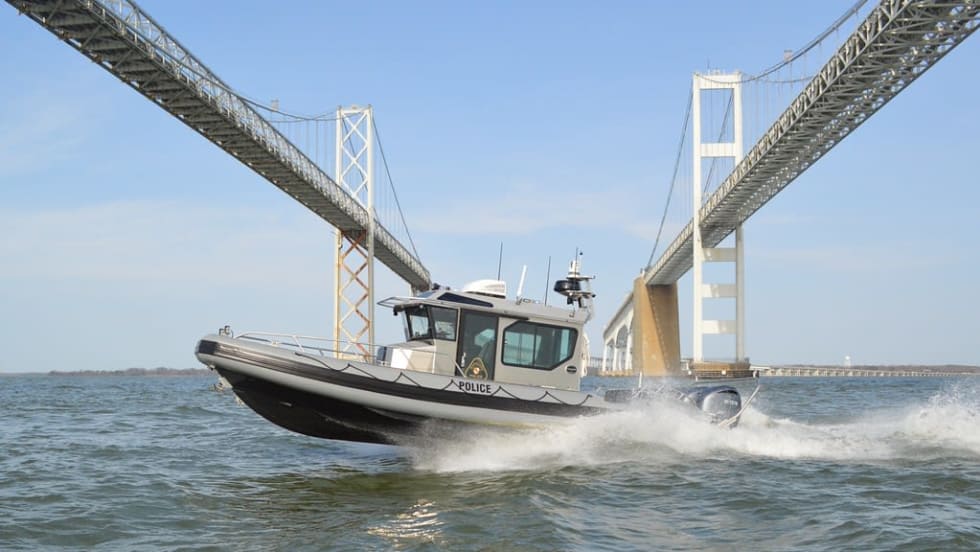
Maryland Natural Resources Police Adds 31-Foot Patrol Boat to Enforcement Fleet
A new addition to Maryland’s marine enforcement fleet is bringing expanded capabilities to Chesapeake Bay operations while honoring a legacy within the agency. The high-performance patrol vessel reflects how law enforcement fleets are adapting to growing demands on the water.
Read More →
LEHR Expands Florida Presence With Enforcement One Acquisition
LEHR has acquired Florida-based emergency vehicle upfitter Enforcement One, marking its eighth add-on acquisition.
Read More →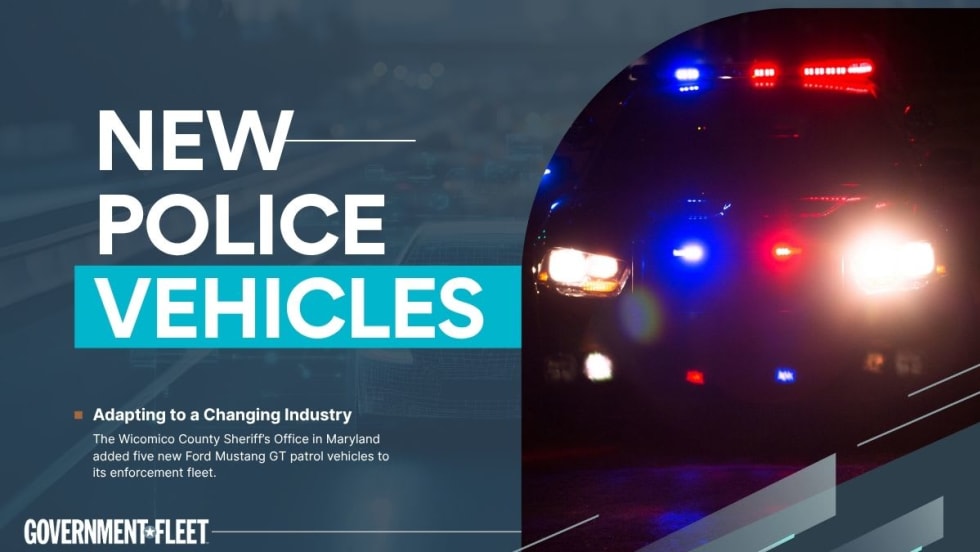
Maryland’s Wicomico County Sheriff Adds Mustang GT Patrol Vehicles
The agency is also working with the Maryland Police Training Commission on a specialized high-performance driving course for deputies assigned to the vehicles.
Read More →