



Arizona Starts to Cut Greenhouse Gases From Vehicles
PHOENIX – In the 10 years from 1990 to 2005, greenhouse gas emissions in Arizona grew by 56 percent, the fastest rate of growth of any state in the country.
PHOENIX – In the 10 years from 1990 to 2005, greenhouse gas emissions in Arizona grew by 56 percent, the fastest rate of growth of any state in the country. In an attempt to limit this growth, the Arizona Department of Environmental Quality has begun its formal rulemaking process to adopt a clean car program with new standards to reduce greenhouse gas emissions from passenger vehicles, according to ADEQ Director Steve Owens. The new rules are being developed pursuant to an Executive Order on climate change issued last year by Governor Janet Napolitano. The Arizona Climate Change Advisory Group unanimously recommended that Arizona adopt the new greenhouse gas reduction standards. If unchecked, Arizona’s greenhouse gas emissions are projected to grow by 140 percent between 1990-2020 and by 200 percent between 1990-2040. Roughly 40 percent of Arizona’s greenhouse gas emissions come from vehicles. The rules will apply to vehicles beginning with the 2011 model- year. Arizona’s rules will be based on the Clean Car program adopted by the state of California. States are authorized under the federal Clean Air Act to adopt California’s vehicle emissions standards once the U.S. Environmental Protection Agency has issued a waiver that allows California to escape the bonds of the more lax federal rules. The EPA has been withholding that waiver, and earlier this month the state of California sued the federal agency to force issuance of the waiver. In addition to California, 11 other states have adopted the California greenhouse gas vehicle standards. They are Connecticut, Maine, Maryland, Massachusetts, New York, New Jersey, Oregon, Pennsylvania, Rhode Island, Vermont, and Washington. Along with Arizona, at least four other states — Colorado, Florida, New Mexico, and Utah — also have announced plans to adopt the California greenhouse gas vehicle standards.
More Operations
Rethinking Fleet Decisions From the Budget Office to the Shop
This October we looked back at how public fleets are reconsidering familiar processes and using what they learn to make better decisions.
Read More →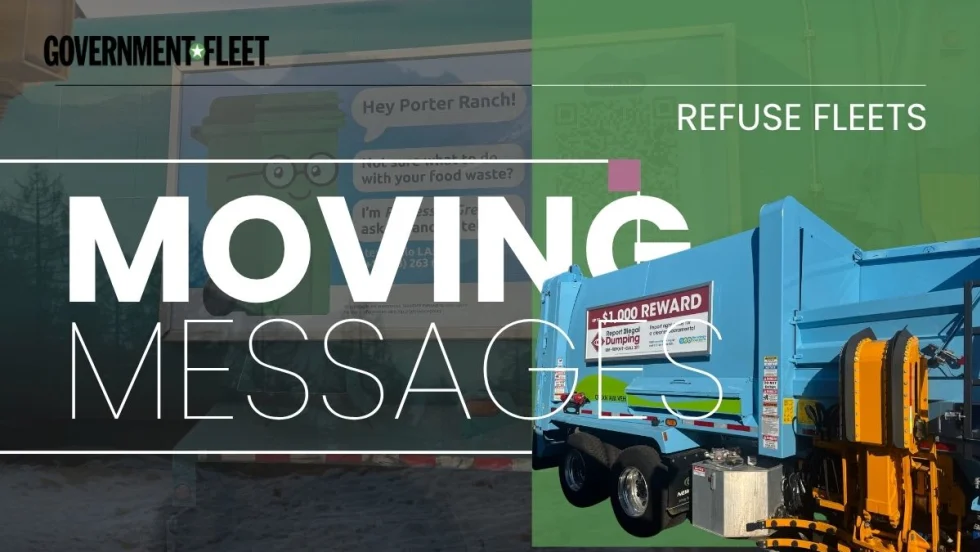
Who Owns the Message on a Refuse Truck?
Refuse trucks can carry public messages into neighborhoods, but keeping those messages current takes planning and clear responsibility.
Read More →
Who Deserves Fleet Recognition and What Could You Teach at GFX?
Who helped shape your fleet career, and what have you learned that could help someone else?
Read More →
What’s Haunting Public Sector Fleets?
Public sector fleet challenges rarely happen in isolation, and addressing one often means understanding how it connects to another.
Read More →
Is Keeping Older Fleet Vehicles Really Saving Money?
Is keeping vehicles longer saving money, and what happens when a diagnostic test points to the wrong fix?
Read More →
How Smart Fleet Strategy Can Help Local Government Agencies Do More with Less
Keeping a vehicle longer may ease this year’s budget, but what does it cost the next one? A closer look at fleet decisions can reveal opportunities to reduce spending while protecting essential services.
Read More →
Connect with Government Fleet on LinkedIn
From industry news and fleet management strategies to conversations with peers, Government Fleet's LinkedIn page offers public-sector fleet professionals another way to stay informed and connected.
Read More →
Town of Queen Creek Named Most Successful Fleet Award Winner of Inaugural RTA Fleet Success Awards
Five fleets were honored at RTA Connect 2026 in Chicago for excellence across resource efficiency, intentional culture, risk management, and stakeholder satisfaction.
Read More →
A buyer's guide to fleet management software in 2027
Buying fleet management software in 2027 means looking beyond features and price. As fleet operations, technology and expectations evolve, this guide explores what today’s fleet professionals should consider when choosing a system that can deliver value now and adapt to what comes next.
Read More →
Hazard Alerts, Fleet Car Sales Rise and a New Shuttle Concept
Fleet car sales doubled, but the bigger picture tells a different story in this week’s roundup.
Read More →