News
Government Fleet Car Sales More Than Double in September
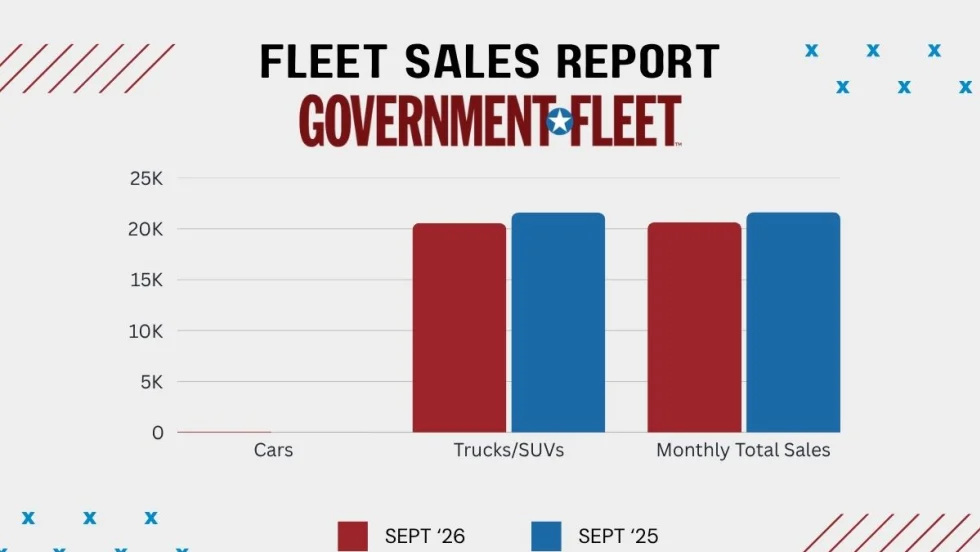
Government fleet car sales rose 112.8% year over year in September, climbing from 39 to 83 units even as total monthly sales declined 4.5%.
Read More → MENU
 SEARCH
Government fleet car sales rose 112.8% year over year in September, climbing from 39 to 83 units even as total monthly sales declined 4.5%.
Read More →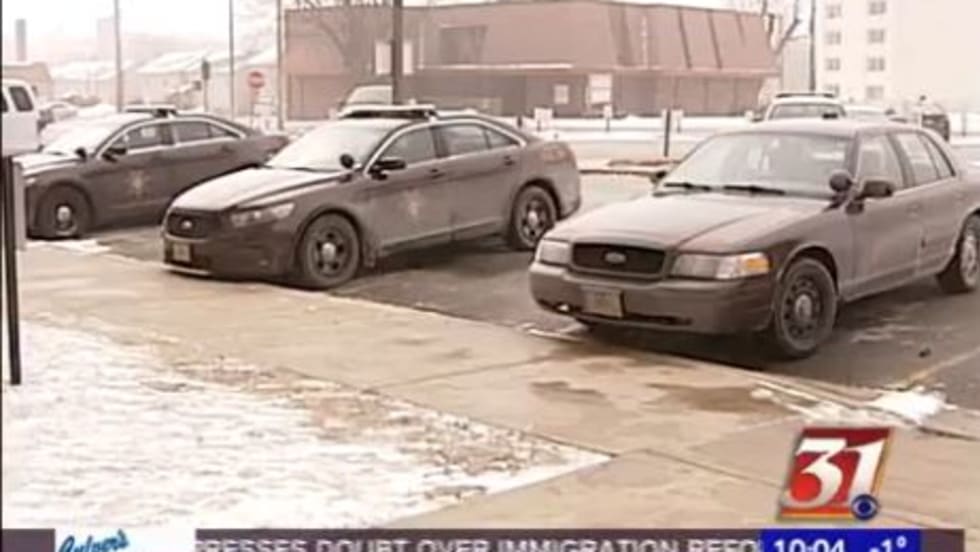
In Central Illinois, money from drug busts is often being used to fund fleet purchases. That’s the case in McLean County, where many of the Sheriff’s Department’s fleet of marked vehicles is paid for by federal asset forfeiture money, according to Central Illinois Proud.
A new agreement between U.S. Bank and cooperative purchasing group WSCA-NASPO offers states, cities and public educational entities streamlined access to more U.S. Bank commercial fuel-card programs at preferred prices, the bank announced today.
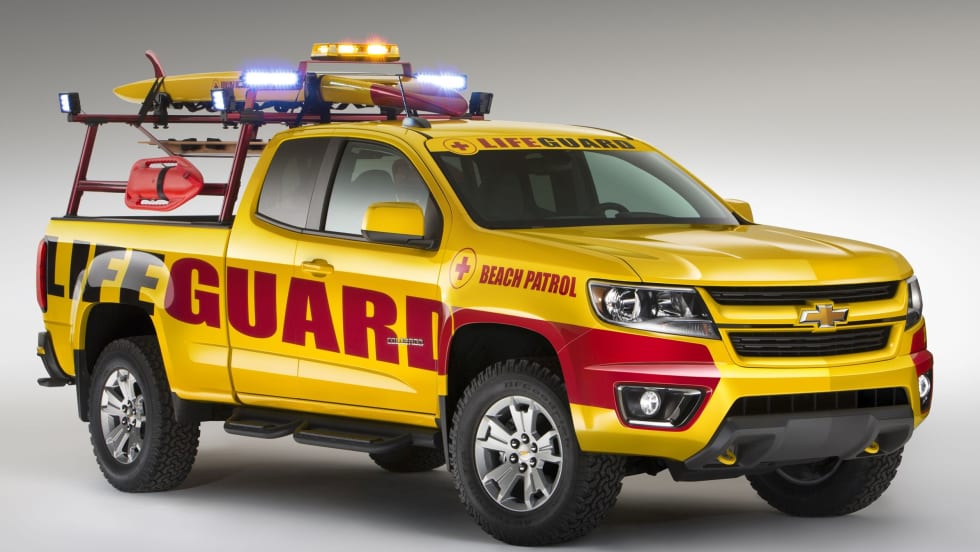
Public fleet managers are awaiting the return of the mid-size truck, hoping for a lower capital cost and improved fuel efficiency over larger models.
Cook County, Ill., has saved about $250,000 with a car sharing program in its first year by downsizing the vehicle fleet by 10 cars, cutting mileage reimbursement, and salvaging older vehicles.
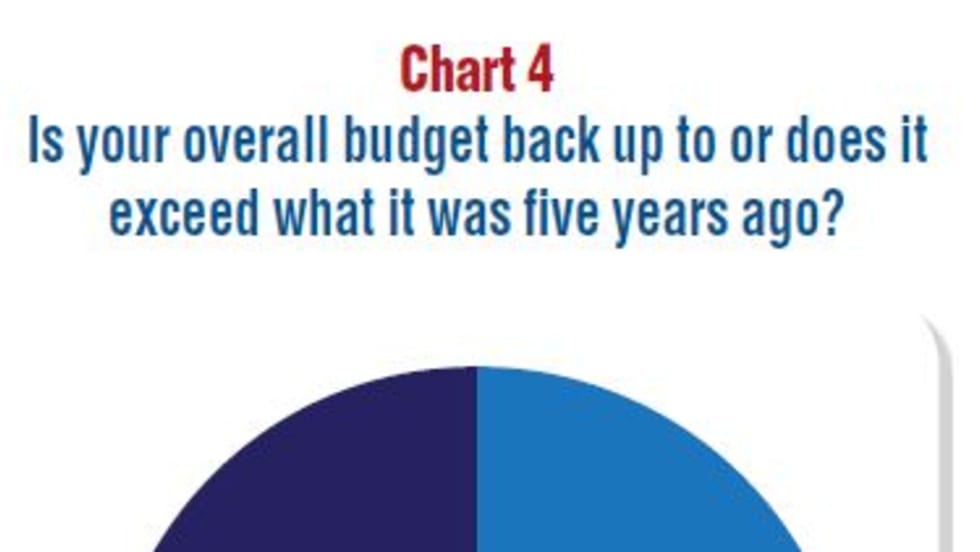
The economy is undoubtedly improving, and oftentimes, public fleet finances are improving along with it. In a Government Fleet survey, 59% of respondents said their fleet finances are back to pre-recession levels and 80% said they’re optimistic about the future, but others still face challenging times and fear their budgets will never get back to “normal.”
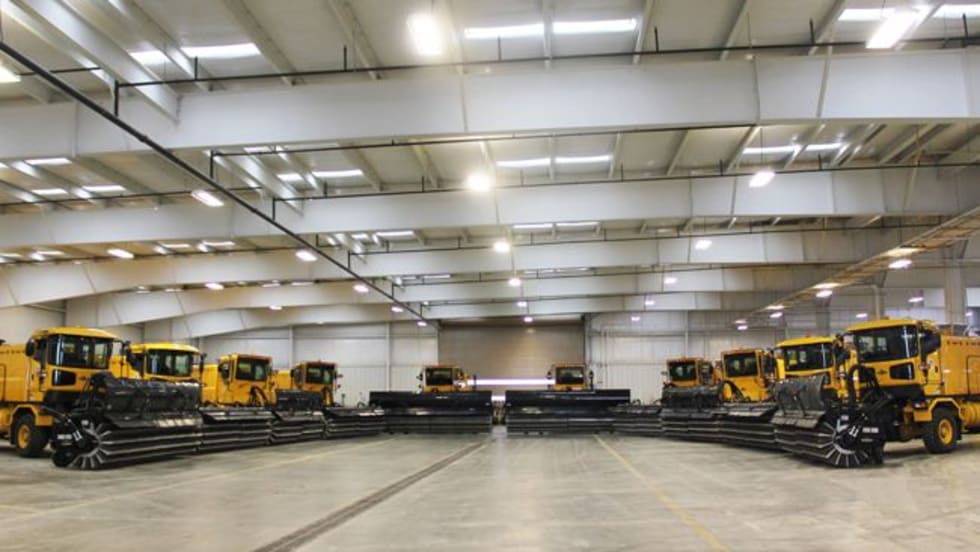
Kansas City International Airport chose to refurbish and upgrade 10 Oshkosh snow removal vehicles used to maintain the airfield during snow events as well as routine debris-clearing operations.
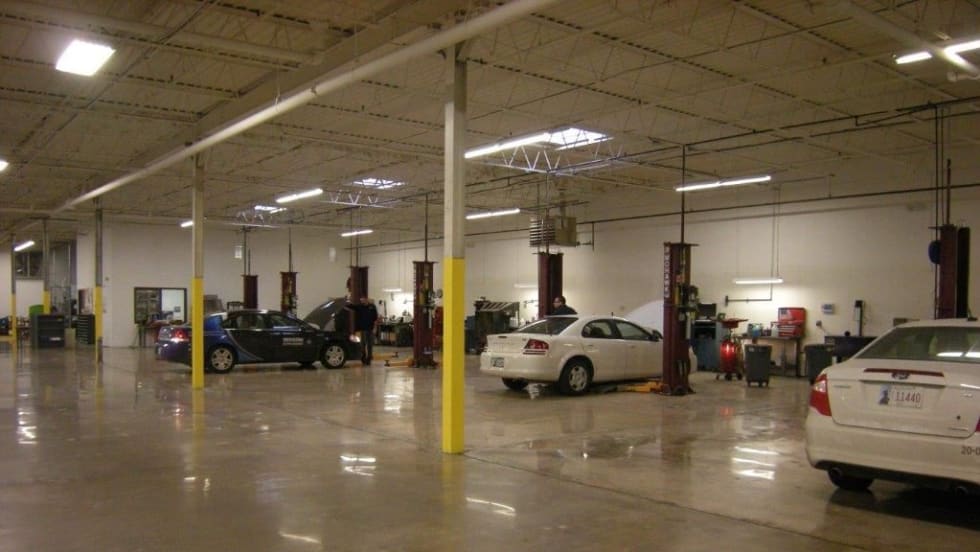
The State of Oklahoma can save $1.3 million a year by reducing the number of underutilized non-pursuit light-duty vehicles by 30%, a fleet consultant has recommended.
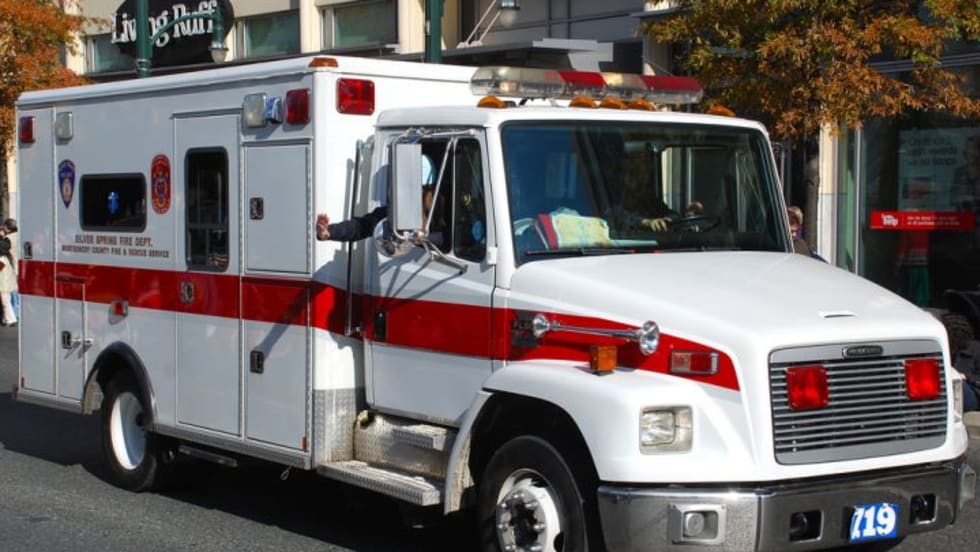
Montgomery County, Md., plans to add as many as 14 new fire and EMS vehicles by July 1 with funding from a newly collected ambulance transport fee expected to generate $18 million a year.
The $500,000 outlay is the first since 2008 for new police vehicles and will be funded by casino revenue from the Seneca Nation of Indians.
City of Quincy, Ill., Mayor Kyle Moore hopes raising refuse collection prices and charging private haulers to work in the city will allow the city to replace seven of its nine refuse trucks and set aside $100,000 per year for vehicle replacement.