




Who Tells Your Story?
With so many baby boomers in the fleet management profession, I think about what this generation leaves behind when they retire.

If you’re a Hamilton (the musical) fan, you may recognize the title of this editorial. I won’t say too much about the musical, but the character of Treasury Secretary Alexander Hamilton obsesses about his legacy, what he leaves behind, and how his story will be told after he’s gone.
With so many baby boomers in the fleet management profession, I think about what this generation of professionals leaves behind when they retire or move on. And perhaps what’s more important than who tells their story is what those stories told.
Leaving a Lasting Change
Some fleet managers say the thing they’re most proud of is bringing up the next generation of fleet professionals. They enjoy mentoring those who work with them and leaving them well prepared for their career in fleet management.
Another way to do this is through scholarships. The Florida Association of Governmental Fleet Administrators (FLAGFA) is in the process of expanding its auto/diesel technician scholarship programs, with a goal to double its current scholarships. Years later, those who have made this happen can look back and say they helped young technicians reach their educational goals.
Think of the fleets pushing for alternative fuels in their fleets and local areas. Those constructing compressed natural gas (CNG) fueling stations for their municipal vehicles and making it accessible to the public are not only changing the composition of the fleet, but also allowing trucking companies to switch to the alternative fuel. A more local example is with electric vehicle (EV) charging infrastructure. By installing public-access EV chargers, fleet managers are telling the public it can invest in EVs.
Within Your Own Operation
Your legacy doesn’t have to be industry-wide or affect a large area. It is more likely within your own fleet operation.
In one of the articles in the October issue, the fleet manager from New Orleans talks about a 500-page emergency planning document that was left behind by one of his predecessors. The plan is updated constantly, so it’s not necessarily produced by any one individual. It’s a collection of procedures that are proven to have worked during emergencies, and the current fleet manager is grateful to have this document for guidance during what could be his most stressful and adrenaline-fueled days at work.
Here’s another example for you. A fleet manager was hired to oversee a mid-size city fleet a few years ago. Fleet staff, including the second-in-command — a long-time employee at that fleet who had applied for the job himself — were skeptical.
This fleet manager had military fleet experience, and he brought with him new ideas and methods that turned the municipal fleet around. The staff grew to appreciate him, and when he left two years later, the second-in-command stepped into the role, more prepared for it than he had been. I’m sure the fleet manager who left knows that he’s made a lasting change to the operation.
Your legacy can be the policies and procedures you leave behind. It can be the awards your organization has won or the articles — good or bad — that are written about the fleet. It can be the impact you have on your team, both personally and professionally.
Whether it’s a person, a document, or project that tells your story, it’s nice to think that your life’s work has made a positive change somewhere.
What do you hope to leave behind?
More Blog Posts
Understanding the Road to Improved Operations
Every fleet has goals, but meaningful progress depends on knowing where the operation stands and continuing forward when the path changes.
Read More →
Navigating the Crossroads of Data and New Technologies
As data volumes increase and emerging technologies advance, where do government fleets stand? Takeaways from Samasara Go Beyond Public Sector 2026.
Read More →
When the Roadblocks Hit, Where is Your Inspiration?
It can be easy to get caught up in the busy day-to-day of fleet, but when the problems pile up, that's when it's time to find the motivation to keep going.
Read More →
Is it Time for Change or Consistency?
Consistency can be good, but there comes a time when you have to step back and ask whether what you’re doing is the best approach.
Read More →
Blink and You’ll Miss It: Fleet Reflections from 2025
A note as we leave behind 2025 and plan for new ventures heading into 2026.
Read More →
It’s Far Worse Than a Technician Shortage…
A letter to government fleet leaders on the technician gap and how to rebuild the pipeline that keeps public services running.
Read More →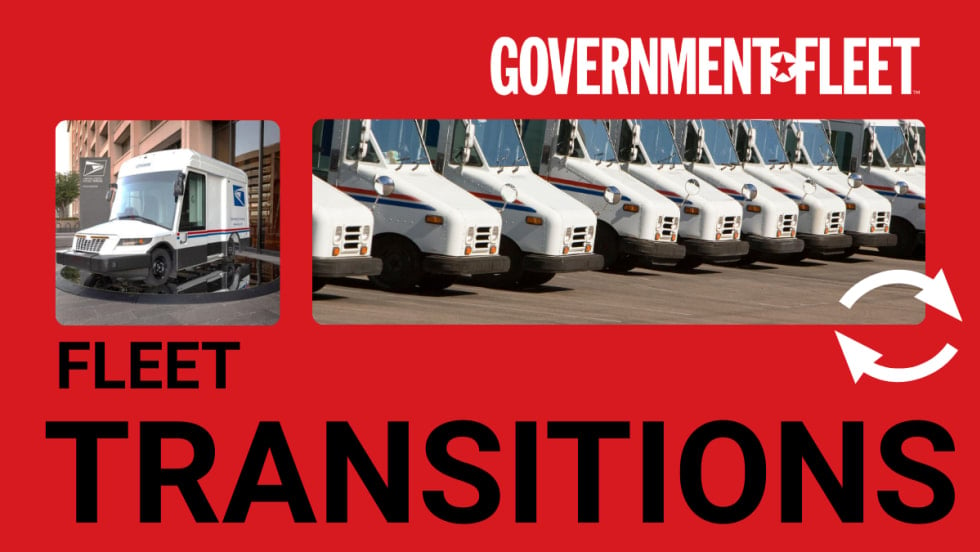
Public Perception of Your Fleet Changes
How fleet transitions shape public perception and how a well-managed rollout can influence your fleet's narrative.
Read More →
The Balancing Act: Stability vs. Shifting Leadership Priorities
With the revolving door of government leadership bringing new priorities fleets are expected to pivot, even if those pivots undermine long-term planning.
Read More →
How Technology is Driving Upgrades in the City of Columbus Fleet Operations
How the city of Columbus fleet has embraced change as a strategic driver, using technology to revolutionize how the fleet fuels, tracks, and measures performance across a 260-square-mile service area.
Read More →
At the End of the Day, Be Good to Yourself
When the stresses of your work life become too much, don't forget to prioritize yourself and find balance in each day.
Read More →