





Keep Reading: Building Resilience: Disaster Preparation for Fleet Insurance Planning
The “People Problem” in Disaster Response
No fleet wants to face a major, or even minor, disaster but when it comes to disaster response, it's not the trucks that make or break a plan. It’s who picks up the keys.
June 18, 2025
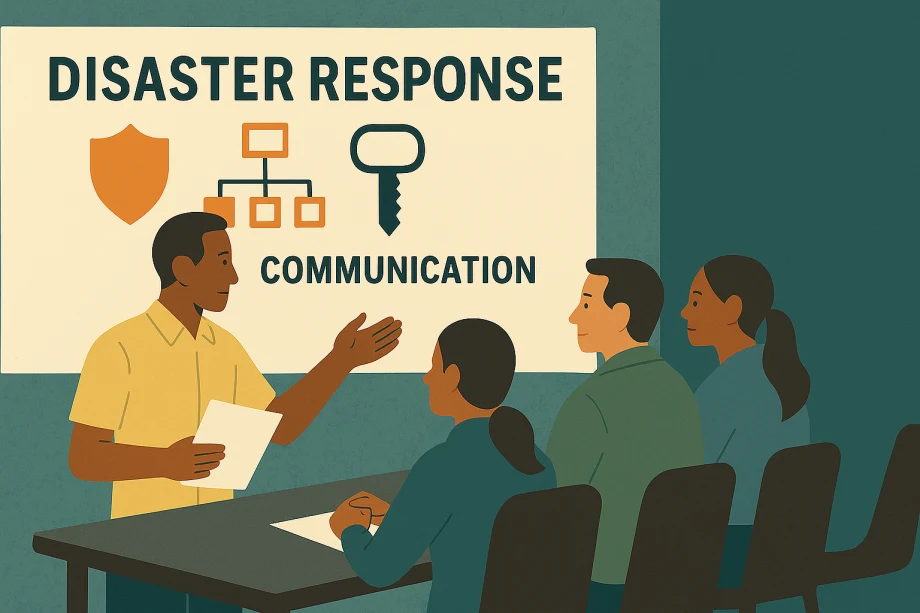
No fleet wants to face a major, or even minor, disaster but when it comes to disaster response, it's not the trucks that make or break a plan. It’s who picks up the keys.
Photo: This utilizes an AI-generated image. Refer to our Terms of Use.
2 min to read
By now, you've probably seen BBM's Disaster Preparation & Response Guide. And if you haven't, I encourage you to check it out.
One thing you'll notice going through this guide is that there is a multitude of areas fleets need to be on top of when it comes to being prepared for the unexpected. Fleet leaders not only have to ensure there is a short-term plan for immediate emergencies but also create plans that span years in addition to post-incident response.
But to ensure those plans come together smoothly means looking beyond the vehicles and equipment and focusing on the people behind the response.
Communication: Who Picks Up the Keys?
Even the most detailed disaster response plan won't matter if no one on the team knows who's in charge, who has the keys to the fuel depot, or who's responsible for calling in backup. During a crisis, your operations are only as strong as your communication.
And in many fleets, that communication breaks down fast. Shift changes, vacations, retirements, and new hires all quietly chip away at institutional knowledge. If you haven't done a recent walkthrough of your plan with your current team, you may be basing it on assumptions that no longer hold.
Having a plan written down is the first step. Step two is making sure every person involved knows their role without having to flip through a binder. Ask yourself: if your fleet division manager is out of town, who steps in? If your lead technician is unreachable, who handles fleet triage?
These aren't hypothetical gaps, they're common, and they often surface at the worst times.
Training Without the Fire
Fleets shouldn't need a hurricane to run a drill. And you shouldn't wait for a wildfire to test your fuel supply protocols. In short, no-notice tabletop exercises with your team can reveal who's ready and where assumptions live.
Try this: pick a scenario, give your staff 15 minutes to respond as if it's happening now, then walk through what worked and what didn't. Keep that plan fresh in everyone's mind so that if and when something arises, each person knows not only their role but everyone else's.
Disaster response is often framed as a systems problem revolving around data, assets, and routing, but it's also a people problem. How your team reacts, communicates, and adapts will determine whether your plan holds or falls apart under pressure.
So, if it's been a while since your last drill, or if you're not sure who would answer the call at 2 a.m., now's a good time to ask.
Subscribe to Our Newsletter
More Blog Posts
Understanding the Road to Improved Operations
Every fleet has goals, but meaningful progress depends on knowing where the operation stands and continuing forward when the path changes.
Read More →
Navigating the Crossroads of Data and New Technologies
As data volumes increase and emerging technologies advance, where do government fleets stand? Takeaways from Samasara Go Beyond Public Sector 2026.
Read More →
When the Roadblocks Hit, Where is Your Inspiration?
It can be easy to get caught up in the busy day-to-day of fleet, but when the problems pile up, that's when it's time to find the motivation to keep going.
Read More →
Is it Time for Change or Consistency?
Consistency can be good, but there comes a time when you have to step back and ask whether what you’re doing is the best approach.
Read More →
Blink and You’ll Miss It: Fleet Reflections from 2025
A note as we leave behind 2025 and plan for new ventures heading into 2026.
Read More →
It’s Far Worse Than a Technician Shortage…
A letter to government fleet leaders on the technician gap and how to rebuild the pipeline that keeps public services running.
Read More →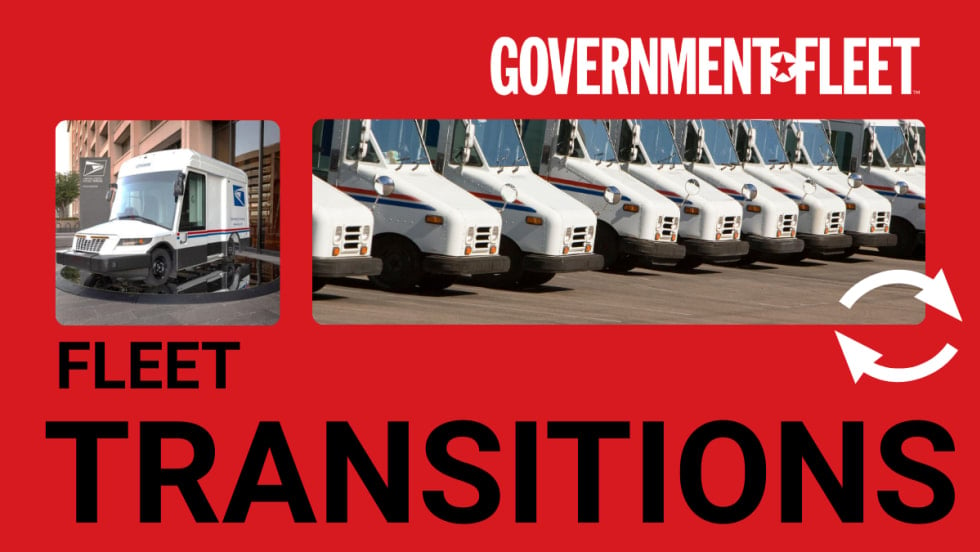
Public Perception of Your Fleet Changes
How fleet transitions shape public perception and how a well-managed rollout can influence your fleet's narrative.
Read More →
The Balancing Act: Stability vs. Shifting Leadership Priorities
With the revolving door of government leadership bringing new priorities fleets are expected to pivot, even if those pivots undermine long-term planning.
Read More →
How Technology is Driving Upgrades in the City of Columbus Fleet Operations
How the city of Columbus fleet has embraced change as a strategic driver, using technology to revolutionize how the fleet fuels, tracks, and measures performance across a 260-square-mile service area.
Read More →
At the End of the Day, Be Good to Yourself
When the stresses of your work life become too much, don't forget to prioritize yourself and find balance in each day.
Read More →