


About the Author
Brent Wahl is the director of Fleet Management for Pasco County, Fla. He can be reached at BWahl@pascocountyfl.net.
 MENU
MENU SEARCH
Here are just some questions to consider when looking at implementing telematics in your fleet.


Here are just some questions to consider when looking at implementing telematics in your fleet.
A common item across fleet Q&A websites is fleet managers looking for recommendations on telematics products. The specific product recommendations have changed over the years as companies and products have come and gone, but price and customer service are still the most common decision criteria. While important, I’m often concerned another critical piece of the telematics puzzle is not discussed: “What service am I looking for, and how does it tie into the information systems I already have?”
Fleet managers for years have discussed the issues of “paralysis by analysis” from having too much data to attempt to analyze and make decisions with. Despite this issue, we continue to add new information/technology systems without considering their impact on the information management of the entire fleet organization.
Most government fleets, at a minimum, operate a Fleet Management Information System (FMIS) and a fuel management system. Additional systems and services include telematics, automated fueling devices (CANceiver with passive telematics), and car sharing/automated motor pools (also with passive telematics), among others. Each system is often selected based on its own individual cost and performance rather than how it fits into the agency’s information management plan (do you have one?). This often results in additional systems and databases that need to be managed, as well as duplication of data capture rather than a simplification of processes.
Let’s assume we are selecting a telematics system and all have vehicle location and driver behavior monitoring that is similar. Some products have:
● The ability to pull actual mileage from the computer through the OBDII port
● Integration relationships with most fuel system and FMIS products
With these capabilities, would we be able to import mileage nightly from the telematics vendor? Sure…and it could be invisible to us if there was a direct integration relationship between fuel system and telematics vendors. Could we then eliminate CANceiver technology (on heavy equipment too)? We would now need cards or some other technology to identify vehicles during fueling transactions. How much could be saved and allocated to the telematics costs with this change? Is there some other limitation or data lost? Cost benefit for the data/capability lost?
What if we select a telematics vendor who is already directly integrated with OEMs? Beginning with MY20 vehicles, some telematics products are able to sync with the factory modem in the vehicle and can produce telematics results without hanging any hardware on the vehicle. What is this worth? If we consider that with the points above, have we eliminated the need to hang any hardware on a vehicle and get 90% of the same services from telematics and CANceivers combined? Where is the technology headed?
These are just some questions to consider when looking at implementing telematics in your fleet. Just remember to start with the 30,000 foot view of all your information management and collection and see how the proposed systems fit and what the overall cost to the agency is. Good luck!
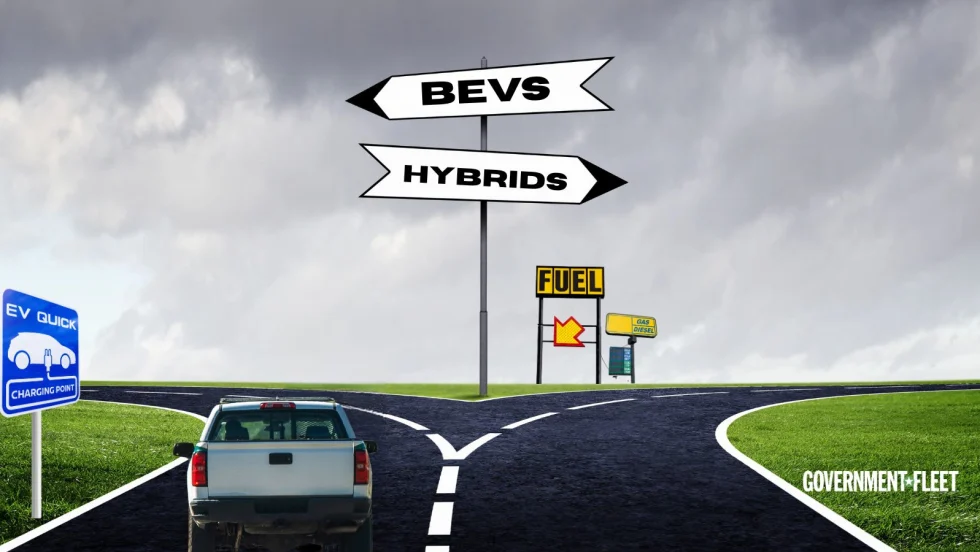
As automakers pivot toward hybrids and extended-range models, the costly slowdown in battery-electric vehicle adoption raises questions about what comes next for the Big Three and government fleets.
Read More →
Clear development opportunities can help fleets show technicians how their skills and careers may progress within the organization.
Read More →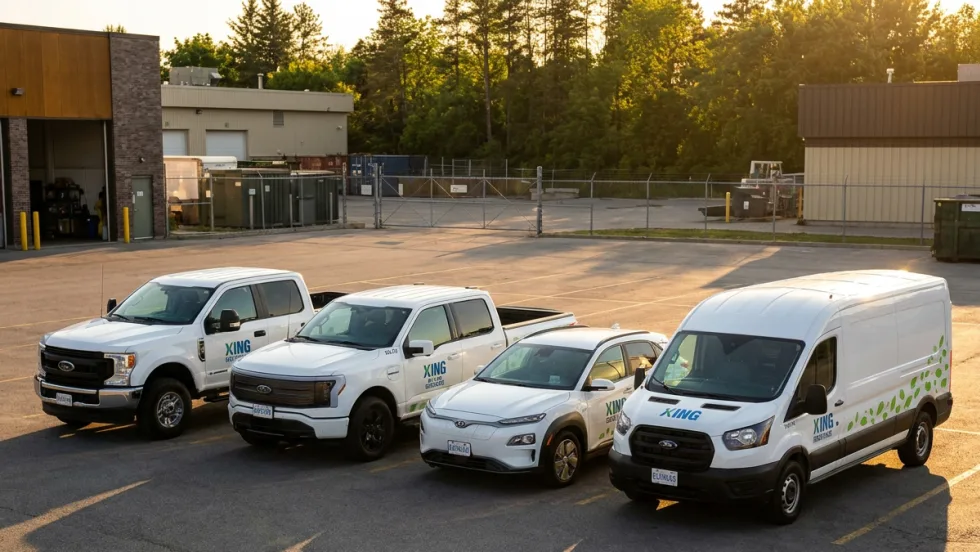
Every municipal vehicle tells residents something about how their fleet is being managed. For King Township, Ontario, that visibility made speeding more than a driver performance issue.
Read More →
As municipalities expand their use of fleet technology, the challenge is less about collecting data and more about making that data usable.
Read More →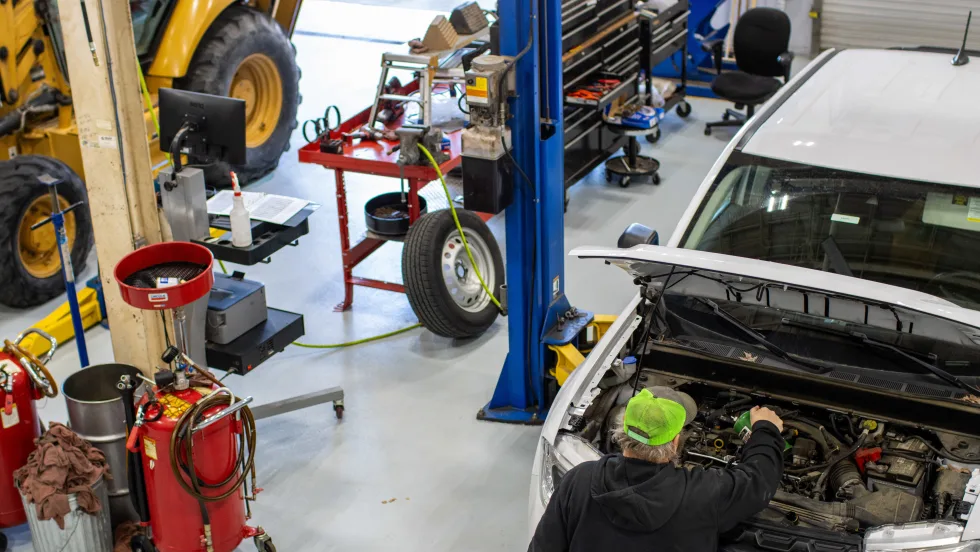
The potential to manage your fleet effectively while ensuring the safety of both employees and the community can often go untapped, but there are certain habits you can adopt to get to that point.
Read More →
For fleet professionals who haven't attended GFX in a while, this year's event provides more than just education sessions and networking opportunities. From emerging leaders and innovative fleet strategies to industry recognition and peer-to-peer discussions, GFX 2026 reflects the changing landscape of public fleet operations.
Read More →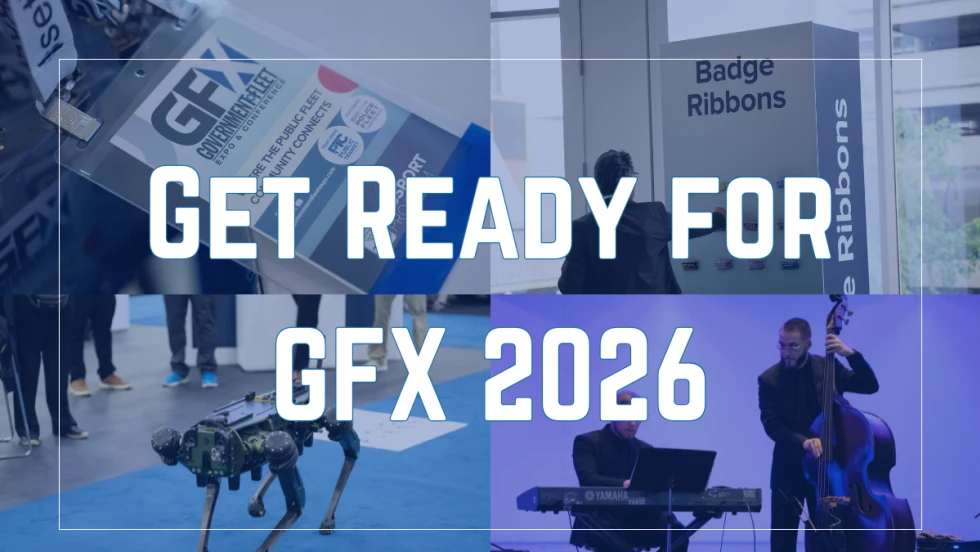
The Government Fleet Expo & Conference can be overwhelming in the best way possible. Whether you’re a first-time attendee or a returning fleet professional, these practical tips will help you plan ahead, stay energized, maximize networking opportunities, and make the most of every moment at GFX 2026 in Long Beach.
Read More →
A new strategy in how to present conference attendance justification for you and even for your staff and how you and they can benefit and even thrive in the conference environment.
Read More →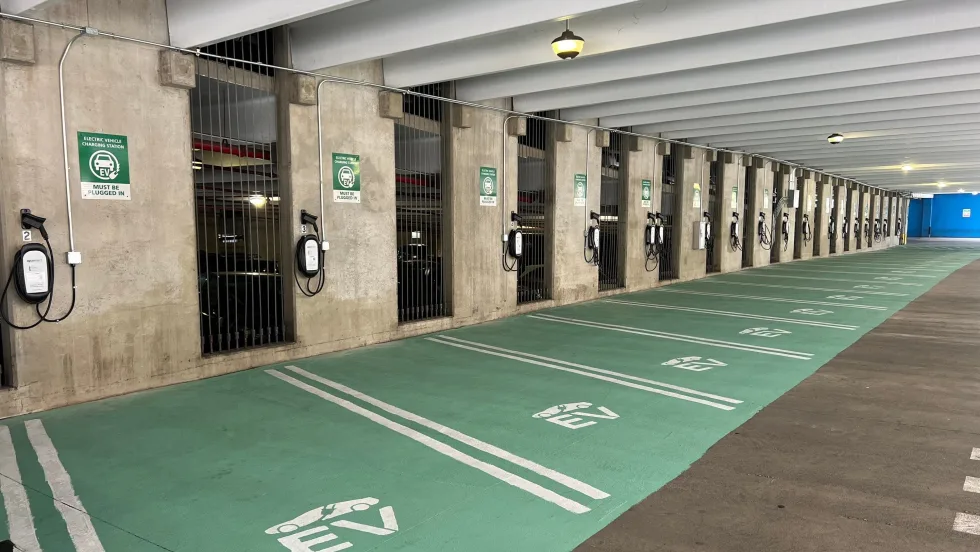
How the EV model can address concerns about meeting state mandates, cost, emissions and range anxiety.
Read More →
The metrics government fleets should track to get a full understanding of their fleet operation.
Read More →