




Perception vs. Facts
As I am sure everyone has seen in the last several months, perception versus facts (even alternative facts) have been all around us. Unfortunately, it seems fact’s stock has taken a hit and perception, as a mechanism for making decisions, has gone up.


Photo via Pixabay
As I am sure everyone has seen in the last several months, the debate between perception and facts (and even alternative facts) have been all around us. Unfortunately, it seems fact’s stock has taken a hit and perception, as a mechanism for making decisions, has gone up. Let me share an example to get you thinking.
Many of us fleet folks have our preferences, in particular when it comes to police vehicles. There was a time where Chevrolet Tahoes were more expensive than other options, but when approached from the total cost of ownership, Tahoes were the better option.
Now let’s talk about perception. The average citizen out there has every right to ask about larger vehicles and the perception that they consume more gas, cost more, and so on. Without having the facts, you can hardly blame them, and you certainly cannot assume that they are familiar with total cost of ownership.
So, why is this important to us — perception versus facts? We the fleet managers operate in a very specialized environment. With every day that passes, it’s become quite clear to me that many folks do not understand fleet, auto parts, and I might even go as far as saying "the trades."
It is imperative that we communicate facts before misleading perceptions cloud the judgement of our community or leaders. You would be surprised what a simple conversation can do if you present simple facts. So be a fact checker or fact deliverer; we need more of those in our world.
More Blog Posts
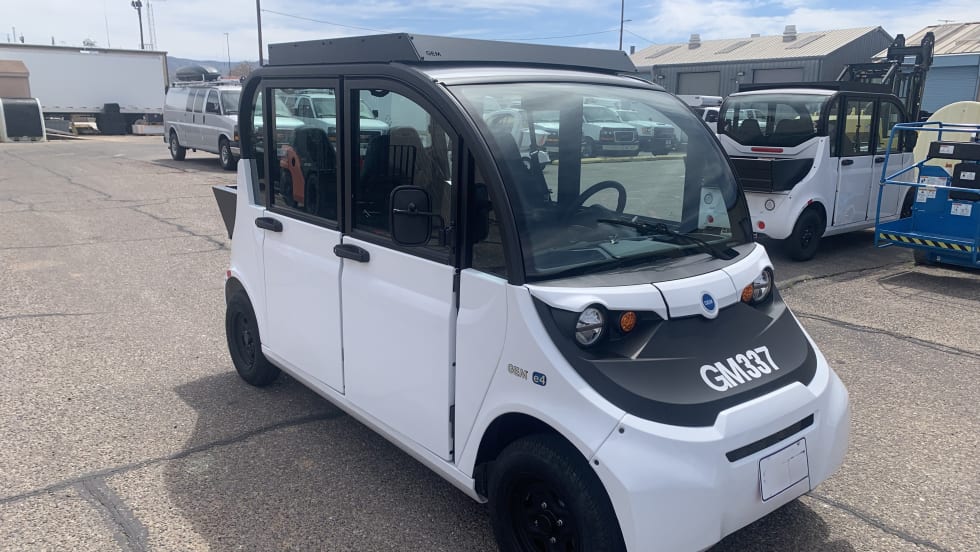
Taking a Solar-Powered Ride with Sandia National Laboratories
A case study of Sandia National Laboratories examines their transition from gas-powered golf carts to alternative transportation options. In 2002, the organization began this process with the acquisition of low-speed electric vehicles.
Read More →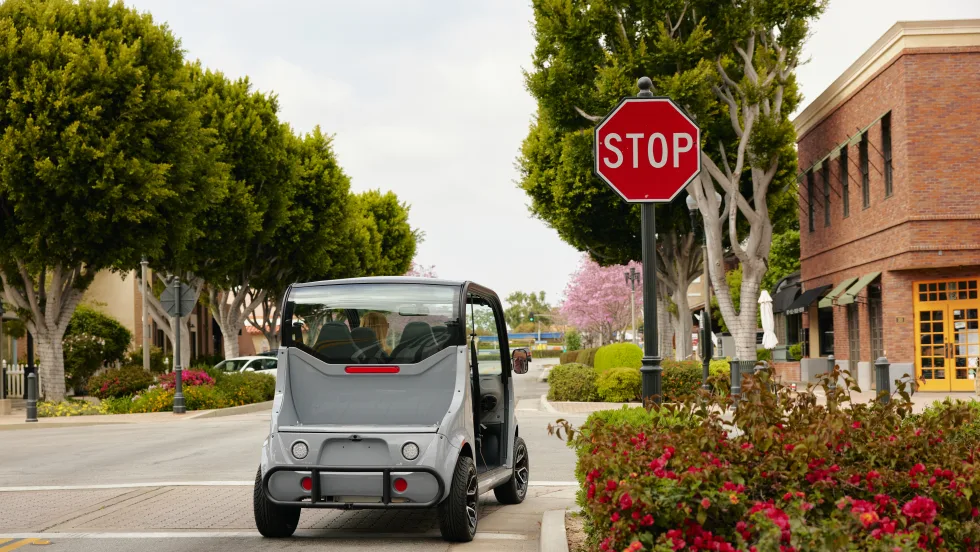
LSVs: The Unexpected EV Government Fleets Need?
A closer look at low-speed vehicles and why organizations may want to consider adding them to their fleets.
Read More →Tire Data I Wish I’d Had as a Fleet Manager
If I had more data on tires, collected several times a day, I may have been able to improve my preventive maintenance program even more. That technology exists now.
Read More →Qualified and Skilled Technicians at Your Shop, On Demand
For fleets facing a technician shortage, a temporary technician at your shop can help reduce vehicle downtime and costs.
Read More →Should You Be Thinking About Bike Shares?
Electric scooters and bikes are starting to show up everywhere. How do you see them affecting your fleet operation?
Read More →Recouping Lost Technician Time
If time is money, what is saving a few hours of your technicians' time worth?
Read More →Vehicle-to-What? — Evolving Vehicle Communication Technologies
Can vehicle collisions be avoided with vehicle-to-infrastructure or vehicle-to-vehicle technology? Several of the major OEMs think so and are spending billions of dollars a year working on the technology.
Read More →Streets of the Future Could Take Automatic Tire Readings
WheelRight allows vehicles to drive through a specialized lane and captures tire pressure readings on all four tires while also providing tire tread depth within a few seconds and printed receipt.
Read More →Improved Communication (There's an App for That)
Slack brings all of your communication together in a way that you can sort. Conversations, PDFs, and documents are all be archived and searchable.
Read More →Booster Fuels: Bringing the Gas Station to You
Booster Fuels brings the gas station to your vehicles for the same price as a gas station. Its team members will fill up vehicles overnight or at a requested time and bill weekly. This could be a solution for fleets with old, expensive fueling infrastructure.
Read More →