




Streets of the Future Could Take Automatic Tire Readings
WheelRight allows vehicles to drive through a specialized lane and captures tire pressure readings on all four tires while also providing tire tread depth within a few seconds and printed receipt.

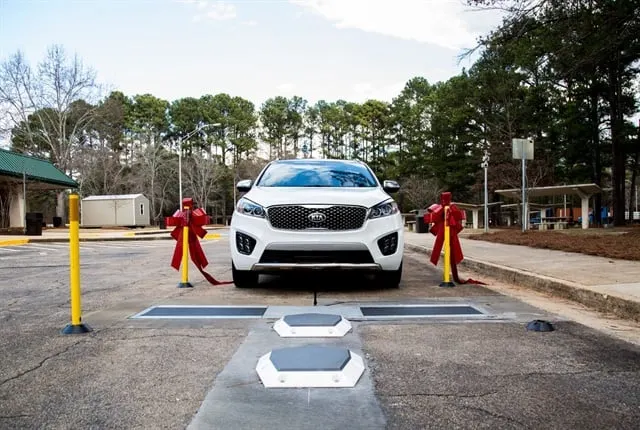
Photo of the WheelRight automatic tire reading system courtesy of The Ray
Last October I had the opportunity to participate in a panel that discussed technologies that will contribute to the development of smart cities. The topics on that panel ranged from connected, self-driving vehicles to smarter highways. A particular project called “The Ray” caught my attention. The Ray is an organization (named after Ray C. Anderson, an environmental pioneer) that is committed to zero waste, zero deaths, and zero carbon on highways.
In Western Georgia, there is an 18-mile stretch of highway now named “The Ray” where new innovative technologies are being tested. The Ray, along with Kia Motors and the Georgia Department of Transportation, installed a system called “WheelRight.” WheelRight is currently is available (and free) to anyone who stops at the West Point Visitor Center at mile marker one. WheelRight allows vehicles to drive through a specialized lane and captures tire pressure readings on all four tires while also providing tire tread depth within a few seconds on a touchscreen monitor and printed receipt.
Most fleet organizations have these three items rank among their highest expenses: personnel, fuel, and tires. While I am not sure how many tire failures are related to underinflation or tread problems (probably a higher correlation among heavier vehicles), I am certain that most tire failures result in more impactful collateral damages such as towing, road-calls, accidents, and worst of all, injuries or deaths. And it’s not just the failures that will impact you — underinflated tires decrease fuel efficiency, among other things.
Just imagine not having to rely on pre- or post-trip inspections for the condition of your tire tread or tire pressure, assuming departments are actually conducting them. Imagine if you could reduce all of those other, more significant, expenses caused by tire failures that could have been avoided. It seems that this is a promising technology that could help fleet managers and equipment operators do just that.
Keep an eye on The Ray and WheelRight to see how testing progresses.
More Blog Posts
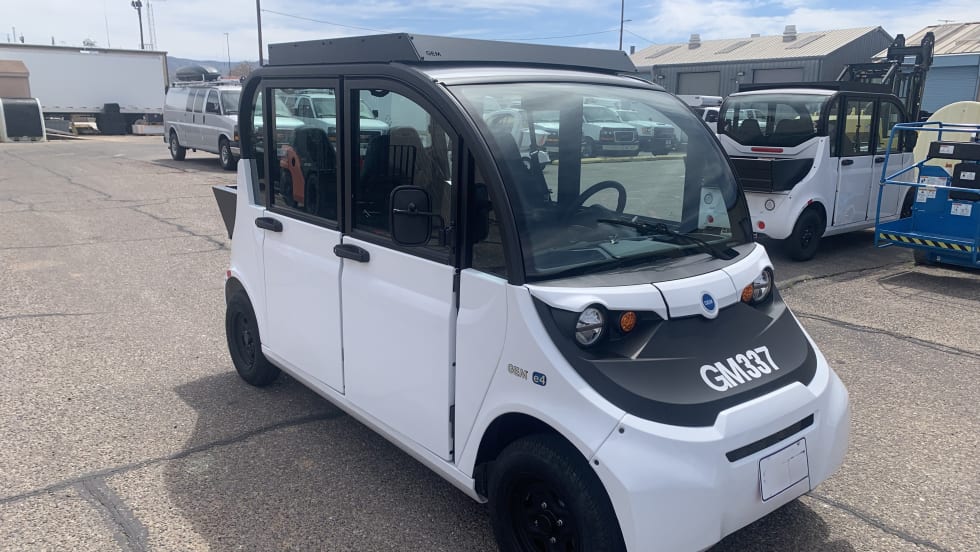
Taking a Solar-Powered Ride with Sandia National Laboratories
A case study of Sandia National Laboratories examines their transition from gas-powered golf carts to alternative transportation options. In 2002, the organization began this process with the acquisition of low-speed electric vehicles.
Read More →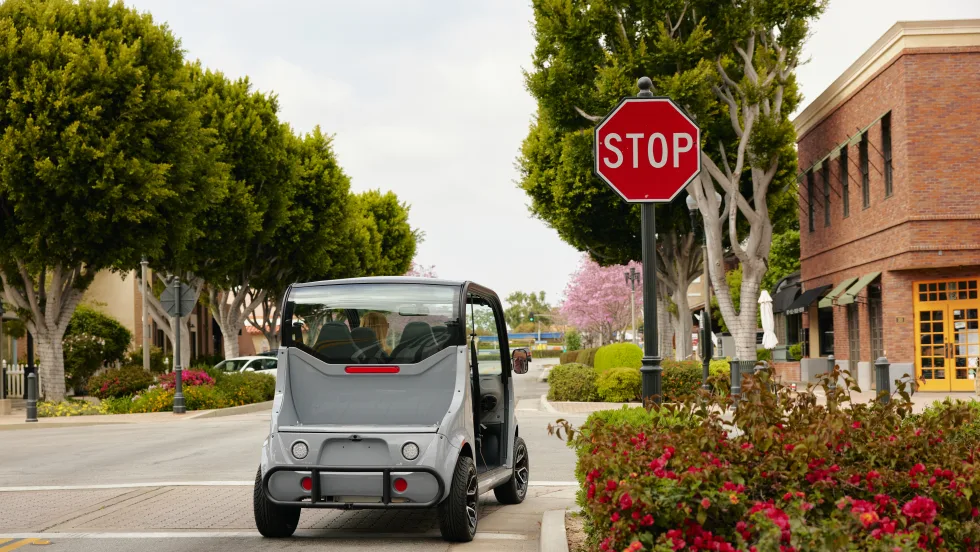
LSVs: The Unexpected EV Government Fleets Need?
A closer look at low-speed vehicles and why organizations may want to consider adding them to their fleets.
Read More →Tire Data I Wish I’d Had as a Fleet Manager
If I had more data on tires, collected several times a day, I may have been able to improve my preventive maintenance program even more. That technology exists now.
Read More →Qualified and Skilled Technicians at Your Shop, On Demand
For fleets facing a technician shortage, a temporary technician at your shop can help reduce vehicle downtime and costs.
Read More →Should You Be Thinking About Bike Shares?
Electric scooters and bikes are starting to show up everywhere. How do you see them affecting your fleet operation?
Read More →Recouping Lost Technician Time
If time is money, what is saving a few hours of your technicians' time worth?
Read More →Vehicle-to-What? — Evolving Vehicle Communication Technologies
Can vehicle collisions be avoided with vehicle-to-infrastructure or vehicle-to-vehicle technology? Several of the major OEMs think so and are spending billions of dollars a year working on the technology.
Read More →Improved Communication (There's an App for That)
Slack brings all of your communication together in a way that you can sort. Conversations, PDFs, and documents are all be archived and searchable.
Read More →Booster Fuels: Bringing the Gas Station to You
Booster Fuels brings the gas station to your vehicles for the same price as a gas station. Its team members will fill up vehicles overnight or at a requested time and bill weekly. This could be a solution for fleets with old, expensive fueling infrastructure.
Read More →Rethinking Utilization: Using the Energy in Parked EVs
Think the return on investment for electric vehicles (EVs) is too long? Vehicle-to-grid technology allows EVs to earn money while parked by utilizing their large batteries to provide energy storage services for buildings, utilities, and the grid. This extra money can reduce the total cost of ownership of EVs.
Read More →