




Improved Communication (There's an App for That)
Slack brings all of your communication together in a way that you can sort. Conversations, PDFs, and documents are all be archived and searchable.


Image courtesy of Slack
Is face-to-face communication a thing of the past as social media, email, and the like continue to take over our lives? I guess that all depends on how you’re using it. One thing you can’t deny is that slowly, but surely, online communication is finding a way into your everyday life. I still very much apreciate in-person conversations, but the reality is, sometimes a quick email or text can do the job just as well, underscoring a change in day-to-day communication.
Having said that, emails, texts, and a social media can become a jumbled mess of conversations across different platforms. We all probably lose quite a bit of time searching for important information across our communication exchanges. What are we to do, and how do we keep track of everything? A popular solution seems to be Slack. The founders of Slack like to think of it as a tool to improve the productivity of organizations and not contribute to a slacker environment.
Getting into a deep dive of what Slack does could get quite lengthy, so I’ll briefly tell you, and then apply a couple of my thoughts directly to fleet management. In a few sentences, Slack brings all of your communication together in a way that you can sort. For example, you can store conversations in public folders, topics shared within your organization; private folders, more sensitive topics shared with specific people; guest accounts, shared with external folks such as contractors; and more. But it’s more than searchable archived conversations, as documents are also archived and searchable, including PDFs, Word documents, and Google Drive documents. It doesn’t stop there, either. Slack offers access to over 1,000 apps and makes that content available if integrated with your account.
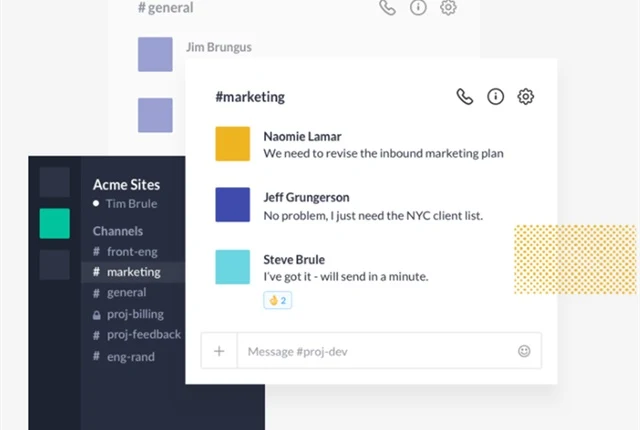
Screencapture courtesy of Facundo Tassara
Here is an example. It’s 25 degrees out, snowing sideways, and your tech is out on a road call because your Human Services Department had an urgent matter to deal with. The car won’t start because it doesn’t recognize the key, and the tech is armed with nothing more that the few basic tools for repair, none of which will work. There is a simple procedure that anyone can do but it is multiple steps, and unless it is done exactly as specified, reprogramming won’t work. The tech remembers there was once a PDF file shared and he has the Slack app on his work-issued on-call phone. Bingo! Open Slack, enter the search and up comes the key relearn procedure shared last year via text message.
The point is quite simple. In order for things to continuously improve, change will always be needed. Often times, fleet managers are very concerned with core issues such as shop operations, budgets, meetings, and other KPIs as they should be. But let us never forget the one key ingredient that bonds all of this together — communication. The only thing that is consistent about communication is that it's forever evolving and I am near certain that improved communication will almost never lead to less productive organizations. Many fleet operations at one point or the other have had a major communication disconnect between the shop and the management; it is never too late to fix that with technology.
More Blog Posts
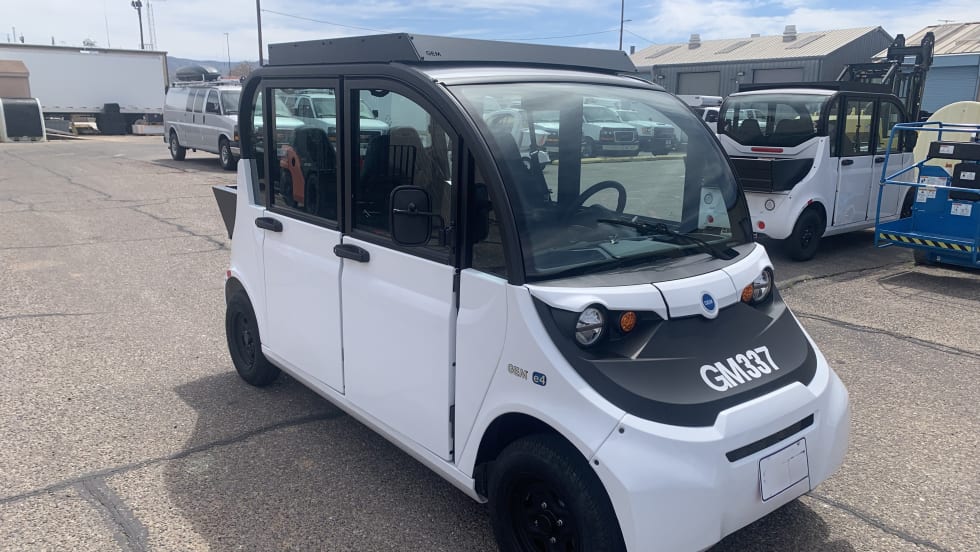
Taking a Solar-Powered Ride with Sandia National Laboratories
A case study of Sandia National Laboratories examines their transition from gas-powered golf carts to alternative transportation options. In 2002, the organization began this process with the acquisition of low-speed electric vehicles.
Read More →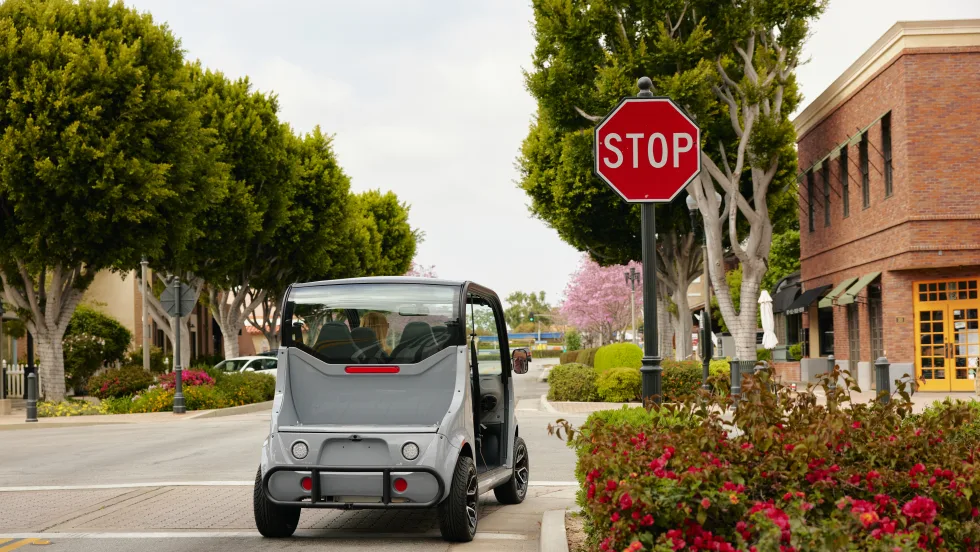
LSVs: The Unexpected EV Government Fleets Need?
A closer look at low-speed vehicles and why organizations may want to consider adding them to their fleets.
Read More →Tire Data I Wish I’d Had as a Fleet Manager
If I had more data on tires, collected several times a day, I may have been able to improve my preventive maintenance program even more. That technology exists now.
Read More →Qualified and Skilled Technicians at Your Shop, On Demand
For fleets facing a technician shortage, a temporary technician at your shop can help reduce vehicle downtime and costs.
Read More →Should You Be Thinking About Bike Shares?
Electric scooters and bikes are starting to show up everywhere. How do you see them affecting your fleet operation?
Read More →Recouping Lost Technician Time
If time is money, what is saving a few hours of your technicians' time worth?
Read More →Vehicle-to-What? — Evolving Vehicle Communication Technologies
Can vehicle collisions be avoided with vehicle-to-infrastructure or vehicle-to-vehicle technology? Several of the major OEMs think so and are spending billions of dollars a year working on the technology.
Read More →Streets of the Future Could Take Automatic Tire Readings
WheelRight allows vehicles to drive through a specialized lane and captures tire pressure readings on all four tires while also providing tire tread depth within a few seconds and printed receipt.
Read More →Booster Fuels: Bringing the Gas Station to You
Booster Fuels brings the gas station to your vehicles for the same price as a gas station. Its team members will fill up vehicles overnight or at a requested time and bill weekly. This could be a solution for fleets with old, expensive fueling infrastructure.
Read More →Rethinking Utilization: Using the Energy in Parked EVs
Think the return on investment for electric vehicles (EVs) is too long? Vehicle-to-grid technology allows EVs to earn money while parked by utilizing their large batteries to provide energy storage services for buildings, utilities, and the grid. This extra money can reduce the total cost of ownership of EVs.
Read More →