




How Is Improving Mobility Affecting Fleets?
There are growing pains with transitioning to new forms of transportation, but for users, expanding mobility options have been a positive development.


Can you imagine your Public Works director zipping around to her next meeting on an electric scooter? What about a university president hopping on an autonomous shuttle that loops around campus?
Government employees have had the opportunity to drive personal cars, assigned fleet cars, motor pool cars, and rental cars. Now, they can arrange a ride through a phone app. Soon, there may be no human driver at all, as autonomous vehicle technology matures and is incorporated into our transportation system.
How will this affect fleets?
Adjusting to New Methods of Transportation
There are growing pains with transitioning to new forms of transportation, from driver pushback with ride-hailing companies, to dockless bikes and scooters being thrown into lakes, to much-publicized crashes of autonomous vehicles.
But for users, expanding mobility options have been a positive development. For many business travelers, ride hailing has become an invaluable service. Dockless bikes and scooters are being used for short trips in multiple cities.
And while autonomous vehicles won’t be available to most of us for a few more years, their use by government employees could significantly change fleet approaches to transportation, while freeing these employees up during their commute time to prepare for meetings or relax.
Improving Utilization
The current technology that fleet managers are implementing is automated motor pool systems. They’ve talked about better inventory and use tracking, improved utilization by allowing more than one check-out per day, and allowing for fleet reductions.
Pooling heavy and specialized equipment is another option, although it hasn’t taken off quite yet. Because these are work vehicles used for specific tasks, sharing may be harder. But whether between neighboring municipalities or within a statewide agency across multiple departments and locations, resource sharing of specialized equipment is happening among some fleets.
Will There Be Fewer Vehicles?
Despite the technology revolution of the past couple of decades, fleets overall don’t seem to be decreasing in size. However, perhaps government agencies can own fewer passenger vehicles while still offering all employees efficient transportation options by making electric bikes, scooters, and ride-hailing services an option, by having fleet operations automate and better utilize their motor pools, and eventually replacing vehicles with autonomous ones that can be used by multiple people in one day.
How quickly government agencies transition to these new forms of transportation may depend on costs. Some fleets will help drivers determine whether a pool, rental, or personal car is the cheapest option. If autonomous and hailed vehicles are consistently the cheaper options, public agencies may be able to reduce their passenger fleet considerably.
For now, we’re in the beginning stages of these changes. Select city employees in Chandler, Ariz., can hail an autonomous vehicle for work trips, and the National Renewable Energy Laboratory in Golden, Colo., just began an autonomous shuttle program that travels along a pre-programmed loop.
These are test programs, so they don’t replace any current vehicles. But I’m confident we’ll get there. And who knows — perhaps fleet reductions will help alleviate the technician shortage.
How do you view the increased mobility options for fleets?
More Blog Posts
Understanding the Road to Improved Operations
Every fleet has goals, but meaningful progress depends on knowing where the operation stands and continuing forward when the path changes.
Read More →
Navigating the Crossroads of Data and New Technologies
As data volumes increase and emerging technologies advance, where do government fleets stand? Takeaways from Samasara Go Beyond Public Sector 2026.
Read More →
When the Roadblocks Hit, Where is Your Inspiration?
It can be easy to get caught up in the busy day-to-day of fleet, but when the problems pile up, that's when it's time to find the motivation to keep going.
Read More →
Is it Time for Change or Consistency?
Consistency can be good, but there comes a time when you have to step back and ask whether what you’re doing is the best approach.
Read More →
Blink and You’ll Miss It: Fleet Reflections from 2025
A note as we leave behind 2025 and plan for new ventures heading into 2026.
Read More →
It’s Far Worse Than a Technician Shortage…
A letter to government fleet leaders on the technician gap and how to rebuild the pipeline that keeps public services running.
Read More →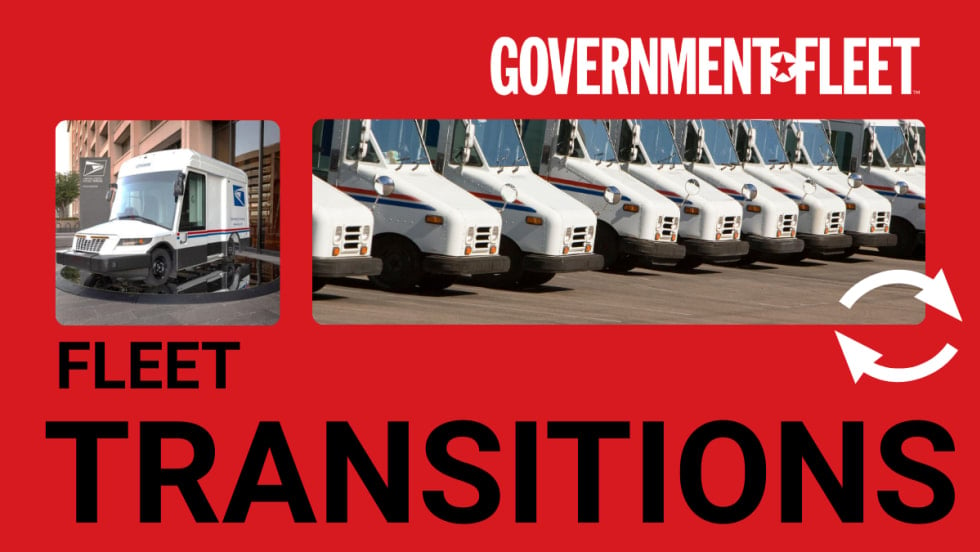
Public Perception of Your Fleet Changes
How fleet transitions shape public perception and how a well-managed rollout can influence your fleet's narrative.
Read More →
The Balancing Act: Stability vs. Shifting Leadership Priorities
With the revolving door of government leadership bringing new priorities fleets are expected to pivot, even if those pivots undermine long-term planning.
Read More →
How Technology is Driving Upgrades in the City of Columbus Fleet Operations
How the city of Columbus fleet has embraced change as a strategic driver, using technology to revolutionize how the fleet fuels, tracks, and measures performance across a 260-square-mile service area.
Read More →
At the End of the Day, Be Good to Yourself
When the stresses of your work life become too much, don't forget to prioritize yourself and find balance in each day.
Read More →