




Similar Content: Building Relationships with Tech Colleges to Reduce Talent Shortages
Concerns About EV Impact on Older Techs and A Drastic Change in KPIs
Two fleet managers share their thoughts on recent Government Fleet articles on the impact of electric vehicles (EVs) on older technicians, and on the impact of delivery delays on local government fleets.
March 1, 2022
3 min to read
EVs Will Push Out Older Techs

Doug Adams
I read the news story “GM Conducts Electric Vehicle Training for NYC Mechanics” and wanted to comment.
I remember as a technician (mostly at GM dealerships) when fuel injection was relatively new, and that technology pushed out a certain segment of the technician pool. I also remember the same thing happening when OBD-II was made mandatory in 1996; this affected a larger group of aging technicians who could not or would not assimilate to the new way of automotive diagnostic and repairs. The difference is that those two examples were relatively benign shifts in automotive technology.
The EV push is a massive departure from the known. I will admit, as a long-time certified master technician with the utmost confidence in what I do, the idea of transition from internal combustion engines to electric vehicle maintenance and repair strategies scares me. I feel this will push out the largest group of technicians we have ever seen.
Doug Adams
Superintendent, Fleet Services, City of Nampa, Idaho
A Drastic Change in KPIs
The editorial “How Are Delivery Delays Affecting Your Data?” ended with an interesting yet informative question. Have your benchmarks been affected, and what are you doing now that you can no longer meet them?

Kelly Reagan
Short answer — yes! After we calculated our key performance indicators from last year and prior years, our downtimes have increased by two whole days on average from prior-year 2020. This is huge! This increase reduces fleet availability, increases end-user frustration, and ties up much-needed bays because repairs need to be made before the vehicle can be moved. It is causing a logjam on the floor, and we continue to look for ways to mitigate this. We have increased inventory by 35% year over year. We, too, have resorted to eBay, Amazon, and other unorthodox parts searches to find much-needed replacement parts.
We have informed all our customers again and again about the parts delays and are often in constant communication with all our user agencies.
These delays also cause significant overtime for our technicians. When a glut of parts arrives, we work feverishly, keeping staff on the floor to make repairs, all in an effort to get the units out the door.
We manage controlled chaos when we can’t rely on our normal suppliers for contracted parts turnaround times. Contract requirements sort of go out the window and we spend a great deal of time in the Parts Department tracking much-needed parts.
Thank you for bringing this issue to light as we work toward normalcy in the coming 12 to 24 months. Keep the faith — this too shall pass!
Kelly Reagan
Fleet Administrator, City of Columbus, Ohio
Subscribe to Our Newsletter
More Blog Posts
Now What Should We Do? Looking Beyond the Pinpoint Test
When a pinpoint test leads to a replacement that doesn’t fix the problem, technicians need to look beyond the instructions.
Read More →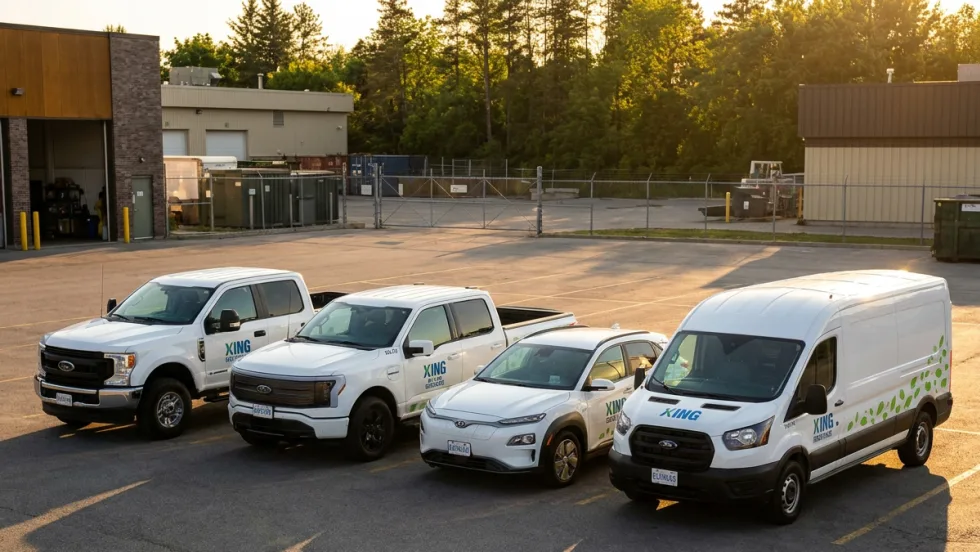
The Missing Link in Fleet Safety: Turning Data into Behaviour Change
Every municipal vehicle tells residents something about how their fleet is being managed. For King Township, Ontario, that visibility made speeding more than a driver performance issue.
Read More →
Flavor of the Decade: The End
As automakers pivot toward hybrids and extended-range models, the costly slowdown in battery-electric vehicle adoption raises questions about what comes next for the Big Three and government fleets.
Read More →
Why Technician Development Is a Retention Strategy
Clear development opportunities can help fleets show technicians how their skills and careers may progress within the organization.
Read More →
Building a Cross-Department Fleet Data Standard: What to Agree on First
As municipalities expand their use of fleet technology, the challenge is less about collecting data and more about making that data usable.
Read More →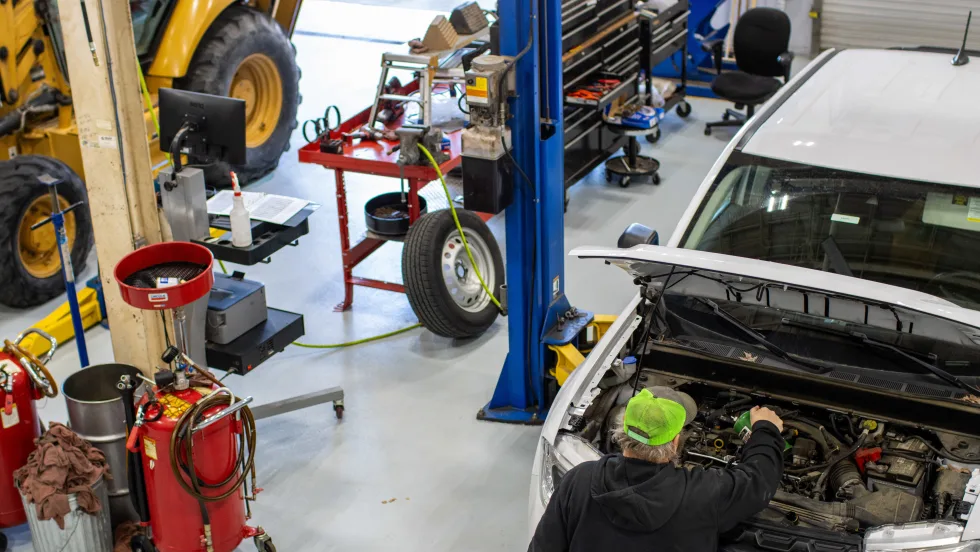
7 Tips for Smarter Fleet Management
The potential to manage your fleet effectively while ensuring the safety of both employees and the community can often go untapped, but there are certain habits you can adopt to get to that point.
Read More →
Why Now Is the Time to Return to Government Fleet Expo
For fleet professionals who haven't attended GFX in a while, this year's event provides more than just education sessions and networking opportunities. From emerging leaders and innovative fleet strategies to industry recognition and peer-to-peer discussions, GFX 2026 reflects the changing landscape of public fleet operations.
Read More →
What to Expect at GFX
The Government Fleet Expo & Conference can be overwhelming in the best way possible. Whether you’re a first-time attendee or a returning fleet professional, these practical tips will help you plan ahead, stay energized, maximize networking opportunities, and make the most of every moment at GFX 2026 in Long Beach.
Read More →
How to Get the Most From an Industry Conference
A new strategy in how to present conference attendance justification for you and even for your staff and how you and they can benefit and even thrive in the conference environment.
Read More →
How Electric Vehicles as a Service Could Reshape Public Fleets
How the EV model can address concerns about meeting state mandates, cost, emissions and range anxiety.
Read More →