




Keep Reading: Public Fleet Preparedness: Building the Right Response Before Disaster Strikes
Building Resilience: Disaster Preparation for Fleet Insurance Planning
From safeguarding vehicles to maintaining service and managing insurance claims, each phase of disaster response demands thorough planning and coordination.
by Gavin Mills
June 17, 2025
From safeguarding vehicles to maintaining service and managing insurance claims, each phase of disaster response demands thorough planning and coordination.
Photo: This utilizes an AI-generated image. Refer to our Terms of Use.
2 min to read
Whether it's hurricanes, floods, or wildfires, extreme weather events continue to test the resilience of fleet operations. From safeguarding vehicles to maintaining service and managing insurance claims, each phase of disaster response demands thorough planning and coordination.
Gavin Mills, director of ProMetrix Solutions at Verisk, shared his perspective on the most pressing risks and how fleets can better prepare through strategic insurance planning and data management.
Disaster-Related Risks and Their Influence on Insurance Planning
The primary natural disaster-related risks facing fleets today include:
Flooding, which damages vehicles, disrupts routes, and creates dangerous driving conditions.
Hurricanes/named storms cause widespread infrastructure damage and can destroy parked vehicles.
Wildfire poses a risk to drivers and vehicles and can block key routes.
Pre-Disaster Steps to Simplify the Claims Process and Strengthen Fleet Recovery
Keeping an up-to-date vehicle/ unit list with the insurer is key. Additional steps that can be taken include having a robust assessment and reporting plan to ensure timely notice of loss with as much detail as possible to assist in the investigation and adjustment of claims.
Documentation or Data to Support Post-Disaster Insurance Claims
Routinely updating the insurer to make sure that they are aware of all current units that would be insured under the policy is important, even if the policy allows for a period of time before reporting new vehicles. If dashcams or security footage are available, this can also support and streamline the claims process, providing proofs of damage related to the cause of loss.
Risk Mitigation Measures and Reducing Premiums, Securing Better Terms
Fleet programs have been commonplace for a number of years to mitigate the risk of loss associated with theft, in addition to drug/ alcohol testing programs for drivers. From a disaster planning perspective, fleet continuity must be considered, including evacuation, if necessary, alternate dispatch routes, and proactive relocation of vehicles.
Redundancies are also necessary for communication tools and fueling/ charging of vehicles if infrastructure is significantly damaged.
Lessons That Have Emerged from Disaster-Related Claims
Key lessons learned involve improved preparedness- as mentioned above, continuity planning is essential, fleet data storage and recovery redundancies are necessary, and making sure strategic partners also have acceptable disaster plans in place can help mitigate the impact of losses and aid in recovery.
Subscribe to Our Newsletter
More Blog Posts
Now What Should We Do? Looking Beyond the Pinpoint Test
When a pinpoint test leads to a replacement that doesn’t fix the problem, technicians need to look beyond the instructions.
Read More →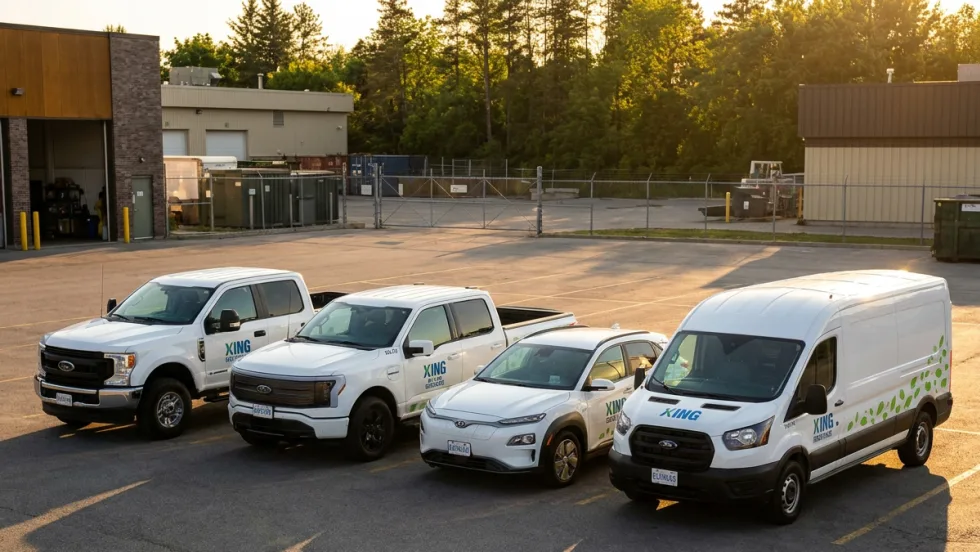
The Missing Link in Fleet Safety: Turning Data into Behaviour Change
Every municipal vehicle tells residents something about how their fleet is being managed. For King Township, Ontario, that visibility made speeding more than a driver performance issue.
Read More →
Flavor of the Decade: The End
As automakers pivot toward hybrids and extended-range models, the costly slowdown in battery-electric vehicle adoption raises questions about what comes next for the Big Three and government fleets.
Read More →
Why Technician Development Is a Retention Strategy
Clear development opportunities can help fleets show technicians how their skills and careers may progress within the organization.
Read More →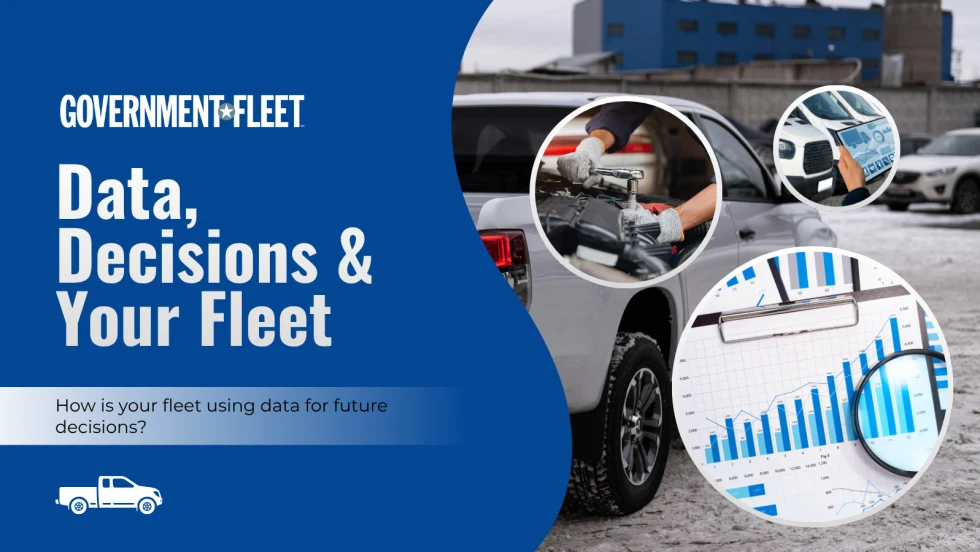
Building a Cross-Department Fleet Data Standard: What to Agree on First
As municipalities expand their use of fleet technology, the challenge is less about collecting data and more about making that data usable.
Read More →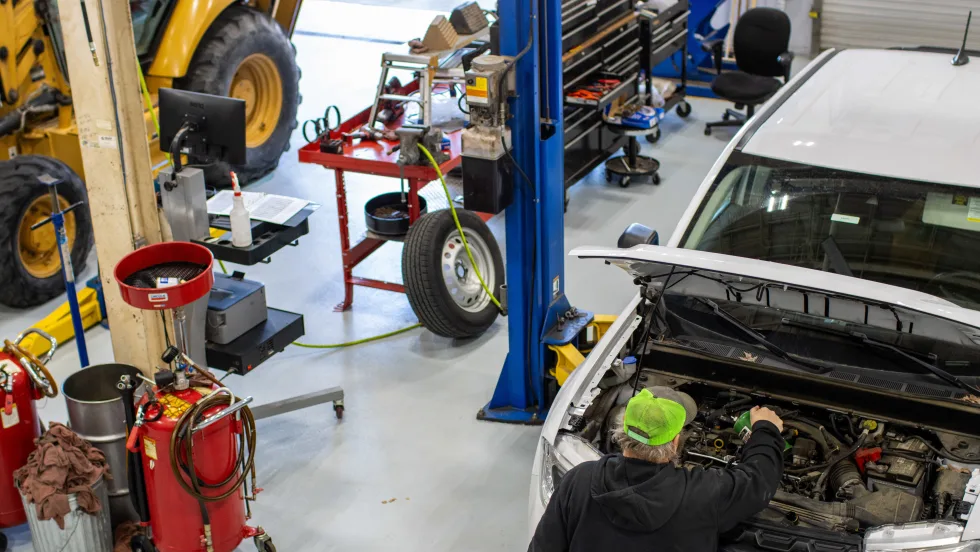
7 Tips for Smarter Fleet Management
The potential to manage your fleet effectively while ensuring the safety of both employees and the community can often go untapped, but there are certain habits you can adopt to get to that point.
Read More →
Why Now Is the Time to Return to Government Fleet Expo
For fleet professionals who haven't attended GFX in a while, this year's event provides more than just education sessions and networking opportunities. From emerging leaders and innovative fleet strategies to industry recognition and peer-to-peer discussions, GFX 2026 reflects the changing landscape of public fleet operations.
Read More →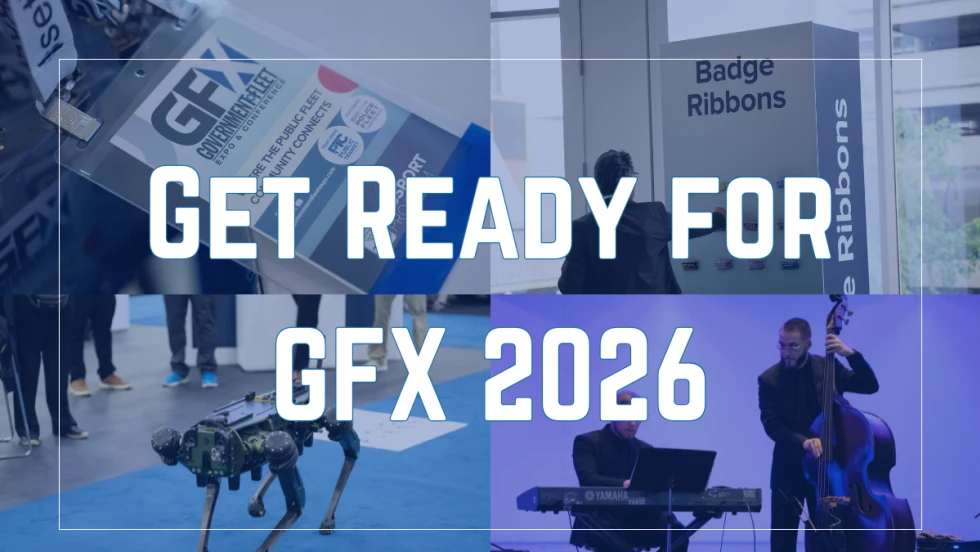
What to Expect at GFX
The Government Fleet Expo & Conference can be overwhelming in the best way possible. Whether you’re a first-time attendee or a returning fleet professional, these practical tips will help you plan ahead, stay energized, maximize networking opportunities, and make the most of every moment at GFX 2026 in Long Beach.
Read More →
How to Get the Most From an Industry Conference
A new strategy in how to present conference attendance justification for you and even for your staff and how you and they can benefit and even thrive in the conference environment.
Read More →
How Electric Vehicles as a Service Could Reshape Public Fleets
How the EV model can address concerns about meeting state mandates, cost, emissions and range anxiety.
Read More →