





Michael Travars is the president of LifeSafer, a vehicle safety technology company. Michael has been a technology leader for three decades, with over a decade in fleet and vehicle safety. LifeSafer's mission is to help make communities safer with advanced solutions that empower drivers to make smarter, safer decisions on the road. This article was authored and edited according to Government Fleet editorial standards and style. Opinions expressed may not reflect that of GF.
Active Intelligent Speed Assistance: From Passive Monitoring to Proactive Prevention
With more than 60 communities committed to Vision Zero initiatives, speed management remains a top priority for federal and municipal fleet managers.
July 11, 2025
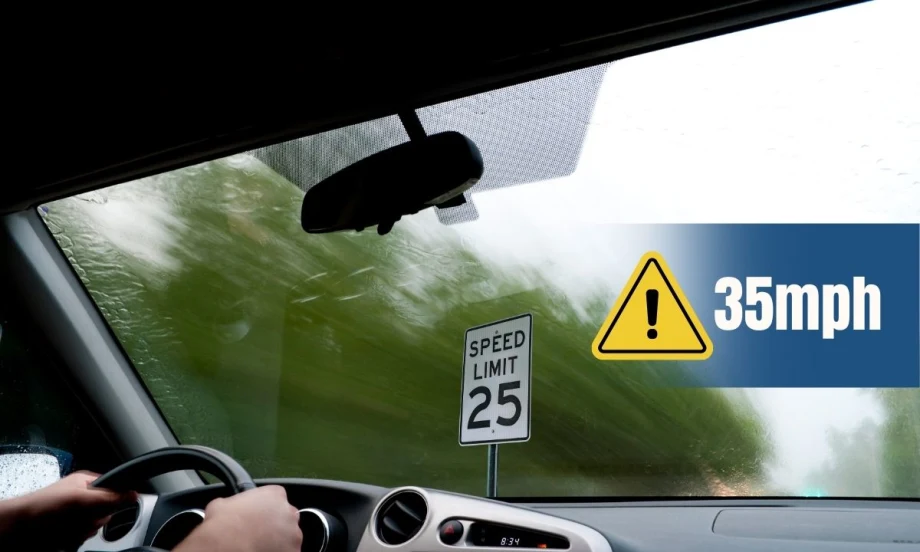
ISA can help reduce aggressive braking and speeding without interfering with scheduled routes.
Photo: Government Fleet
4 min to read
A recent New York City municipal fleet Intelligent Speed Assistance pilot delivered compelling evidence that new forms of speed management technology can dramatically improve fleet safety.
After equipping 500 city vehicles with Intelligent Speed Assistance (ISA) systems, speeding incidents dropped by more than 60% over 2.9 million miles driven. This wasn't just a minor improvement; it was a dramatic shift from reactive monitoring to proactive prevention. Other large-scale ISA pilots saw similar improvements.
Fleet managers across the country already know that speeding remains one of the most persistent and preventable risks to public safety on U.S. roads. According to the National Highway Traffic Safety Administration and the National Safety Council, speeding is a contributing factor in nearly 30% of all fatal road crashes.
With more than 60 communities committed to Vision Zero initiatives, speed management remains a top priority for federal and municipal fleet managers, and for good reason. Lower speeds directly correlate with fewer injuries, reduced fatalities, and lower liability exposure. Beyond these significant safety outcomes, well-managed speeds can improve fuel management and extend vehicle lifecycles, helping agencies operate more efficiently.
The Prevention Challenge with Fleets
Over the years, telematics have transformed the way fleets operate by giving managers visibility into risky driving behaviors and vehicle performance. But the real challenge isn’t just knowing when and which drivers speed, it’s preventing it from happening in the first place. Meeting this challenge requires tools that not only report incidents but also prevent them from happening in the first place.
Smart technologies like Intelligent Speed Assistance represent the next evolution in fleet safety management. ISA works alongside existing telematics, adding a crucial layer of protection: activespeed limiting.
What to Know About Active Intelligent Speed Assistance
Active ISA goes beyond passive speed management systems by using GPS and location data to not only identify the current speed limit but also automatically prevent the vehicle from exceeding it. Active ISA also has comprehensive route tracking capabilities and can flag dangerous driving behaviors like harsh braking, rapid acceleration, and prolonged operation at maximum speeds.
The system is adaptable and customizable to fit specific fleet needs. The technology can be configured to allow for a speed buffer (e.g. 5 - 10 miles over the posted limit) and can easily be overridden in emergency situations.
Without intrusive warnings like buzzing and flashing lights, active ISA quietly manages speed in the background. By reducing the need for constant speed monitoring, drivers can concentrate fully on road conditions and potential hazards, leading to safer driving practices overall.
Miltina Hunter, a D.C. school bus driver, described her experience with active ISA: “I love it. It's a big weight off my shoulders. I don't have to worry about accidents, tickets, or anything. But more than anything, I love the safety part of it.”
Real-World Applications Across Fleet Types
ISA is compatible with nearly every vehicle on the road today, making this critical safety feature accessible to a wide range of drivers and fleet operations.
Public Safety Vehicles: Law enforcement agencies can benefit from additional security features, including the ability to remotely activate speed limiting if a vehicle is stolen. Emergency vehicles that are held to posted speed limits during non-emergency situations can automatically remove speed controls while sirens and lights are active.
Transit Operations:ISA can help reduce aggressive braking and speeding without interfering with scheduled routes. The technology can reduce passenger complaints while improving schedule reliability and fuel efficiency.
Administrative and Governmental Services: ISA’s smart speed controls can support all types of municipal-owned fleets, which rely on drivers to carefully and consistently follow local limits as they provide vital services to their communities.
Are There Benefits Beyond Safety?
While safety is the primary goal, ISA can also deliver long-term operational benefits and measurable cost savings. Improved speed control often results in more consistent fuel use, less strain on engines and brakes, and reduced wear on tires and suspensions.
Maintaining steady speeds can reduce fuel consumption by approximately 15% to 30% at highway speeds and 10% to 40% in stop-and-go traffic. And because ISA ensures compliance with speed limits and other regulations, fleet managers also avoid fines and associated penalties.
For electric vehicles, ISA can help maximize driving range and preserve vehicle batteries. By maintaining constant speeds, ISA minimizes battery drain, preserving their charge and reducing battery cycling, leading to a more reliable and cost-effective electric vehicle fleet.
These operational gains matter. For public-sector fleets managing tight budgets and long procurement cycles, even modest improvements in fuel economy and maintenance costs can free up resources for other priorities.
Subscribe to Our Newsletter
More Blog Posts

Now What Should We Do? Looking Beyond the Pinpoint Test
When a pinpoint test leads to a replacement that doesn’t fix the problem, technicians need to look beyond the instructions.
Read More →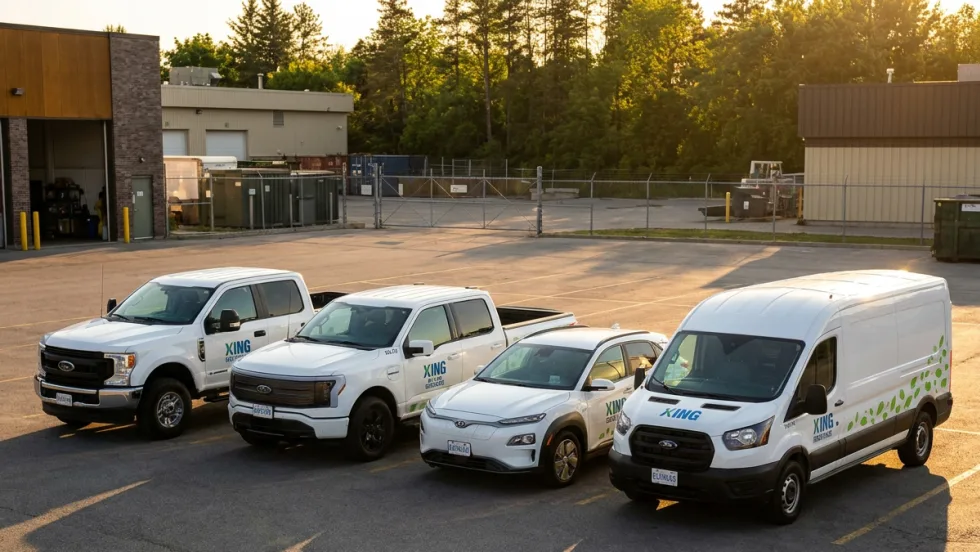
The Missing Link in Fleet Safety: Turning Data into Behaviour Change
Every municipal vehicle tells residents something about how their fleet is being managed. For King Township, Ontario, that visibility made speeding more than a driver performance issue.
Read More →
Flavor of the Decade: The End
As automakers pivot toward hybrids and extended-range models, the costly slowdown in battery-electric vehicle adoption raises questions about what comes next for the Big Three and government fleets.
Read More →
Why Technician Development Is a Retention Strategy
Clear development opportunities can help fleets show technicians how their skills and careers may progress within the organization.
Read More →
Building a Cross-Department Fleet Data Standard: What to Agree on First
As municipalities expand their use of fleet technology, the challenge is less about collecting data and more about making that data usable.
Read More →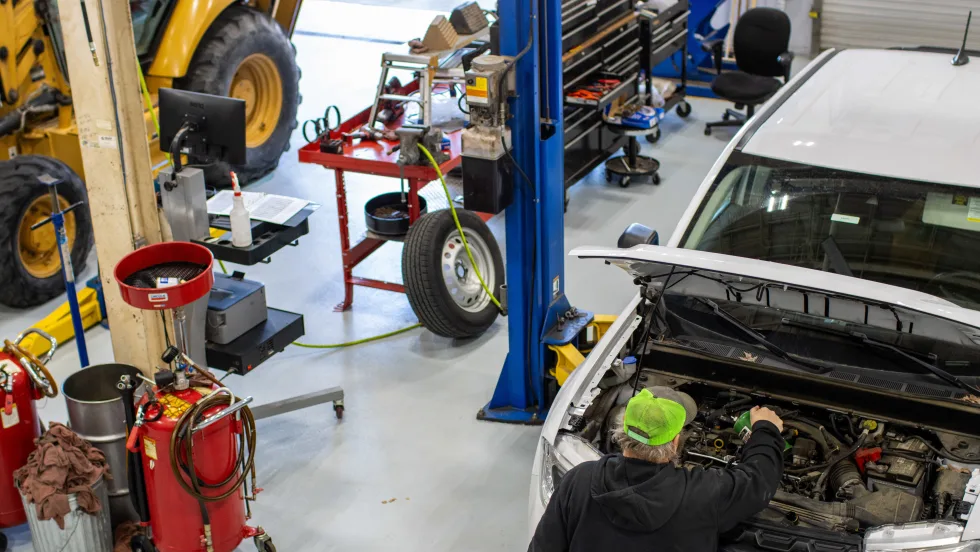
7 Tips for Smarter Fleet Management
The potential to manage your fleet effectively while ensuring the safety of both employees and the community can often go untapped, but there are certain habits you can adopt to get to that point.
Read More →
Why Now Is the Time to Return to Government Fleet Expo
For fleet professionals who haven't attended GFX in a while, this year's event provides more than just education sessions and networking opportunities. From emerging leaders and innovative fleet strategies to industry recognition and peer-to-peer discussions, GFX 2026 reflects the changing landscape of public fleet operations.
Read More →
What to Expect at GFX
The Government Fleet Expo & Conference can be overwhelming in the best way possible. Whether you’re a first-time attendee or a returning fleet professional, these practical tips will help you plan ahead, stay energized, maximize networking opportunities, and make the most of every moment at GFX 2026 in Long Beach.
Read More →
How to Get the Most From an Industry Conference
A new strategy in how to present conference attendance justification for you and even for your staff and how you and they can benefit and even thrive in the conference environment.
Read More →
How Electric Vehicles as a Service Could Reshape Public Fleets
How the EV model can address concerns about meeting state mandates, cost, emissions and range anxiety.
Read More →