




A Voice in the Wilderness?
Fleet managers must continue to be the voice of reason and truth as to the reality on the ground.


Fleet managers must continue to be the voice of reason and truth as to the reality on the ground.
The noise in the trade press about electric and autonomous vehicles is deafening. Anyone new to our industry would think, based on the plethora of this emphasis, that any day now electrically charged, driverless people movers will abound solving all of our environmental, safety, maintenance, and traffic crash “problems” as we all dance into the sunset.
Let’s be real: this alternate reality is many years away, in spite of what we read. Those of us in government fleet likely understand the true reality of this very distant future better than any other government functionary, especially and including elected officials. The clarion calls we’ve weathered to date for hybrids and alternate fuel adoptions such as ethanol, bio-diesel, CNG, propane – auto gas, etc., all have had their “15 minutes of fame” in many of our fleets while gasoline and diesel fuel continue as the predominant power of choice for efficiency, cost, availability, and general acceptance reasons. That fact will not change in the foreseeable future, especially for governments.
Is there anyone in the government space who truly feels a dump truck can operate autonomously on a paving site or deliver material precisely onto an unpaved road in front of a motor grader? Or a fire truck, ambulance, bucket truck, refuse truck, or a street sweeper? Yes, these vehicles may someday be electrified. It will be interesting to watch the current electric refuse truck tests underway in a few cities. Will the electrical system hold up during the summer and winter and deliver 150 plus lifts and several compaction cycles each day? I’m optimistic, but convinced that without significant infrastructure enhancements, these trucks will continue to require operators, and yes, maintenance technicians.
Unfortunately for all of us, the term statesmanship has passed from fashion in our political discourse and been replaced by blatant self-interest fueled and supported by the exploitation of social media to manipulate the truth. This unfortunate reality places the burden of truth regarding the future of government fleet reality squarely on the fleet manager.
It’s up to the fleet manager to stay well informed enough on the current and future states of play in vehicle technology to avoid being swayed and/or influenced by the whims of political “relevance” or the desires of citizens who consider themselves experts because they, too, own a vehicle. The fleet manager must continue to be the voice of reason and truth as to the reality on the ground.
Fortunately, even though what we read and hear from media sources today must be considered with a growing degree of skepticism, the high value of truth remains unchanged. Fleet managers must stand for the reality that exists and resist what may be growing calls for the adoption of new, expensive, untested, yet seemingly politically correct technology in order to protect the taxpayers from themselves.
It will be a lonely and difficult position; one fleet managers have routinely taken for a very long time.
- Bob Stanton, Stanton Consultants, Cumming, Ga.
More Blog Posts
Now What Should We Do? Looking Beyond the Pinpoint Test
When a pinpoint test leads to a replacement that doesn’t fix the problem, technicians need to look beyond the instructions.
Read More →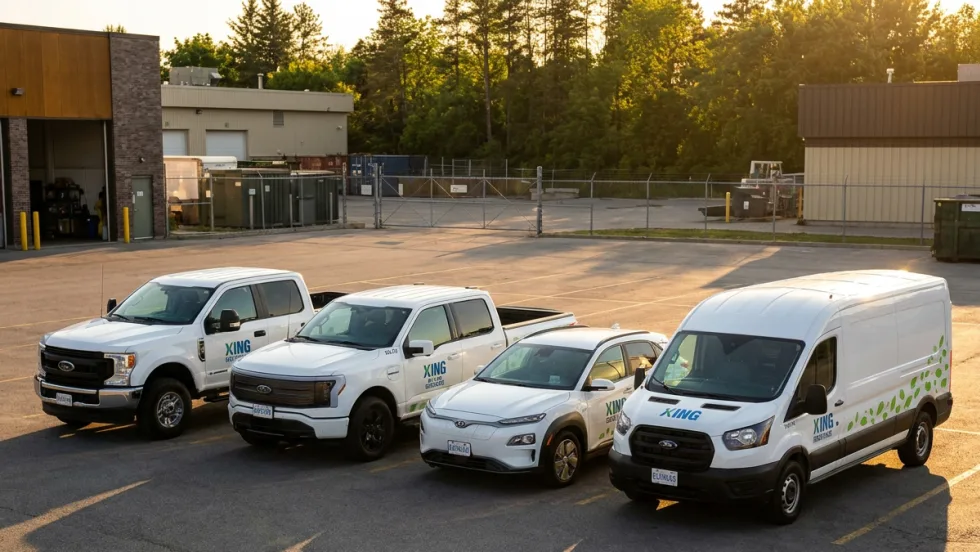
The Missing Link in Fleet Safety: Turning Data into Behaviour Change
Every municipal vehicle tells residents something about how their fleet is being managed. For King Township, Ontario, that visibility made speeding more than a driver performance issue.
Read More →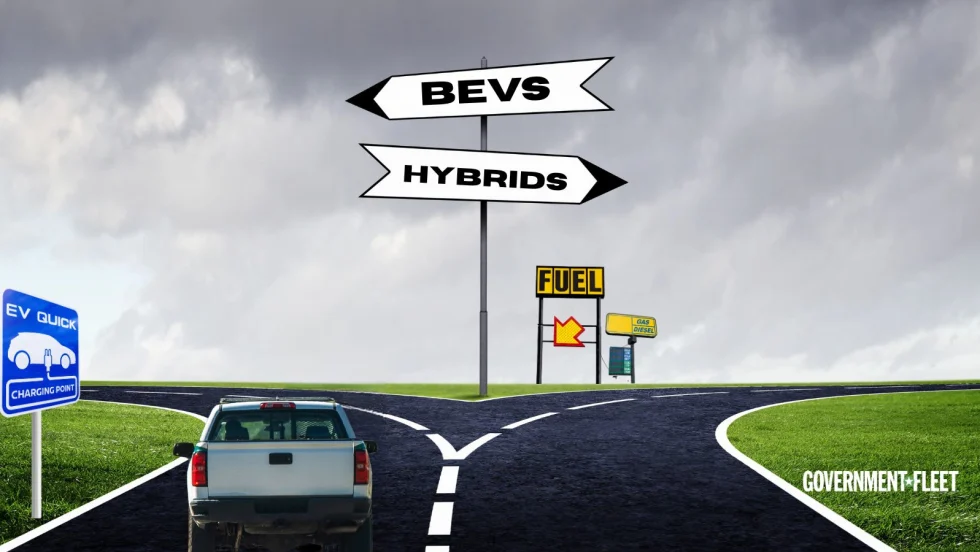
Flavor of the Decade: The End
As automakers pivot toward hybrids and extended-range models, the costly slowdown in battery-electric vehicle adoption raises questions about what comes next for the Big Three and government fleets.
Read More →
Why Technician Development Is a Retention Strategy
Clear development opportunities can help fleets show technicians how their skills and careers may progress within the organization.
Read More →
Building a Cross-Department Fleet Data Standard: What to Agree on First
As municipalities expand their use of fleet technology, the challenge is less about collecting data and more about making that data usable.
Read More →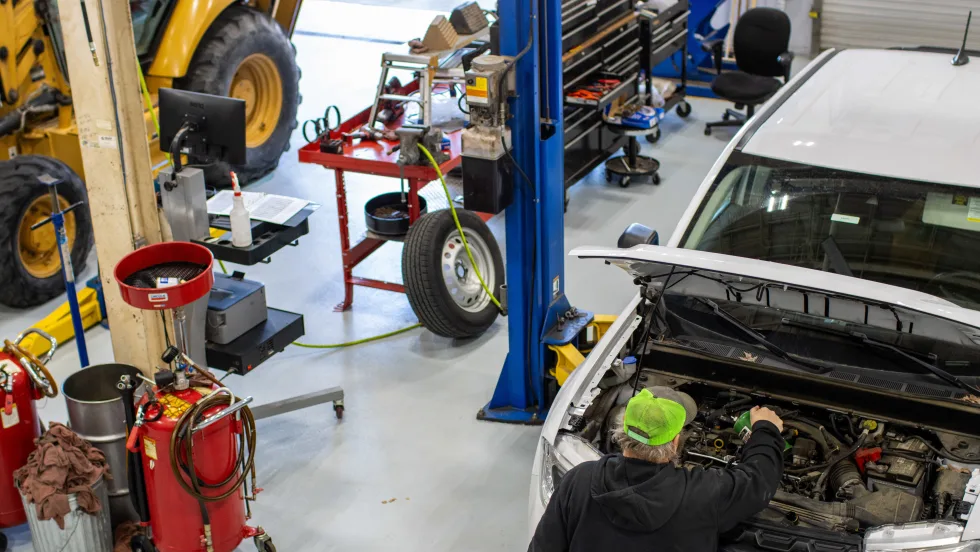
7 Tips for Smarter Fleet Management
The potential to manage your fleet effectively while ensuring the safety of both employees and the community can often go untapped, but there are certain habits you can adopt to get to that point.
Read More →
Why Now Is the Time to Return to Government Fleet Expo
For fleet professionals who haven't attended GFX in a while, this year's event provides more than just education sessions and networking opportunities. From emerging leaders and innovative fleet strategies to industry recognition and peer-to-peer discussions, GFX 2026 reflects the changing landscape of public fleet operations.
Read More →
What to Expect at GFX
The Government Fleet Expo & Conference can be overwhelming in the best way possible. Whether you’re a first-time attendee or a returning fleet professional, these practical tips will help you plan ahead, stay energized, maximize networking opportunities, and make the most of every moment at GFX 2026 in Long Beach.
Read More →
How to Get the Most From an Industry Conference
A new strategy in how to present conference attendance justification for you and even for your staff and how you and they can benefit and even thrive in the conference environment.
Read More →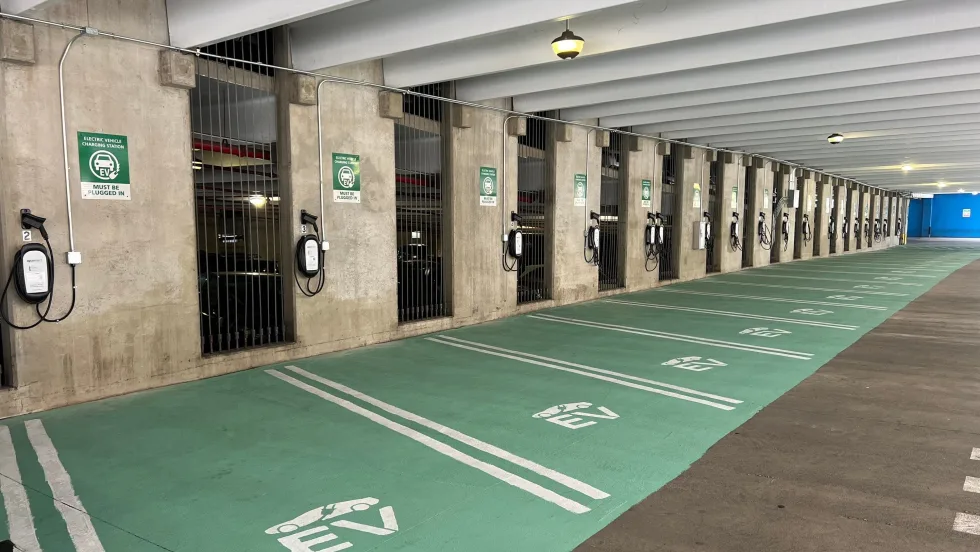
How Electric Vehicles as a Service Could Reshape Public Fleets
How the EV model can address concerns about meeting state mandates, cost, emissions and range anxiety.
Read More →