


 MENU
MENU SEARCHMENUSEARCH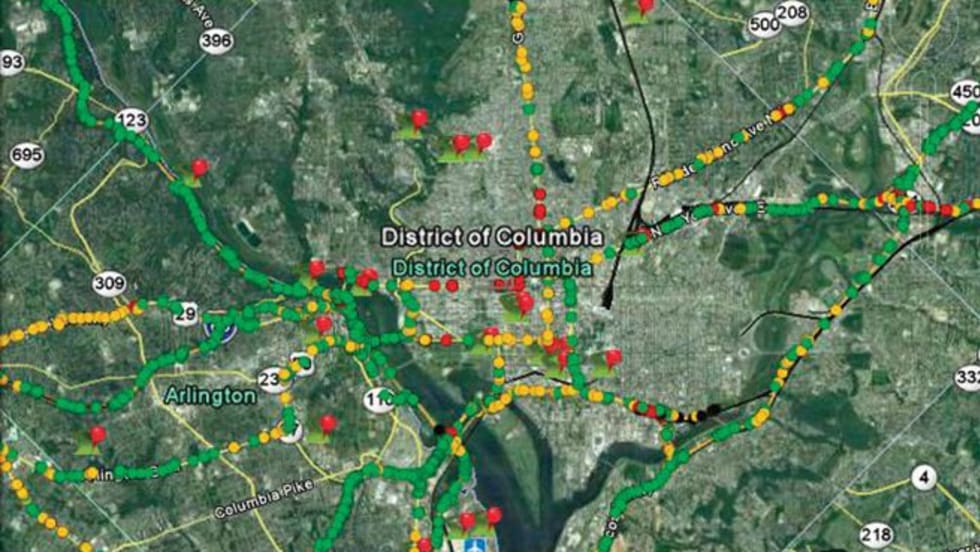
For nearly two years, the Washington D.C. Fire and Emergency Medical Services Department has used a Google-centric program to become more efficient, and even boost response time.
Read More →
Government Fleet announced 14 public sector fleet leaders as the recipients of this year’s 2010 Environmental Leadership Awards at the Green Fleet Conference in October.
Read More →
Safeguarding maintenance and garage facilities against work-related injuries involves securing management commitment, increasing safety awareness among staff members, and establishing a certified in-house safety committee.
Read More →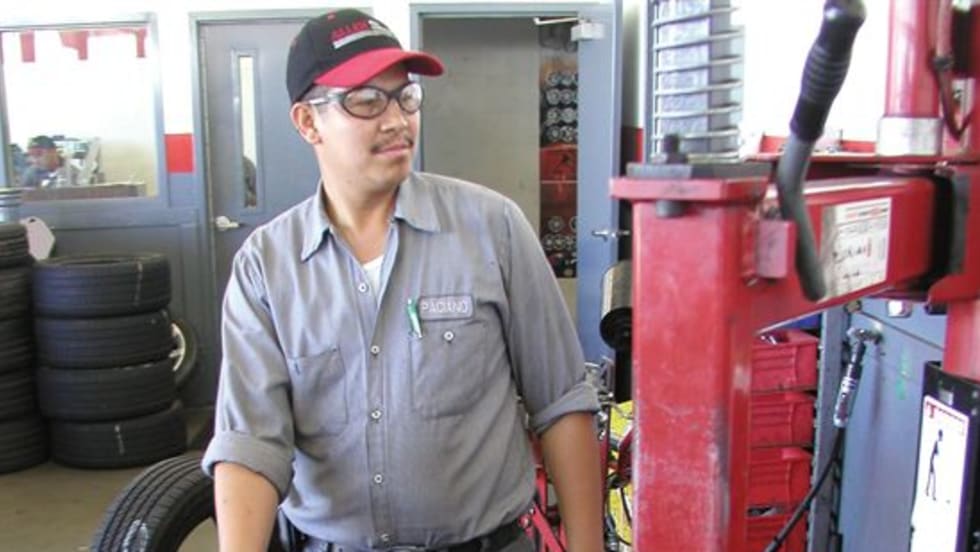
A veteran fleet manager and his team of experts identify several common fleet management myths that may be costing your fleet.
Read More →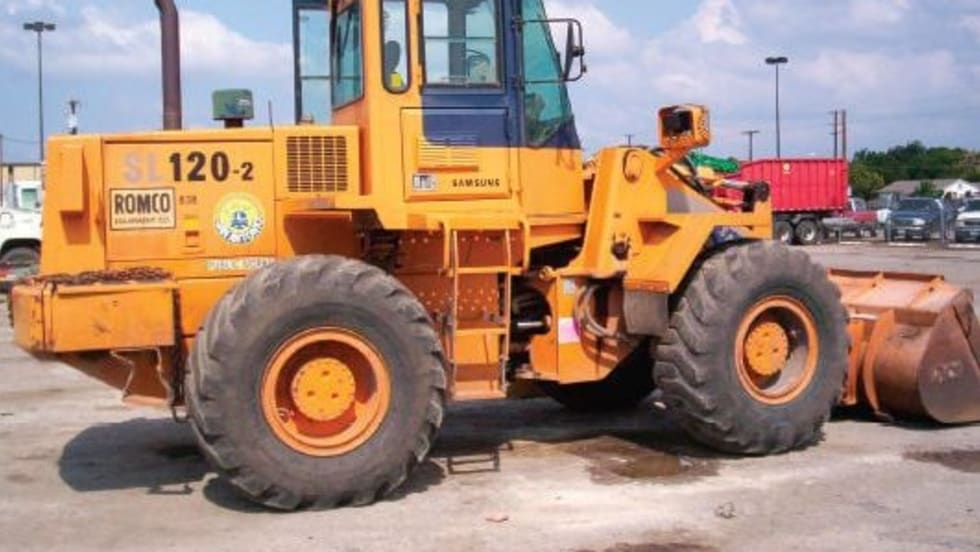
Fleet professionals from three public agencies discuss best practices for maintaining loaders and backhoes, used for numerous projects that range from waste disposal to beach upkeep to road maintenance.
Read More →
Budget is the No.1 challenge facing government fleets. Everything a fleet does revolves around money — equipment, facilities, staff, vehicles, parts, tools, fuel, etc. Other challenges include extended cycling, resources to maintain aging assets, and staff burn-out.
Read More →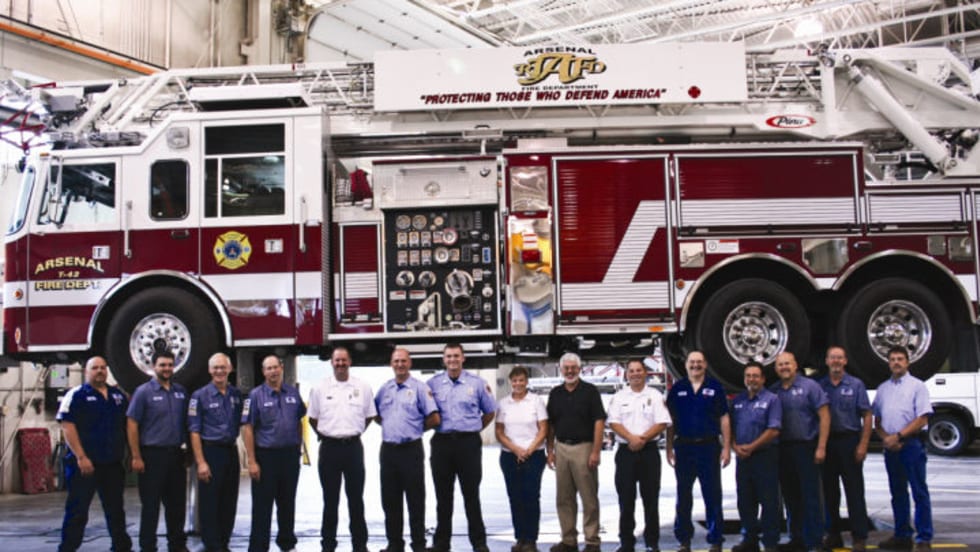
The City of Moline, Ill., demonstrates the benefits of insourcing by providing maintenance services for its neighbor, the Rock Island Arsenal. The partnership has proven successful for both the city and federal fleets.
Read More →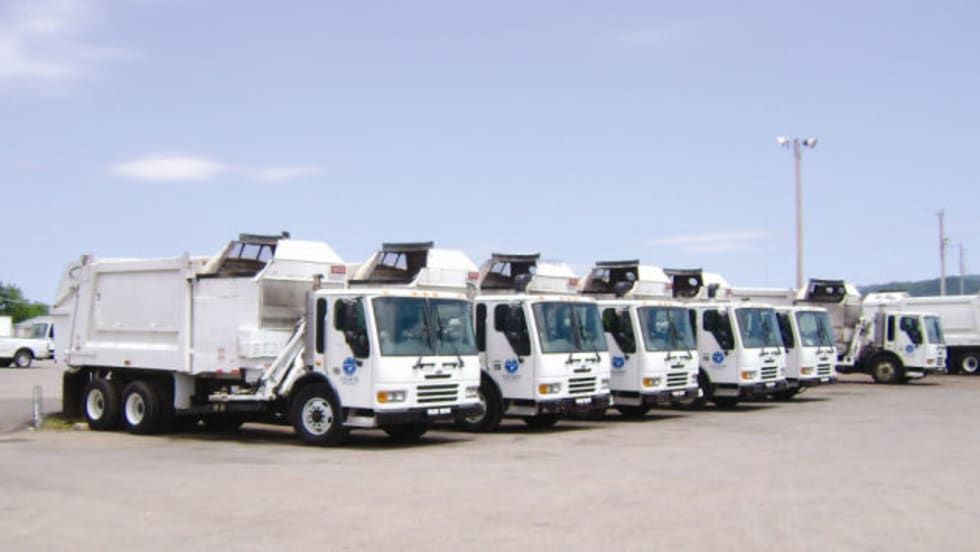
Trash trucks require special maintenance. Multiple moving parts and typical start-and-stop operations present the biggest concerns. Automated lubrication systems and particular care of brakes and tires help mitigate the issues.
Read More →
With a record number of attendees and exhibitors, the 2010 Government Fleet Expo & Conference (GFX) brought together some of the greatest fleet minds from the public sector during the three-day event.
Read More →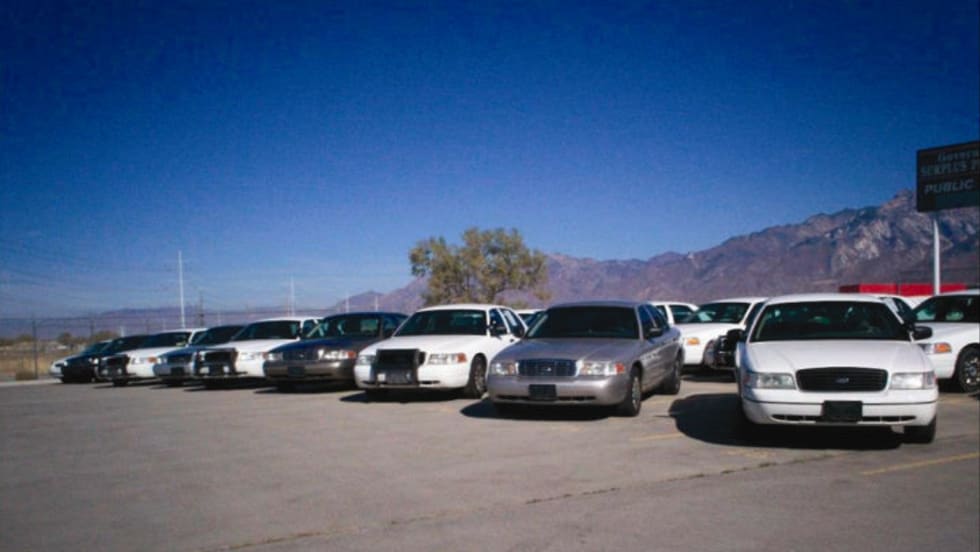
Remarketing fleet vehicles can be a time-intensive process. The State of Utah offers several tips to help remarket vehicles profitably.
Read More →