




How to Perform a Fuel Reconciliation
Managing fuel inventory remains top of mind for government fleets around the globe. Performing regular fuel reconciliations will help managers fully account for what they’ve paid for.

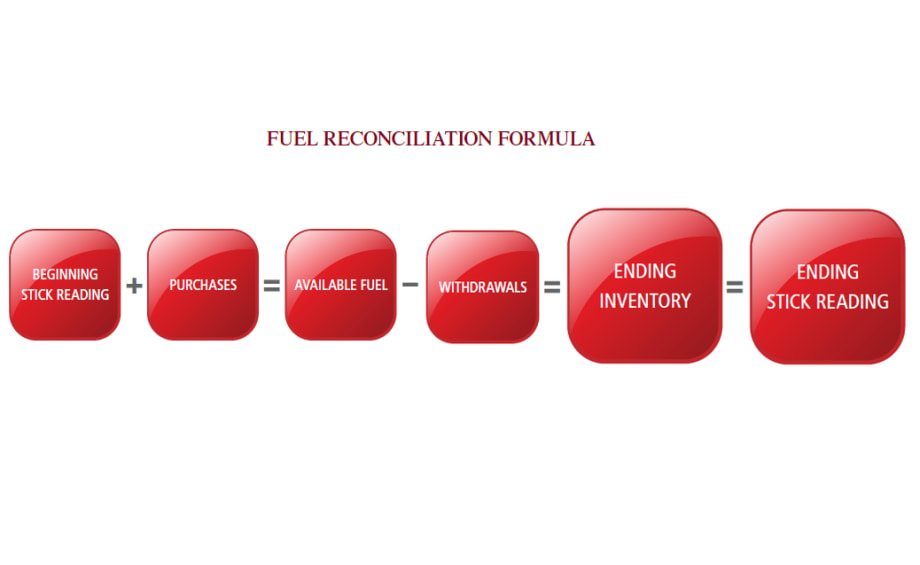
This formula can be used when conducting a bulk fuel reconciliation summary.
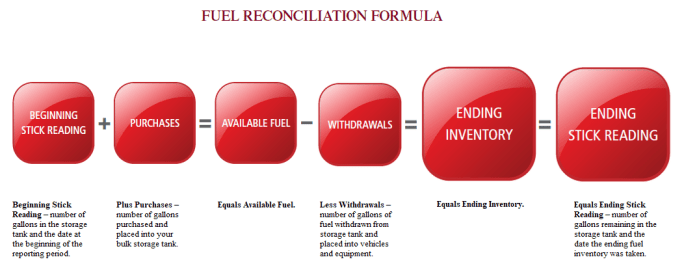
This formula can be used when conducting a bulk fuel reconciliation summary. (View a larger version of this image here.)
In these continuing cost-conscious times, managers must ensure budgets remain balanced and every penny is accounted for. Performing a fuel reconciliation can be an essential part of the fuel management process.
What is a fuel reconciliation and why is it important to your operations? Basically, it is a comparison of point-of-service metered sales with actual tank inventories from electronic tank monitors or measured stick readings. The importance of a fuel reconciliation is simple: to ensure that your operation gets what it pays for.
"Performing a fuel reconciliation allows that you get what you pay for with price, taxes, gallons delivered, and fuel card management," said Glen Sokolis, president of Sokolis Group, a fuel management and consulting company. Sokolis has worked with fleets on fuel management since 1993.
The primary benefits of regular fuel reconciliation include:
Controlling shrinkage
Ensuring correct product delivery
Improving environmental compliance to accepted tolerance levels
Reducing administrative time required to reconcile fuel sales to stock inventory levels.
How & When to Perform a Fuel Reconciliation
When performing a fuel reconciliation, first determine the true cost of a gallon of fuel by performing an in-depth spend analysis. Make sure you use best practices by comparing current operations to industry standard pricing and performance measurements.
Sokolis also recommends developing an effective supply strategy by balancing security of fuel supply with fuel cost and margins; streamlining supply contracts with all involved — including operations, accounting, and legal groups — to maximize opportunity; and executing a fuel management program through stringent compliance.
Document, in detail, any reasons for differences found during the reconciliation process, Sokolis advised.
It is important to do a fuel reconciliation as often as possible, according to Sokolis. "If you only spot check it every few months, there is a good chance you might not be able to figure out any issues that arise," he said.
Outside Resources Help Managers Save Time & Money
Having an outside service review fleet fuel processes every few years is also a good practice. Internally, employees change jobs and processes and policy might break down, causing "holes" in the system.
According to Sokolis, fuel management services help fleet operators lower costs, mitigate risk, and maximize fleet utilization when good processes are followed.
"Outsourcing provides lower administrative costs and allows government fleets to focus on other core projects," he said. "Most government fleets don't have the time to create relationships in the local or national market place, which may cause them a disadvantage when it comes to pricing."
(View a full-size version of the chart above here.)
City of Baltimore Employee Caught Stealing Fuel
In the midst of continuing high fuel costs, government fleets have become the target of fuel theft. One recent case involved a former Baltimore public works employee who recently pled guilty to stealing more than 101,000 gallons of diesel fuel from the city, totaling as much as $1 million.
"Everyone would like to believe they know their employees well enough to think that person won't steal, but it does happen," said Glen Sokolis, president of Sokolis Group, a fuel management and consulting company.
The employee, Maurice Boone, resold the fuel for a year and a half before being caught by a Baltimore County police officer. The police officer saw Boone filling up 250-gallon storage tanks with city-purchased diesel at a warehouse on Jan. 5, 2009. Boone eventually admitted to police officials he had been stealing fuel from the City of Baltimore since 2007.
"I can assure you that if they had a good fuel inventory control process in place, this would have been caught within two months," Sokolis said.
The tractor-trailer operator would fill a city tanker from a pump at a landfill, fill city vehicles as part of his job, and then sell the remaining fuel to an associate, James Wright, a co-defendant in the case.
Boone pled guilty, receiving a suspended eight-year sentence and five years' probation. He was fired from his city job in March 2009 and must also pay the city $187,000 in restitution.
"Who knows who else is or was stealing fleet fuel from them?" Sokolis pointed out. "They don't track their fuel inventory, so it could be millions of gallons of diesel fuel that have been stolen. There are fuel management companies out there that can manage fleet fuel buying, fuel auditing, and fleet fuel pricing and checking for a whole lot less than $1 million."
Wright's scheduled trial was set for June.
More Fuel
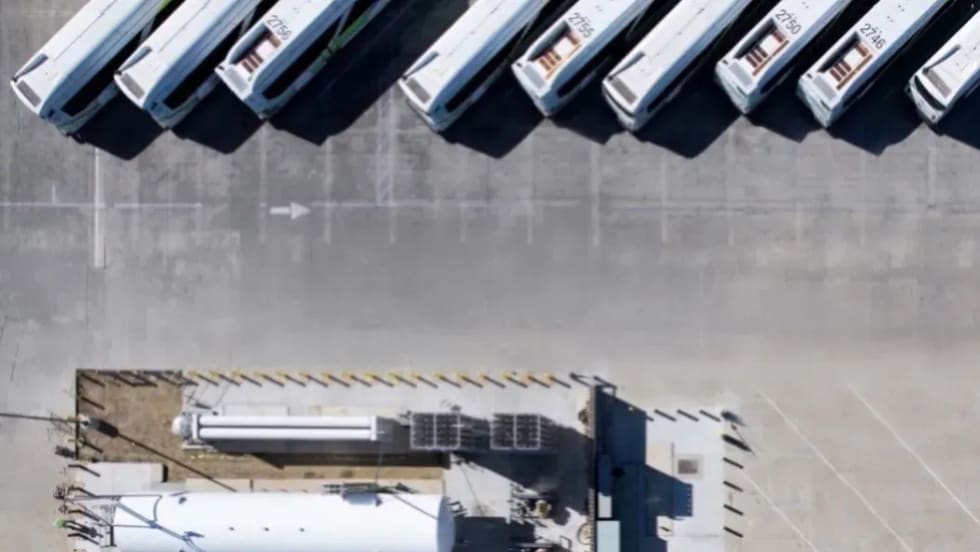
Clean Energy to Build Hydrogen Station for Orange County Transportation Authority
The new station will support the agency’s growing fleet of zero-emission hydrogen fuel cell buses.
Read More →
How Fleet Managers Reduce Fuel Waste and Protect Budgets
When fuel prices swing, fleet averages don’t tell the whole story. This white paper helps fleet and operations leaders uncover where fuel waste really hides and what data they need to build a smarter, more resilient fuel strategy.
Read More →
Planning for Future Technologies: Hydrogen and Beyond
As public agencies work to cut emissions from off-road operations, fleets are turning to a mix of renewable fuels, hybrid systems, battery-electric equipment and emerging hydrogen technology.
Read More →
RoadFlex Expands Fuel Network with Refuel Partnership
RoadFlex expands its fueling network for public sector fleets through a new partnership with Refuel, adding more than 250 locations across the Southeastern U.S. to improve access, savings, and efficiency.
Read More →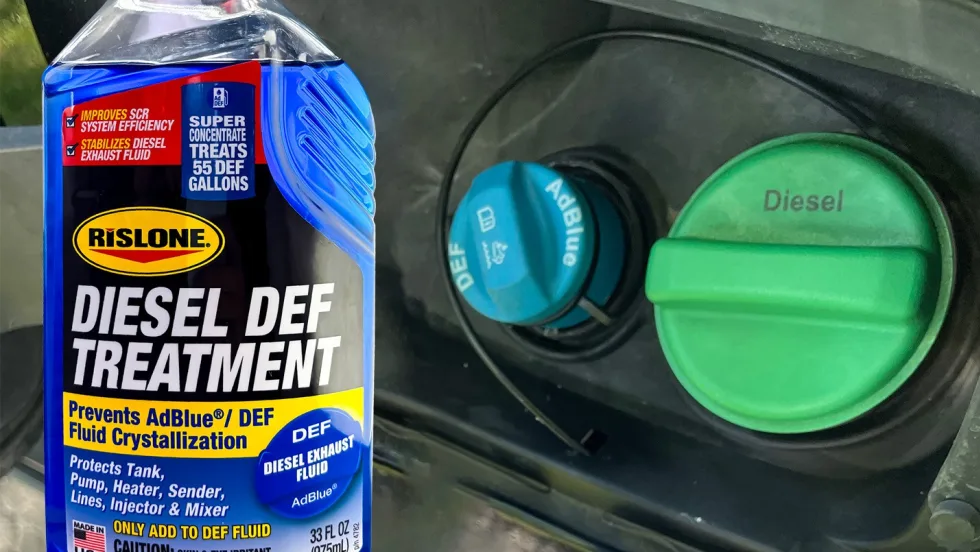
Rislone DEF Treatment Designed to Keep Diesel Exhaust Fluid Crystal-Free
Rislone is rolling out a super-concentrated version of its Diesel DEF Treatment that is designed to stabilize and improve diesel exhaust fluid.
Read More →
Are Bi-Fuel Propane Autogas Vehicles Making Law Enforcement Fleets More Resilient, Cost-Effective?
How a Florida sheriff office’s choice in fuel system led to a healthier budget, increased resiliency, and decreased emissions.
Read More →
Fleets All-In On Fuel Management Tech
Fuel management can become a tricky obstacle, but smart strategies and new tech have turned it into a well-oiled machine where price prediction is art, and cost control is science.
Read More →
Prepare Diesel Trucks for Winter with Diesel Exhaust Fluid
Understand proper DEF purchasing, handling, and storage practices in order to meet regulatory requirements and operates at peak performance.
Read More →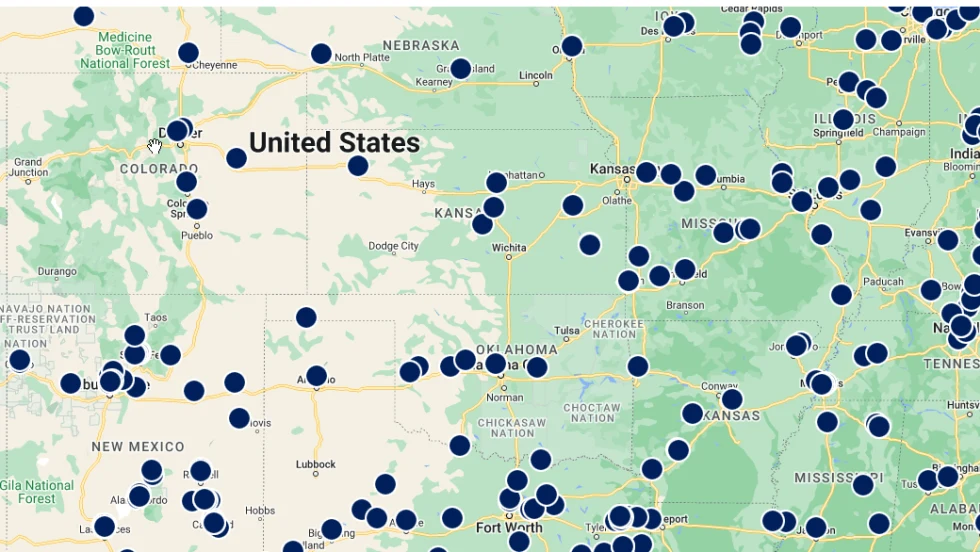
Diesel Exhaust Fluid (DEF) Locator
Yara, a diesel exhaust fluid (DEF) producer, offers a DEF locator website to help get the fluids fleets need.
Read More →
Gas vs. Diesel: The Bad Investment Only Fleet Managers Know About
A major point of debate in fleet management is using diesel vs. gas cars and trucks. Choosing to purchase gasoline engines instead of diesel ones for medium-duty trucks may be an unpopular decision, but is it the right one?
Read More →