


 MENU
MENU SEARCHMENUSEARCH
Efforts to improve federal fleet management on all levels and reduce greenhouse gas emissions and petroleum consumption have increased since President Obama signed EO 13514 in 2009.
Read More →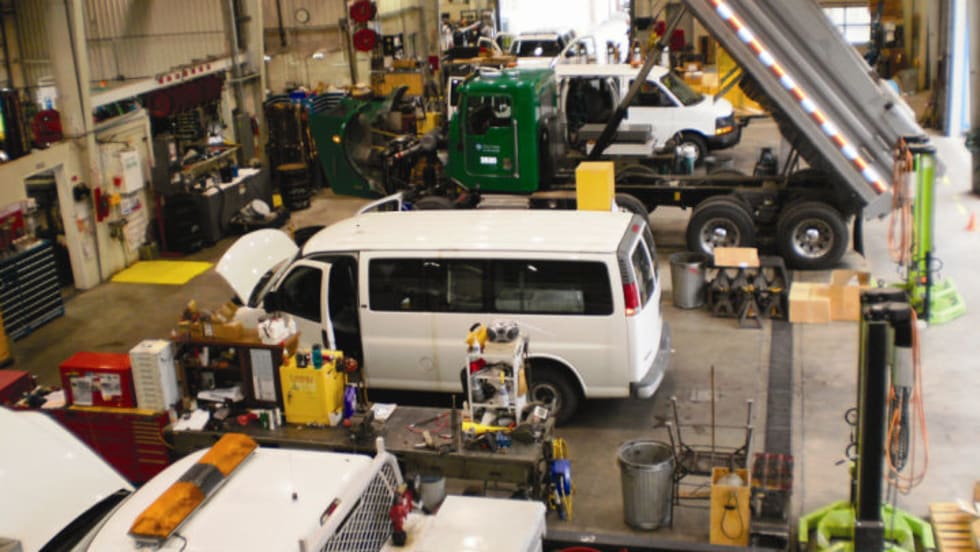
Fleet industry credentials, such as NAFA’s CAFM and the American Public Works Association’s CPFP, showcase the specialized skill sets required of technicians who work on today’s complex automobiles and equipment.
Read More →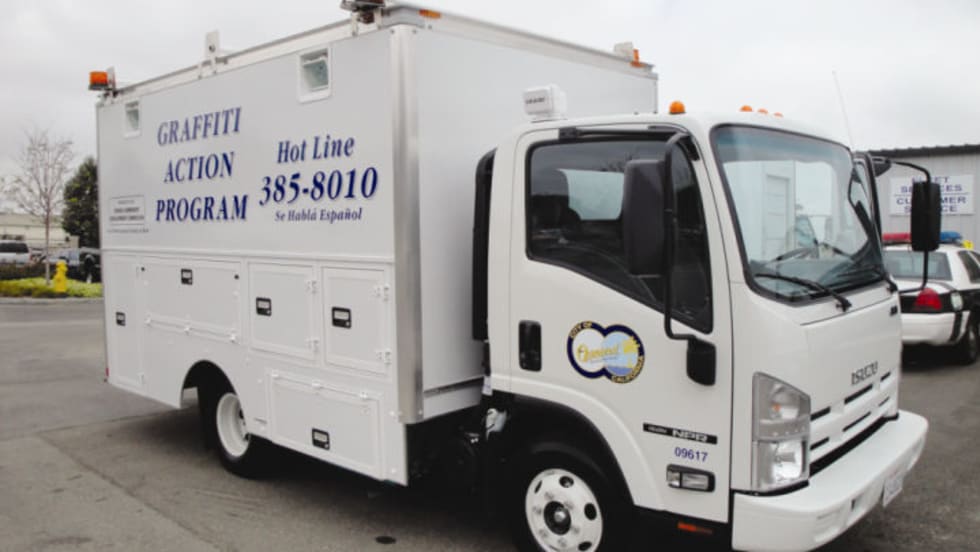
Used to help clean up graffiti in public areas, the City of Oxnard, Calif.’s two new anti-graffiti trucks will help work crews continue to clean up the city.
Read More →
The Tennessee county uses GPS tracking devices to make big improvements, monitor employee behavior and productivity, and reduce unauthorized vehicle use.
Read More →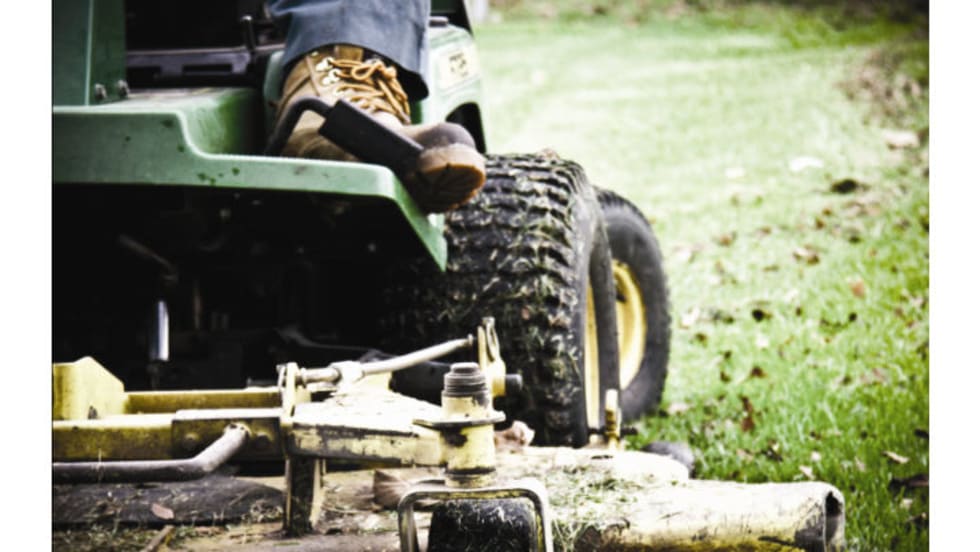
The City of Torrance, Calif., Fleet Services division discusses grounds maintenance equipment and emphasizes the importance of having close relationships with the user department.
Read More →
A k-9 companion in a police vehicle introduces additional areas of concern to overall vehicle cleanliness and resale.
Read More →
Relying on hard data, Utah increased replacement limits to 105,000 miles, a move that resulted in significant savings for the fleet.
Read More →
When implementing a fleet system, fleets commonly focus on basic features to meet core needs, missing such valuable tools as warranty management, shop scheduling, flat-rate labor times, parts inventory stocking, and reporting.
Read More →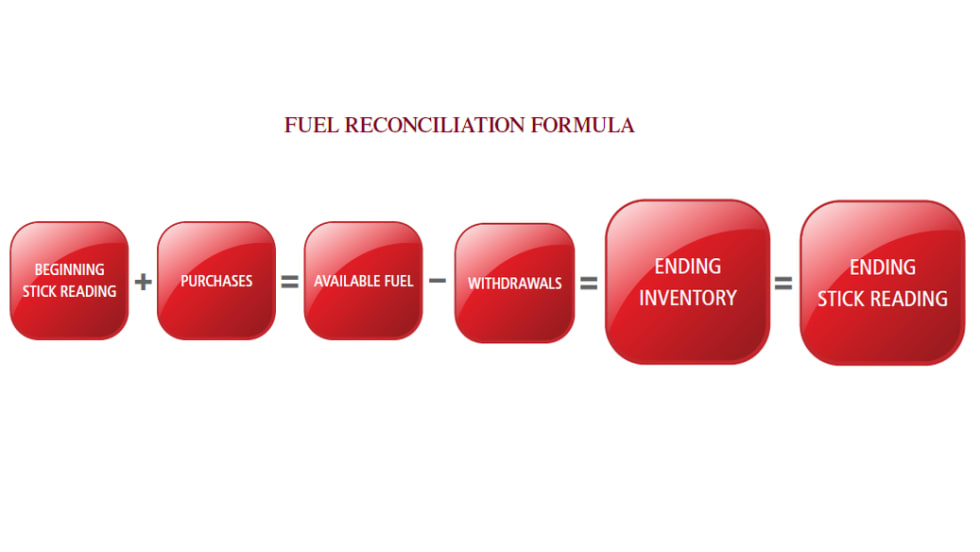
Managing fuel inventory remains top of mind for government fleets around the globe. Performing regular fuel reconciliations will help managers fully account for what they’ve paid for.
Read More →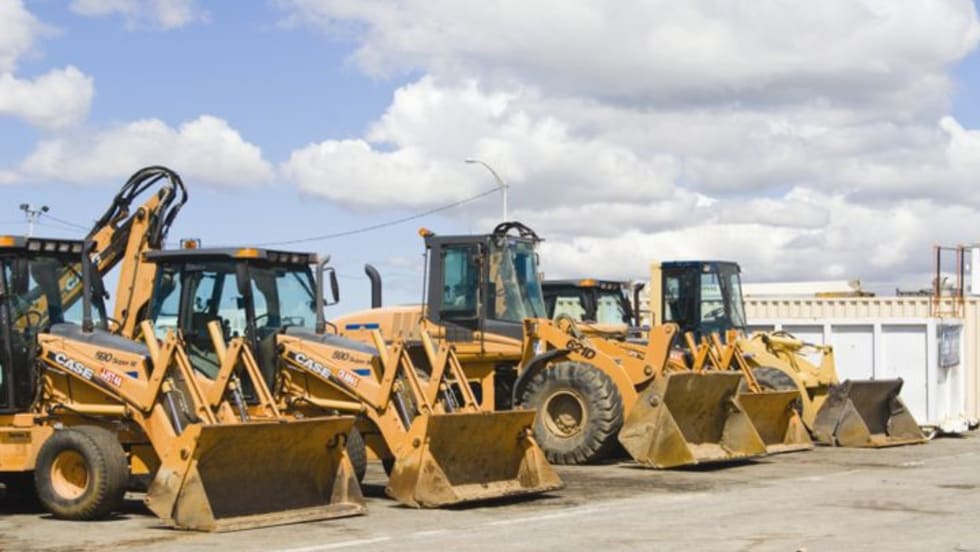
Fleets share best practices in disposing of off-road equipment — the backhoes, graders, rollers, etc., commonly known as “yellow metal.”
Read More →