




Tacoma Overhauls its Accident Management Program
After reinventing its accident management program and moving to automated reporting, the City of Tacoma, Wash., dramatically improved customer service ratings and lowered fleet operating costs.

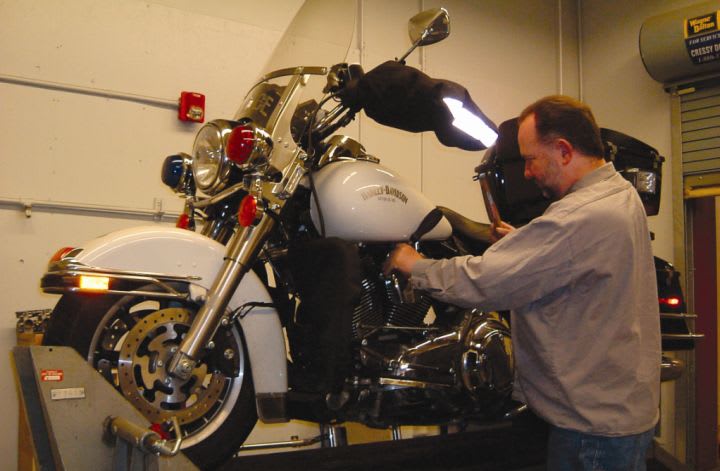
Harley Davidson motorcycles were deployed by the Tacoma Police Department in 2006.
The third-largest city in Washington state, the City of Tacoma incorporated in 1884, growing from its historical roots as a home of sawmills and a bustling port that exported goods around the world to a center for international exports, the arts, and affordable living. Today, more than 203,400 residents live in Tacoma.
The City’s fleet team manages 1,100 vehicles and pieces of equipment, as well as 200-plus units from other cities and jurisdictions.
When Fred Chun, fleet services manager for the City of Tacoma’s general government fleet, arrived in Tacoma more than three years ago, Fleet Services was evaluated by its customers as barely meeting their expectations. Customers had a total lack of trust with the department.
“While our staff was providing quality services, fleet needed to become more transparent to work with the customers and respond to their actual needs rather than what we thought they needed,” Chun said.
Processes implemented since Chun joined the team include monthly customer meetings, refunds for re-work or mistaken repairs, customer reviews, and definitions for customer equipment specifications. The bottom line for Tacoma Fleet Services was to completely communicate its processes, successes, failures, and costs.
“Currently, our annual customer survey revealed that we’ve reached a 90-percent Excellent Service Rating,” Chun noted.
City Leaves State Accident Management Contract
The City took another bold move in 2008 after re-examining its accident management services. Breaking away from its Washington state contract, the City partnered with The CEI Group, Inc. after sending out an RFP.
“We wanted to establish a longer-term contract customized to our needs,” Chun said. “The Washington state contract provided a good baseline, but items like electronic accident reporting were not available.”
CEI’s data management capability, capacity, and analysis saves the City valuable human and IT resources. Plus, the City’s subrogation recovery rates with CEI exceed the industry standard.
“The cost reduction and associated benefits are well-proven, as it would take so much work to do this work in-house,” Chun said, adding he’s found high-quality body repair work at CEI recommended shops.
To ensure smooth and effective fleet operations, the fleet team reviews key performance indicators (all measurable) and sets goals each month, including:
Preventive inspections and maintenance indicators — both on-time and quantity of preventive maintenance.
Same-day parts availability for same-day vehicle returns.
Billable rates to 70 percent.
Financial goal: No profit or no loss as an enterprise fund unit.
[PAGEBREAK]
Piggybacking Allows Further Cost & Time Savings
The City’s new CEI accident management contract was written specifically to allow “piggy-backing” by other agencies. As a result, all city agencies will migrate to CEI’s program.
“As we always look for piggyback opportunities in our procurement to save procurement costs and time, we include this item in all our contracts,” Chun said. “As a public entity, I see this as a good stewardship for other governmental agencies and to build relationships.”
In early 2009, Tacoma worked with various city divisions, department staff, and CEI to develop a uniform accident report form. All city accidents are now reported on a single format to CEI, regardless of claim issues.
“We see this as one of our huge milestones and an effective risk management tool,” Chun said.
Stepping Outside the Box to Become More Effective
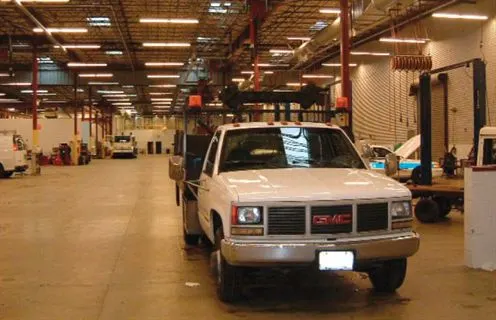
The City’s ability to look outside the box can be seen in other areas as well. For instance, fleet facilities were recently moved to an environmentally friendly building — an old Costco warehouse modified to house and maintain the fleet.
“We use rain water for restroom water (not for drinking), and all of our light systems are energy-efficient fluorescent, as well as being on a motion sensor,” Chun said.
The City fleet facility recently received a LEED (Leadership in Energy and Environmental Design) certificate, a recognition that a construction project or building can attain by utilizing environmentally friendly building practices during construction or remodeling.
Another example of the City’s innovation is displayed in its entrepreneurship. For example, other area agencies contract the City to perform maintenance work on city vehicles and equipment, including the City of Lakewood, Pierce County, Health Department, and Washington State Patrol.
“Providing outside customer services keeps our revenue streams open, fills the gap during downtime, and builds good relationships with our neighbors,” Chun said.
The primary benefit for the other agencies is a lower shop rate and service quality.
The City’s fleet team also regularly partners with public utility fleet managers to maximize reach.
“I always admire fleet services for their resources and innovation while we, on the general government side, have limited resources,” Chun said. “Regardless, we share contracts and work together on fuel, tires, filters supplies, and CEI contract.”
Chun also continues to seek advice from the utility side for management processes.
“As we both serve the citizens of Tacoma, our common goal is to continue to seek efficiency and to green our fleet,” he concluded.
More Safety
New Partnership Aims to Expand Public Digital Hazard Alert System Statewide
The Hawai’i Department of Transportation (HDOT) is expanding advance digital hazard alerts for the public statewide.
Read More →
New York City Expands Safety Technologies Across Municipal Fleet
Executive Order 19 moves intelligent speed assistance and pedestrian alerts from pilot programs toward standard fleet equipment, offering other public fleets a look at how safety technology can be tested, measured, and scaled.
Read More →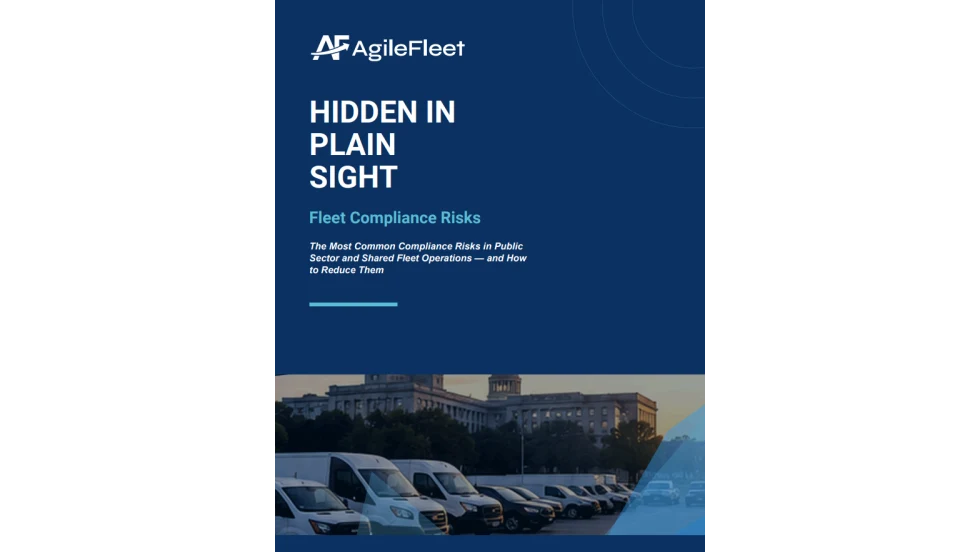
Hidden in Plain Sight: Fleet Compliance Risks
Fleet compliance isn't just about having policies — it's about consistently enforcing them. This practical guide reveals six hidden compliance risks common in public sector and shared fleet operations and outlines proven strategies to improve visibility, accountability, and audit readiness.
Read More →
5 Days Left to Submit Your 2026 Fleet Safety Award Nomination
Know a government fleet, safety, or risk manager who deserves recognition for making fleet operations safer? Nominations are open through Aug. 15.
Read More →
How the First 24 Hours Can Shape a Fleet Crash Response
How a strong accident response process helps government fleets move from the initial report to recovery while building a clearer record for what needs to change next.
Read More →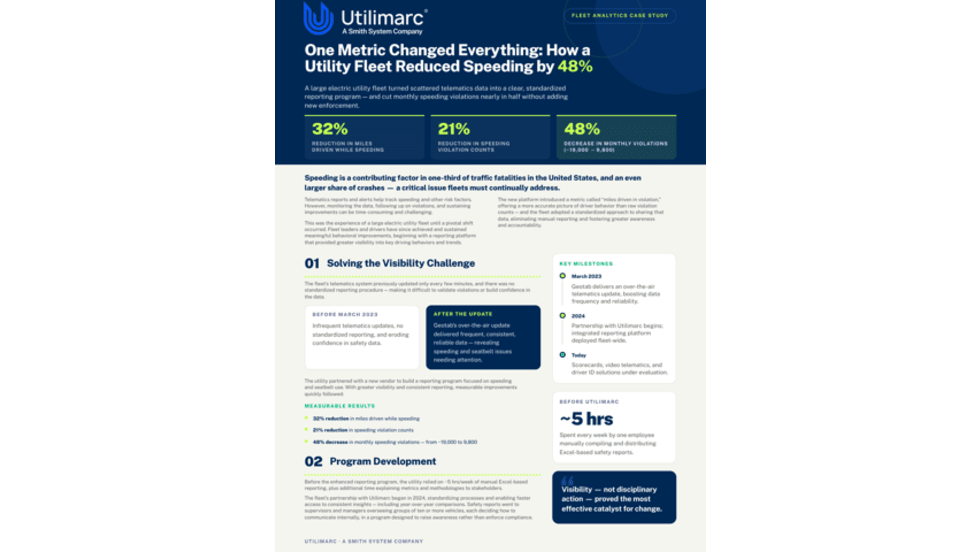
How Better Visibility Cut Speeding Violations by 48%
Fleet leaders don't need more data, they need clearer visibility into what the data is saying. This case study explores how one utility replaced speeding-event counts with a single metric — miles driven in violation — to strengthen safety and significantly reduce speeding violations.
Read More →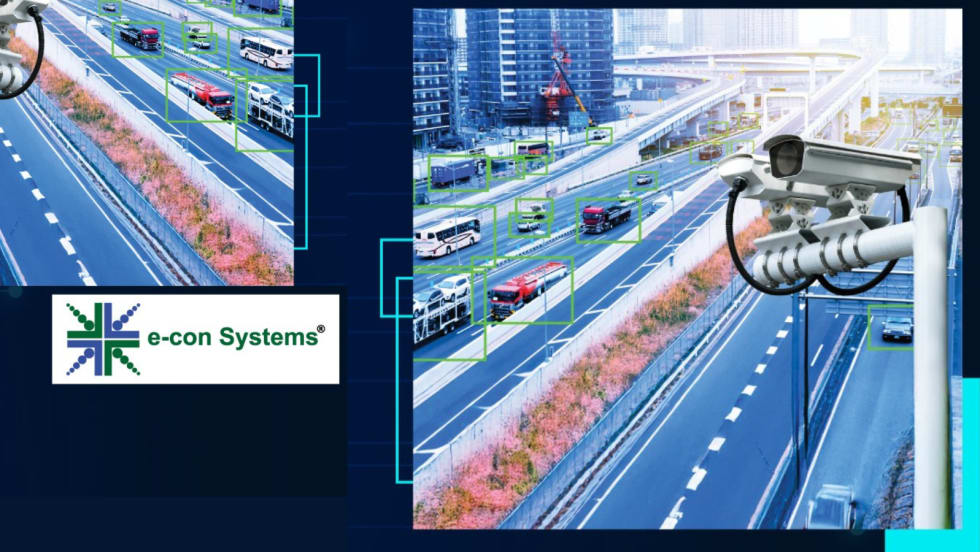
e-con Systems Expands AI Camera Tools for Traffic Monitoring
The systems support license plate recognition, traffic analytics, and video management for transportation agencies.
Read More →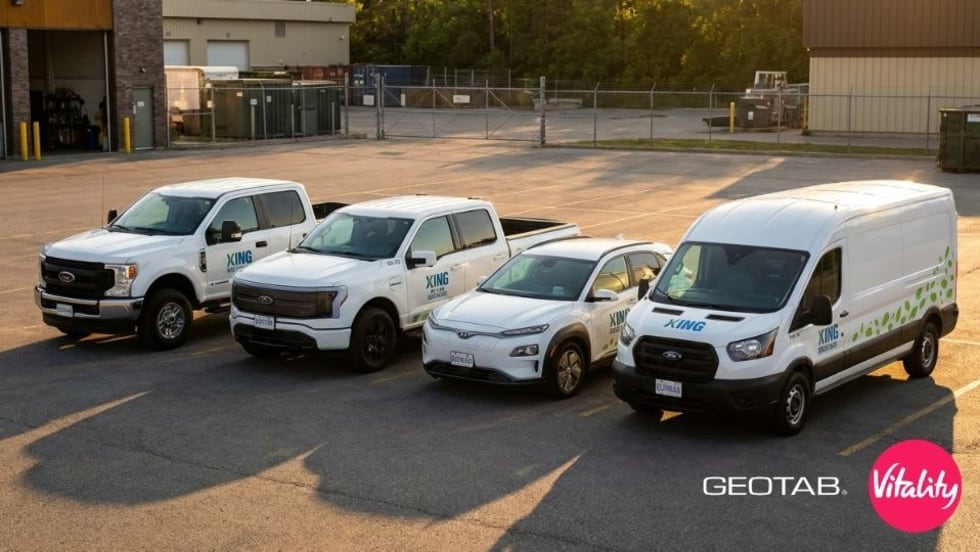
King Township Pilot Links Driver Feedback to Reduced Speeding
How King Township, a best-in-class municipal fleet, reduced speeding by 10.9% and demonstrated a projected 349% ROI by putting safety ownership directly in drivers' hands.
Read More →
Beyond the Fireline: The Critical Role of Public Fleets in Wildfire Response
Behind every wildfire response is a complex network of vehicles, data, and decisions that must work in sync under extreme pressure. Global heating trends require strong fleet coordination and reliable communications to keep crews safe and operations running smoothly.
Read More →
How AI Is Transforming Public Fleet Safety - Part 1
AI-powered safety systems are helping public fleets tackle distracted driving by delivering real-time coaching and measurable behavior change behind the wheel. In part one of our Q&A, Nauto CEO Stefan Heck explains how agencies can improve safety, reduce costs, and navigate implementation challenges with AI-driven technology.
Read More →