





Similar Content: Improving Fleet Efficiency with Motorpool Technology
Rightsizing & Expanding Motor Pool Ops
With government employees returning from remote work, fleet managers now have a better understanding of vehicle needs. This may mean they need to adjust their motor pools and reevaluate their rightsizing efforts.
June 13, 2022
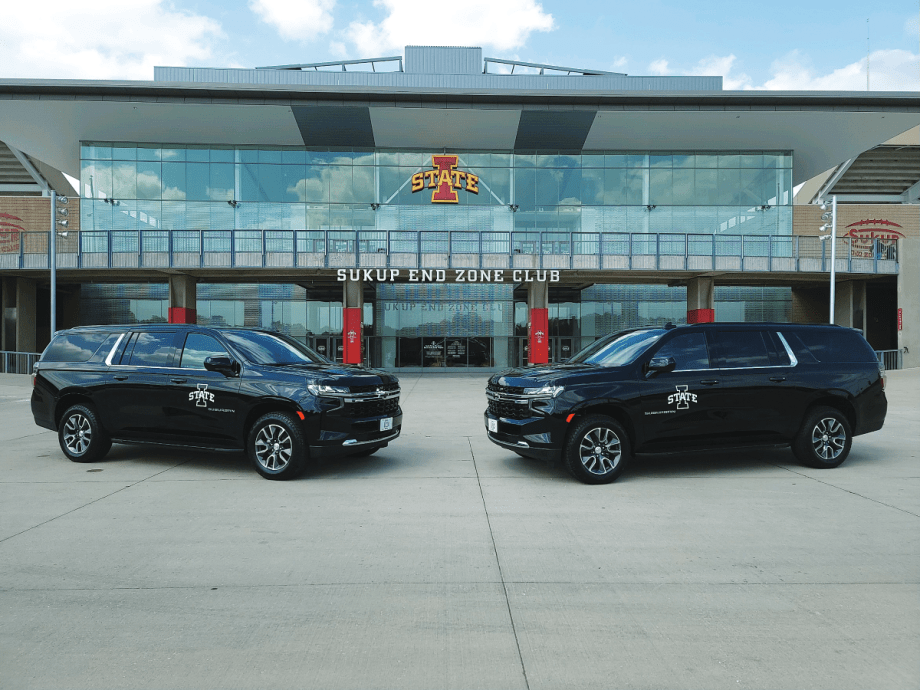
Fleet right-sizing efforts led Iowa State University to replace some of its motor pool vans with smaller vehicles, like these Chevrolet Suburbans.
Photo: Iowa State University
4 min to read
The pandemic has changed the way businesses operate. Workers who can do so have been working from home and many are returning to the office in a hybrid capacity; functions that used to require in-person meetings can now be done via video conferencing. And this change isn’t just affecting the private sector — the public sector has also seen similar changes.
According to Ed Smith, CEO of Agile Access Control, municipal inspectors, assessors, social services workers, and others are now working remotely via Zoom. This means the vehicles they used to drive are sitting idle, and yet many remain in the fleet.
“Although the vehicles remain idle much longer than before, you cannot simply eliminate a vehicle without providing an alternative means for getting the job done,” he explained.
That’s where a rightsizing initiative and a strong motor pool program come into play, along with using rentals, reimbursements, or ridesharing.
Expanding the Motor Pool
Smith said one of his customers faced this issue, along with the extra complication of having drivers in rural areas. A change in the motor pool system provided mobility to workers in their new locations.
In Scott County, Minnesota, the workforce shifted to virtual work, decreasing the use of the shared fleet. Some employees still occasionally needed vehicles — but they lived in rural areas, and it didn’t make sense for them to drive into the city to pick up a fleet vehicle. The solution was to create motor pool sites at county-owned public libraries in rural areas near where their employees worked. The change was simple on the county’s FleetCommander system, Smith said, and fleet management simply added self-service motor pool kiosks to these locations.
Rightsizing the Fleet at Iowa State University
During the beginning of the pandemic, universities faced some of the biggest changes with student departures. That led to significant changes for their fleets and their motor pools. For Iowa State University employees still using motor pool vehicles, fleet staff conducted a more thorough cleaning between reservations and increased time frame between reservations from two hours to 72. During that time, Kathy Wellik, CAFM, fleet director of Transportation Services, worked to ensure the fleet and vehicles were right-sized.
That included going from 46 15-passenger vans to 35. Fleet management was able to do this through better utilization — specifically, an automated kiosk that helped streamline rentals, especially on weekends. Rather than having three vehicles checked out for separate events on Friday, Saturday, and Sunday, one vehicle will now suffice as drivers can return the keys to the kiosk for the next pickup; in the past, drivers would have kept the keys to return to the fleet office on Monday.
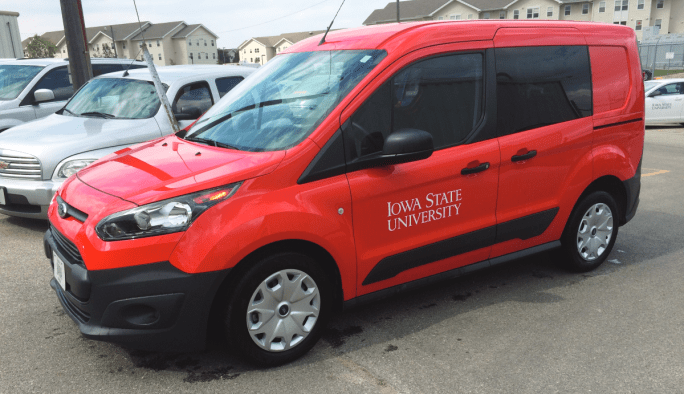
Iowa State University allows students to check out its motor pool vehicles. They use them to attend conferences and collegiate sporting events.
Photo: Iowa State University
“It’s like playing Tetris to me, you can really move the reservations around to maximize the number of vehicle reservations per vehicle, so then you don’t need as many,” Wellik said.
Digging into reservation data also helped, Wellik explained. If a desired vehicle wasn’t available and the fleet team provided the customer with a smaller car, was it sufficient for the customer’s needs? Fleet management replaced a few large passenger vans with large SUVs, minivans, and small cargo vans, Wellik said.
Even though students are back at the university, reservation numbers aren’t back to normal yet, and Wellik doesn’t expect them to get there anytime soon — not until conferences are fully back and students can attend events without reservations. She predicted it would take a couple of years.
Wellik’s biggest concern now is not being able to replace these vehicles and having to extend lifecycles — an order for minivans got canceled this year and she’s not confident it will be filled next year either. That will force the department to push back replacement cycles, going from 100,000 miles at three to five years to replacing them at five to seven years. It also means more work for the university’s fleet technicians since they will be repairing older vehicles.
In the meantime, Wellik has a new revenue source: a driver service for motor pool vehicles. This is popular for trips that require 15-passenger vans. Wellik said people don’t want to go through required training to drive these vehicles or are intimidated by them, so they opt to have a fleet driver take them instead. The driver might be taking a golf team to the airport or picking up a visiting speaker. The user group pays for the rental as well as the driver’s hourly rate. This service has grown to 141 rides as of March, with three months remaining in the fiscal year.
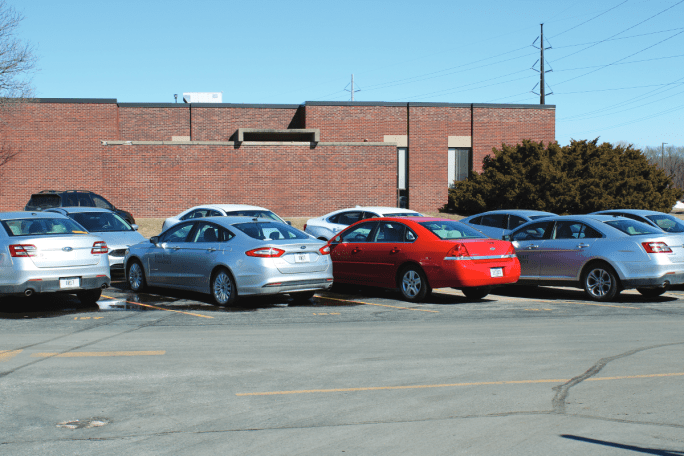
Iowa State University vehicles are usually replaced every three to five years. With the vehicle shortage, they may need to be kept five to seven years instead.
Photo: Iowa State University
What to Consider When Rightsizing
Smith recommended these ways for fleet professionals to right-size:
1. Talk to the experts and rely on their expertise and resources. For example, Agile Fleet provides a free rightsizing analysis for fleets that includes a five-year return on investment (ROI) estimate.
2. Talk to fleet peers who have done the same and get their advice.
3. Perform a job-by-job analysis of vehicle needs. A vehicle that was previously used to perform inspections every day of the week might no longer be used as often; fleet managers can consider whether this vehicle should be converted to a shared one.
4. Use technology to automate and streamline vehicle sharing and other fleet functions.
Subscribe to Our Newsletter
More Operations

Is Keeping Older Fleet Vehicles Really Saving Money?
Is keeping vehicles longer saving money, and what happens when a diagnostic test points to the wrong fix?
Read More →
How Smart Fleet Strategy Can Help Local Government Agencies Do More with Less
Keeping a vehicle longer may ease this year’s budget, but what does it cost the next one? A closer look at fleet decisions can reveal opportunities to reduce spending while protecting essential services.
Read More →
Connect with Government Fleet on LinkedIn
From industry news and fleet management strategies to conversations with peers, Government Fleet's LinkedIn page offers public-sector fleet professionals another way to stay informed and connected.
Read More →
Town of Queen Creek Named Most Successful Fleet Award Winner of Inaugural RTA Fleet Success Awards
Five fleets were honored at RTA Connect 2026 in Chicago for excellence across resource efficiency, intentional culture, risk management, and stakeholder satisfaction.
Read More →
Sponsored•October 14, 2026
A buyer's guide to fleet management software in 2027
Buying fleet management software in 2027 means looking beyond features and price. As fleet operations, technology and expectations evolve, this guide explores what today’s fleet professionals should consider when choosing a system that can deliver value now and adapt to what comes next.
Read More →
Hazard Alerts, Fleet Car Sales Rise and a New Shuttle Concept
Fleet car sales doubled, but the bigger picture tells a different story in this week’s roundup.
Read More →
How St. Johns County Turned Fleet Data Into Better Replacement Decisions
St. Johns County, Florida, had fleet data, but turning it into reliable decision guidance was another matter. Instead of starting over with a new fleet management system, the county connected existing tools and built a scoring system that gives managers an objective look at fleet health.
Read More →
Fleet Forward Conference Introduces One-Day Passes for 2026
New one-day registration lets fleet professionals attend Tuesday, Wednesday, or Thursday, with passes available for $249.
Read More →
ENC Unveils its ZAVIR Medium-Duty Shuttle
Two variants of the concept shuttles were revealed: a low-floor configuration and a high-floor configuration.
Read More →
Could Your Next Fleet Technician Start as an Intern?
What if your next technician hasn’t worked in a fleet shop yet? What fleets are doing to free up time.
Read More →