




Learn More: Proving the Worth of Subject Matter Experts
Pivoting to Better Auction, Spec’ing, and Data Practices
Chuck Cramer talks about the changes his fleet has made to improve how it conducts business.

Lexi Tucker・Senior Editor
4 min to read
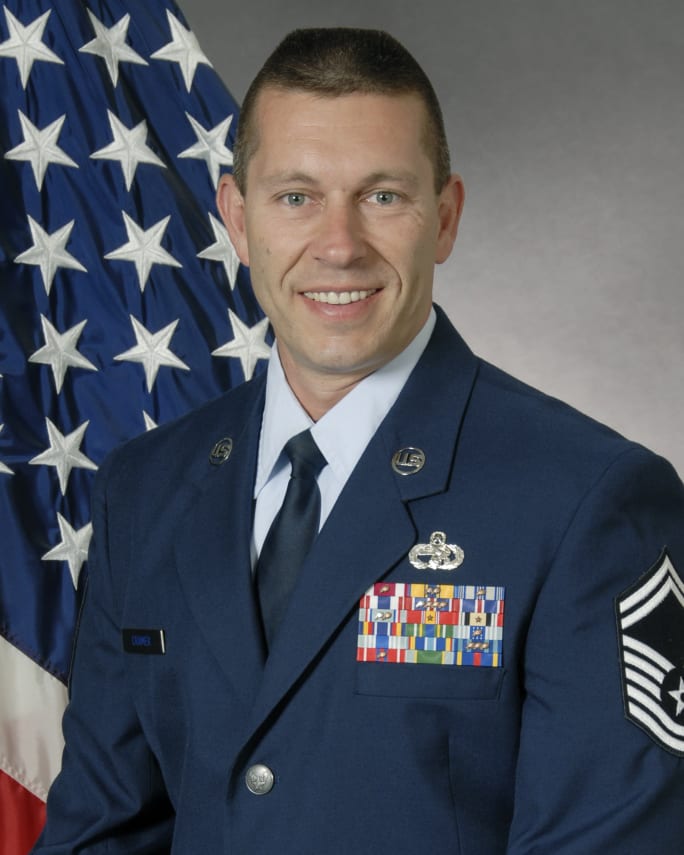
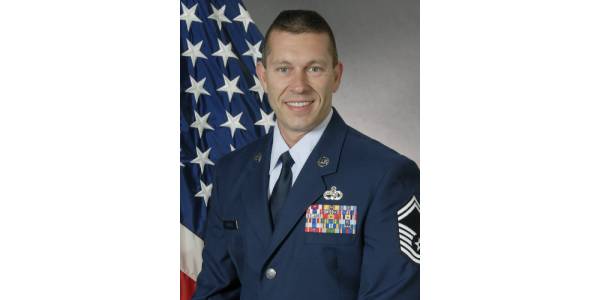
Chuck Cramer
Like most fleet managers, Chuck Cramer, director of fleet services for the City of Lynchburg, Va., and his team are responsible for all assets from “cradle to grave” – from initial purchase to sale at auction.
Before COVID-19, they conducted sealed-bid auctions. They would advertise the event on Facebook, Twitter, and other social media sites. Attendees would then arrive for the event that occurs over two and a half days, review all the vehicles, and then provide their bid in a sealed envelope. This was all handled in-house. Since the pandemic, things have shifted further to the digital realm.
When the pandemic comes to a close, he says they will probably move to a hybrid of the two events.
“We serve our citizens. So, although we can make more money online, we feel an obligation to them. So, we will continue in-house auctions as we are able, but also conduct online versions so those who feel more comfortable buying from home can participate.”
He says serving the citizens is what he finds most fulfilling about his role as a fleet manger.
“It's not about making money. It's about what the citizens’ needs are and how we can best provide for them. It gives you a higher sense of purpose, seeing the bigger picture and realizing you are a part of it.”
Receiving Input for Better Spec’ing
Getting vehicle specifications just right has been a challenge; one he has worked hard to overcome.
“If you just come in blind and say, ‘here's your truck, use it,’ it's pretty easy. But when you do that, the operators and technicians say, ‘I needed this,’ or ‘why did you use this part?’ You learn fast that other team members’ input is vital to proper spec’ing.”
The first few specs he wrote, were, admittedly, less than stellar. He then sought guidance from one of his master technicians. From there, he started bringing in drivers, operators, technicians, and even the third-party parts contract company the city uses, to receive feedback.
He asked about which parts lasted longer than others, various warranties, and other information that would help him craft better vehicle specifications.
“It’s important to ask about what their experiences have been, because this assists you in making more informed decisions. They are the ones who use the equipment on a day-to-day basis, so only they truly know what they need.”
He also says within the last year or two, the fleet department realized their fleet of dump trucks had 14 different types of controls. This was a wakeup call for standardization, which will ease many processes going forward.
Training has also been added to all of the department’s bids to help improve their usage as well. This occurs in two parts in the same day: one session for operators, and another for technicians.
Getting Your Data Right
Over the past 18 months, the largest project he has been working on has been transitioning from an old fleet information system to an updated web-based version. One reason it’s taken so long is because their data was in dire need of cleanup.
“We had 20 years of data to work with. We had to decide whether we wanted to start from square one, but to get a full lifecycle out of our equipment we needed the back-data. Therefore, we decided we were going to clean up the data ourselves, and it's been both the best and worst thing we've done,” he explains.
The department got a data report at the start of the transition that said they had 2,754 pages of errors. Since Fleet’s amazing staff started the cleanup process, they’ve narrowed it down to 40 pages they couldn’t correct by themselves.
“We’re now at a place where we can sleep easy knowing we're starting with good data.”
Knowing the Right Path
As a kid, he always had a love of cars, but didn’t know enough in terms of caring for them. When he was old enough to drive, he bought a Camaro, drove it hard, and...you can guess what happened.
“I didn't have any money to fix it, so I had to do it myself. I became a self-taught mechanic and that's how I got into the technician field,” he explains.
From there, he joined the Air Force as a vehicle technician. After 25 years of service, he retired as a fleet manager. Becoming one for a government fleet became the next logical step in his career path, and provided him with an easy transition into the civilian world.
“I love what I do, and that’s why I'm still doing it.”
His advice to other fleet managers is to make sure your employees are taken care of. They need to feel included and acknowledged. Involve them in decisions when you can and when it makes sense to do so.
“Although I have much more to learn, we need to make sure people feel accepted and valued. You can feel you’re doing this properly, but if they don't personally feel they are being appreciated, you need to find out what you can do to make it apparent.”
Subscribe to Our Newsletter
More Operations
Who Deserves Fleet Recognition and What Could You Teach at GFX?
Who helped shape your fleet career, and what have you learned that could help someone else?
Read More →
What’s Haunting Public Sector Fleets?
Public sector fleet challenges rarely happen in isolation, and addressing one often means understanding how it connects to another.
Read More →
Is Keeping Older Fleet Vehicles Really Saving Money?
Is keeping vehicles longer saving money, and what happens when a diagnostic test points to the wrong fix?
Read More →
How Smart Fleet Strategy Can Help Local Government Agencies Do More with Less
Keeping a vehicle longer may ease this year’s budget, but what does it cost the next one? A closer look at fleet decisions can reveal opportunities to reduce spending while protecting essential services.
Read More →
Connect with Government Fleet on LinkedIn
From industry news and fleet management strategies to conversations with peers, Government Fleet's LinkedIn page offers public-sector fleet professionals another way to stay informed and connected.
Read More →
Town of Queen Creek Named Most Successful Fleet Award Winner of Inaugural RTA Fleet Success Awards
Five fleets were honored at RTA Connect 2026 in Chicago for excellence across resource efficiency, intentional culture, risk management, and stakeholder satisfaction.
Read More →
Sponsored•October 14, 2026
A buyer's guide to fleet management software in 2027
Buying fleet management software in 2027 means looking beyond features and price. As fleet operations, technology and expectations evolve, this guide explores what today’s fleet professionals should consider when choosing a system that can deliver value now and adapt to what comes next.
Read More →
Hazard Alerts, Fleet Car Sales Rise and a New Shuttle Concept
Fleet car sales doubled, but the bigger picture tells a different story in this week’s roundup.
Read More →
How St. Johns County Turned Fleet Data Into Better Replacement Decisions
St. Johns County, Florida, had fleet data, but turning it into reliable decision guidance was another matter. Instead of starting over with a new fleet management system, the county connected existing tools and built a scoring system that gives managers an objective look at fleet health.
Read More →
Fleet Forward Conference Introduces One-Day Passes for 2026
New one-day registration lets fleet professionals attend Tuesday, Wednesday, or Thursday, with passes available for $249.
Read More →