Overcoming COVID Complications: Think on Your Feet
Keith Marian knows the best way to continue to be able to serve customers during the pandemic is to get creative.
Lexi Tucker・Senior Editor
August 18, 2020
2 min to read
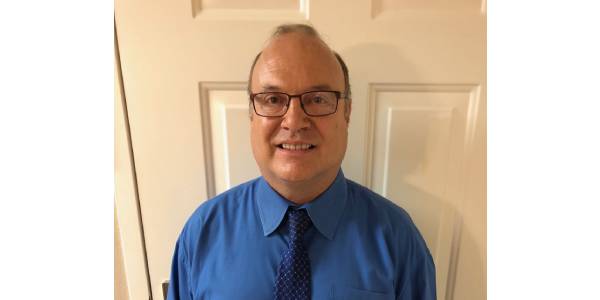
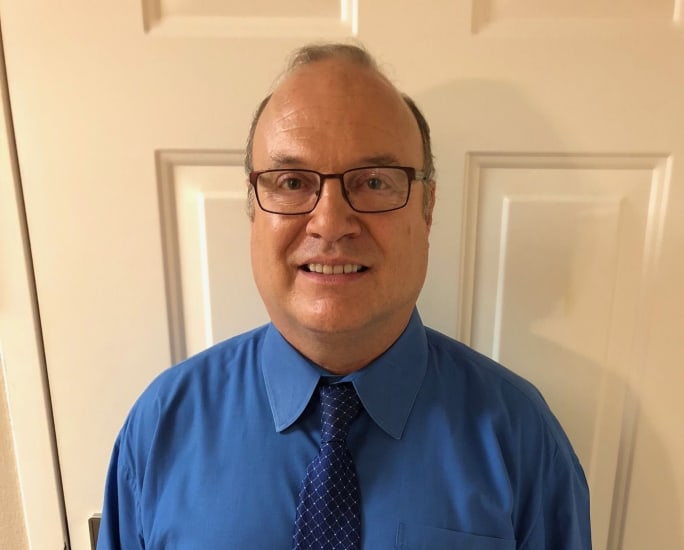
Keith Marian
20 years of experience in the aerospace and electronic manufacturing sector will teach you many lessons that can be adapted to other fields. With an emphasis on machinery maintenance, problem solving, adapting to technology advancements, and developing and working with a team, Keith Marian, fleet superintendent for the City of Orange, Calif., Public Works Dept., can say fleet management was a natural fit for his skills.
Solving Shortages
Some of the biggest challenges those who work in fleet face are things they have the responsibility for, but little control over. An example of this is the delays in parts and vehicles caused by the COVID-19 pandemic.
Ad Loading...
“When a key piece of equipment or a safety services vehicle breaks down, our customers do not want to hear excuses; they just want their vehicle back in service. We had to think out of the box by purchasing non-OEM parts for warranty repairs, and also engineering and manufacturing parts instead of waiting on OEMs to provide them.”
Improving Tech
A project Marian is currently working on is the implementation of a software program for the city’s sanitation division. This system will provide accurate information on 400 miles of sanitation piping and systems. Three vehicles will provide real-time information on infrastructure, including condition, scheduled maintenance, repairs, and hot spots.
This info will be uploaded daily to the Environmental Systems Research Institute’s (ESRI) geographic information system (GIS) and provide reports for staff and regulatory agencies.
“Fleet services is providing a turnkey implementation as well as training of city staff to ensure proper utilization,” he explains.
Keeping Up Quality
Marian oversees the operations and budget of 420 vehicles and two main and five remote fuel stations. He is in charge of ensuring customer service levels are up to snuff, that his team is developing properly and safely, and that quality remains under control. On top of all this, he must also make sure the department adheres to regulatory compliance with both fleet and environmental agencies.
Ad Loading...
“I find the most interesting part of my job is collaborating with people. This includes my team members, vendors, and our customers (executive management, police, fire, public works, community services, and many other departments).”
Timely Tips
Stay updated on the evolution of fleet trends and technology
Embrace change and prepare your team by providing the tools and training required to excel and compete with the private sector
Always be proactive and provide exceptional customer service along with high quality work
With more than 8,000 vehicles and pieces of equipment to maintain, the City of Phoenix could not afford to wait for fully trained technicians to walk through the door. Instead, they revamped their entire workforce strategy and showed how public fleets can create their own talent pipeline while preparing existing employees for increasingly complex vehicles.
Public fleets have more data than ever, but inconsistent records and missing information can still undermine maintenance, replacement, and cost decisions.
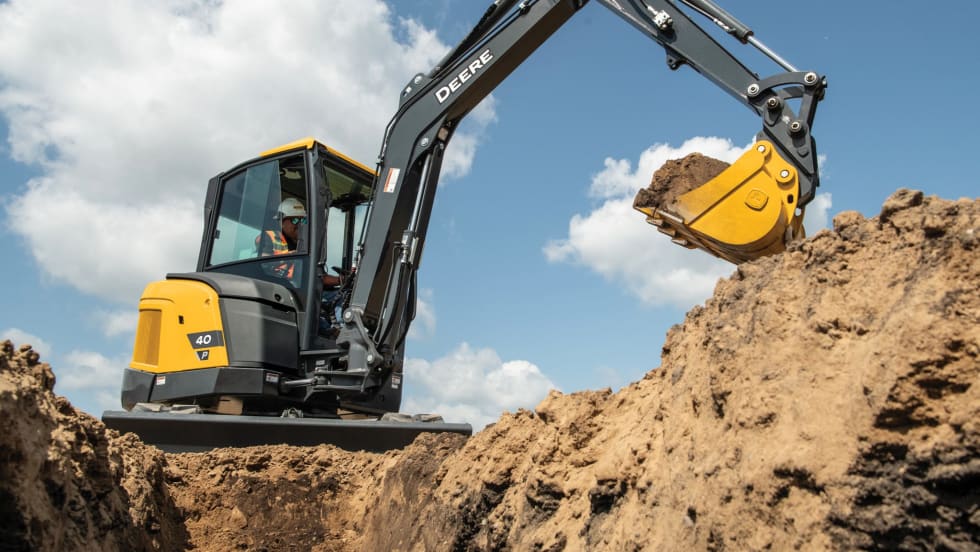
John Deere is adding a compact excavator designed for crews that need to move equipment between jobsites and handle multiple types of work with one machine. The 40 P-Tier weighs less than 10,000 pounds and offers configurable hydraulics, attachment options, and connected fleet-management capabilities.
This week, we look at what past Leading Fleet winners can teach us about making progress, plus how to build a business plan your fleet will actually use.
A fleet business plan should help agency leaders understand the fleet’s value, give the organization a clear direction, and establish shared expectations with customer departments.