




Similar Content: Ohio Fleet Manager Pursues Future Fleet Features
Making Use of Technician Strengths
In a future-focused world, John Hyatt from the City of Dublin, Ohio, knows the only way to stay on top is to educate and keep an open mind.

Lexi Tucker・Senior Editor
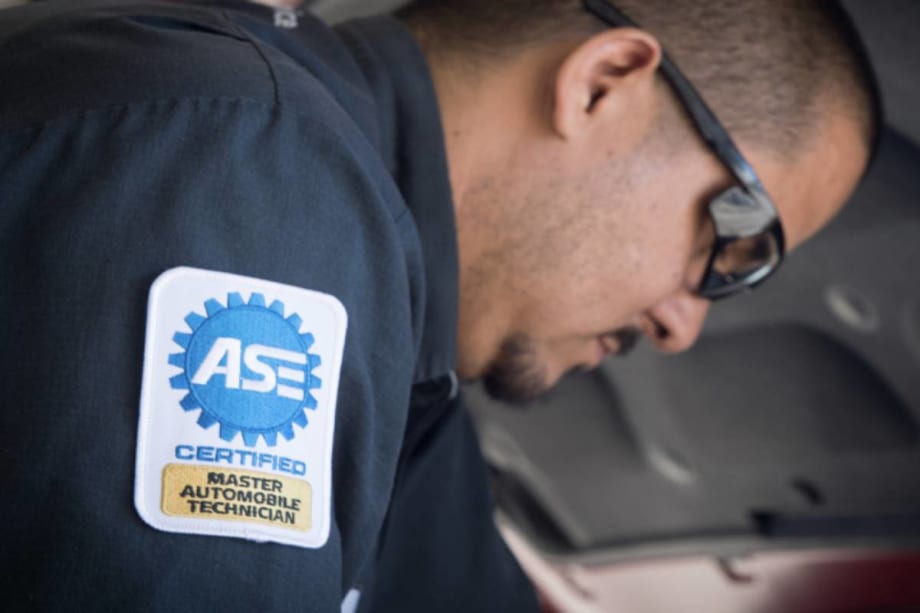
To work at Hyatt’s shop, technicians must have master ASE certifications in both light- and heavy-duty vehicles, as well as a high-level knowledge of computers.
3 min to read
What’s the difference between a mechanic and a technician? John Hyatt, operations manager for the City of Dublin, Ohio, said technicians must know much more about the technology needed to run the fleet of the future.
“With today's equipment and vehicles, technicians have to know more than how to use a wrench; they have to be computer savvy for diagnostics,” he said.
To work at Hyatt’s shop, technicians must have master ASE certifications in both light- and heavy-duty vehicles, as well as a high-level knowledge of computers. He acknowledged the difficulties that come with finding such a person, and said increasing pay is one factor that can help — but it’s not the only thing that entices talent.
“We pay for them to earn their ASE certifications. We pay them for their time by making sure they go for the testing during work hours,” he said.
This helps technicians realize that management cares about their professional evolution. Technicians shouldn't get stuck with only one specialty, and as a mentor, the fleet manager must act to foster their growth.
“Variety is also something that could be a selling point to try and get more people interested. They enjoy the fact they get to do something different every day," Hyatt said.
Reinforcing Strengths and Nurturing Weaknesses
It takes years to learn the strengths and weaknesses of each technician; fleet managers must spend time to truly understand those they work with as individuals.
Part of being a good manager is placing technicians where they will excel and then remedying any shortcomings with further education instead of letting them flounder or never giving them a chance to better themselves.

John Hyatt
“Everybody here has their niche, and I know what it is. Therefore, I'm not going to put Mike on something Bobby's better at, or Bobby on something that Andy's better at. When I schedule the work, I'm going to make sure they get what they’re comfortable with," Hyatt said.
Observing your team and speaking to them as individuals will assist in helping them grow where they need to. Hyatt said if, for instance, he can tell someone is struggling with welding, he’ll send them to a welding school and pay for it.
“You try to get them training on their weaknesses, but don’t put them in a position where they are uncomfortable,” he said.
The City of Dublin operates 61 compressed natural gas (CNG) vehicles, and Hyatt sent two of his best workers to Oklahoma for training for a week together so they could bolster their strengths. When they came back, they were able to help those who found working with CNG vehicles to be a weakness of theirs.
“You spend the money to train a few, and then allow them to pass that knowledge on to others,” he explained.
Subscribe to Our Newsletter
More Maintenance

Freeing Technicians for Higher-Priority Repairs
Could paid interns help public fleets free up experienced technicians for more complex repairs?
Read More →
Sponsored•September 18, 2026
Stay ready, set and safer with verified fleet inspections
When fleet inspections aren’t verifiable, missed defects can quickly become downtime, safety risks, and service delays. This white paper shows government and municipal fleet leaders how digital inspections can improve accountability, catch issues earlier, and keep vehicles ready when they’re needed most.
Read More →
Using Oil Analysis to Help with Engine Losses
How a Texas city changed its lubrication practices and began tailoring preventive maintenance intervals after test results showed oil degradation and fuel dilution.
Read More →
Sponsored•August 10, 2026
Hidden in Plain Sight: Fleet Compliance Risks
Fleet compliance isn't just about having policies — it's about consistently enforcing them. This practical guide reveals six hidden compliance risks common in public sector and shared fleet operations and outlines proven strategies to improve visibility, accountability, and audit readiness.
Read More →
Is Your Fleet Garage Holding Back Your Operation? | The Fleet Breakroom
Norman Barrientos of Barrientos Design & Consulting explains how agencies can use operational data to show decision-makers why a replacement or major renovation is needed.
Read More →
Reducing Long-Term Maintenance Costs and Downtime
Downtime is rarely caused by a single surprise failure but rather by an issue that builds over time through setbacks ranging from deferred maintenance to poor replacement planning. So what's the fix?
Read More →
The Future of Government Fleet Technicians with Mike Cleary
Insight on preparing for hybrid and electric vehicle service, what fleets need to know about recruiting technicians in a competitive market, and how to make the most of limited training budgets.
Read More →
Work Orders Are More Than Records. They're a Roadmap to Fleet Availability
What if your work orders could predict failures, uncover hidden costs, and boost fleet availability? Here's how leading fleets are using the data.
Read More →
Drive More Profit with Greater Fleet Uptime
Fleet downtime costs money. JASPER helps keep vehicles on the road with quality remanufactured components, fast nationwide delivery, and reliable solutions that boost uptime and profitability.
Read More →
Smart Seasonal Maintenance Tips for Government Fleets
Government fleets carry extra weight, and routes, schedules, and public trust depend on reliability. A systematic spring checklist keeps vehicles in service when agencies need them most.
Read More →