




Maintain Snow-Removal Equipment Before it Snows
Trucks, spreaders, plows, and other snow-removal equipment will be called upon to perform hard work under harsh conditions throughout the winter - waiting too long could be
disastrousNeglecting snow-removal equipment maintenance can lead to disaster in the winter, when trucks, spreaders, plows, and other equipment are called upon to perform in harsh conditions for long stretches at a time.
“In order to keep snow-removal equipment functioning properly, it’s critical that fleet maintenance technicians take the time before the season starts to conduct a complete inspection of all equipment and undertake any preventive maintenance or repairs that may be required,” says Ron Gerding, a 31-year veteran with the Heil Environmental Truck Equipment Group in Tishomingo, Mich. “Taking the time to maintain the equipment now can prevent costly repairs and downtime this winter.”
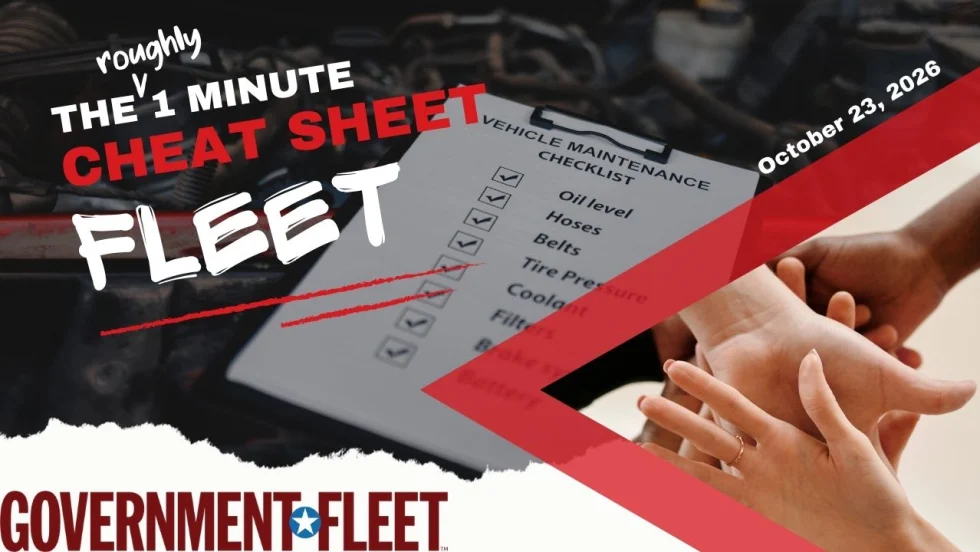
Heil, a manufacturer of truck equipment, offers the following checklist for preseason inspection/maintenance of any
vehicles used in snow-removal applications. Also check the operator’s manual that comes with the equipment for
specific guidelines.
Safety Equipment
Check that all lighting is functioning properly. This includes headlights, clearance marker lamps, safety lighting, hazards, brake lamps, warning lights, and turn signals.
Check all audible warning signals.
Make sure every vehicle is equipped with a safety kit for the operator, in case something goes wrong with the vehicle on the route. Suggested kit contents include: a warm blanket, change of clothes, flashlight with extra batteries, basic tools, first aid supplies, flares, an ice scraper and long-handled snow brush, emergency triangles, bottled water, and nonperishable food.
Check the radio and/or other communications systems. Visibility
Check the windshield and mirrors for chips or cracks.
Make sure windshield wiper blades are fresh and that all heating and defrosting systems are operating properly. Routine Preventive Maintenance
Thoroughly lubricate the body, chassis, and truck equipment as outlined in the owner’s manual.
Visually check all hoses, lines, cylinders, and fittings for leaks.
Check all belts for cracks, soft spots, or bulges.
Check all fluid levels and filters.
Does the vehicle need an oil change?
Inspect all tires for proper tread depth and air pressure.
Check wheels and rims for damage or cracks.
Examine brake shoes and drums for any excessive wear or cracks.
Consider a coat of wax to help protect the vehicle’s finish in the harsh months ahead.
Once the season starts, remember to thoroughly clean the equipment with a high-pressure wash after every use or shift. Take advantage of this time to also inspect components for signs of wear, cracks, leaks, or misalignment with the body. The vehicle body should also be lubricated more frequently during periods of heavy use. Check fluid levels often. System Checks
Check the power steering for excessive play.
For vehicles equipped with plows, check the hook-up mechanism and points of attachment to the truck.
For spreader trucks, make sure the conveyor chain is riding properly in the sprockets, unimpeded by any rocks or other debris. Adjust the angle of the discharge chute so material hits the spinner dish for the most effective spread pattern. Also, check the dish itself for damage.
Test the electrical system and examine the wiring.
Check the front axle and rear suspension for bad springs or worn bushings and pins.
More Operations
Who Deserves Fleet Recognition and What Could You Teach at GFX?
Who helped shape your fleet career, and what have you learned that could help someone else?
Read More →
What’s Haunting Public Sector Fleets?
Public sector fleet challenges rarely happen in isolation, and addressing one often means understanding how it connects to another.
Read More →
Is Keeping Older Fleet Vehicles Really Saving Money?
Is keeping vehicles longer saving money, and what happens when a diagnostic test points to the wrong fix?
Read More →
How Smart Fleet Strategy Can Help Local Government Agencies Do More with Less
Keeping a vehicle longer may ease this year’s budget, but what does it cost the next one? A closer look at fleet decisions can reveal opportunities to reduce spending while protecting essential services.
Read More →
Connect with Government Fleet on LinkedIn
From industry news and fleet management strategies to conversations with peers, Government Fleet's LinkedIn page offers public-sector fleet professionals another way to stay informed and connected.
Read More →
Town of Queen Creek Named Most Successful Fleet Award Winner of Inaugural RTA Fleet Success Awards
Five fleets were honored at RTA Connect 2026 in Chicago for excellence across resource efficiency, intentional culture, risk management, and stakeholder satisfaction.
Read More →
A buyer's guide to fleet management software in 2027
Buying fleet management software in 2027 means looking beyond features and price. As fleet operations, technology and expectations evolve, this guide explores what today’s fleet professionals should consider when choosing a system that can deliver value now and adapt to what comes next.
Read More →
Hazard Alerts, Fleet Car Sales Rise and a New Shuttle Concept
Fleet car sales doubled, but the bigger picture tells a different story in this week’s roundup.
Read More →
How St. Johns County Turned Fleet Data Into Better Replacement Decisions
St. Johns County, Florida, had fleet data, but turning it into reliable decision guidance was another matter. Instead of starting over with a new fleet management system, the county connected existing tools and built a scoring system that gives managers an objective look at fleet health.
Read More →
Fleet Forward Conference Introduces One-Day Passes for 2026
New one-day registration lets fleet professionals attend Tuesday, Wednesday, or Thursday, with passes available for $249.
Read More →