




Hurricanes Show Resiliency of Florida Fleet Departments
The lessons learned by Florida fleet managers are valuable during any natural disaster or emergency. These include giving fuel priority to first responders and securing alternative power supplies.
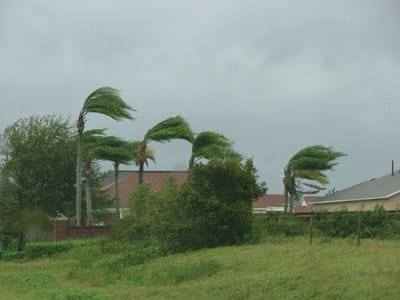
During emergencies and natural disasters, government agencies become the center of attention for a community. Response to a crisis can highlight preparation and planning or magnify any shortcomings.
Fleet managers in Florida experienced this type of test as they found themselves in the path of numerous hurricanes in August and September 2004.
Many challenges were expected from the outset, such as the loss of power and fuel shortages. But some people were unprepared for the emotional toll such devastating weather would take on employees.
Fleet departments across the state had to strategically position emergency vehicles, secure additional fuel, and locate radios and backup generators — all while employees wondered if they would have homes to return to at the end of the shift.
Fuel Management Was Crucial
Florida residents enjoyed an 8-cent sales tax reprieve in August, prompting increased fuel purchases for personal vehicles. While this benefited drivers, it put fleet managers at a disadvantage when they needed to top off their tanks and were faced with limited availability.
Palm Beach County was only able to fill 60 percent of its fuel capacity before the hurricanes hit, according to Doug Weichman, director of the county's fleet management division.
The county normally uses about 400,000 gallons of fuel each month, but used one million gallons between hurricanes Frances and Jeanne.
Weichman says police escorts were required to get contract fuel trucks out of Port Everglades in Fort Lauderdale so they could deliver fuel to the county.
In addition, Palm Beach County has its own internal fuel trucks for fire and rescue equipment. These ran for 18 hours each day for a week after the two hurricanes hit.
Doug Brock, Orange County's fleet manager, says the success of his operation directly correlated to good fuel management.
Agencies in the area soon discovered that getting fuel was not the only hurtle to overcome; generators were needed to pump the fuel while the power was out.
The local transit agency, LYNX, the Orlando Airport Authority, the Red Cross, and the Sheriff's Department all came to Brock's department for fuel because it had generators at all 13 fueling locations.
"We used a lot of fuel, but we never turned anybody down," says Brock. "It's just part of the planning process to get all tanks topped off every hurricane season."
Brock says he plans to buy a new refueling system with more redundancy built in to eliminate dependency on telephone lines for automation.
"When the lines are down, someone has to go out and manually issue the fuel," he says. "If the refueling system can do this itself, our employees can be put to use in better ways."
Bob Stanton, director of fleet management for Polk County, says he had to get creative to find fuel while the ports were closed.
After Hurricane Charley, Stanton bought a fuel truck and loaded fuel from other terminals around the state.
"Buying that fuel truck was the best decision we made," says Stanton. "It's already driven 10,000 miles and pumped 35,000 gallons of fuel (in less than two months)."
As the only source of fuel in Polk County, Stanton's department set up a fueling location in a shopping mall parking lot for other first responders.
About 100,000 gallons were pumped from this site with additional fuel deliveries taken to nursing homes, shelters, and hospitals in the area.
{+PAGEBREAK+}
Vehicle Preparation and Positioning
As a serious storm or hurricane approaches, Dan Croft, fleet management director for Collier County, says routine services are put on hold to give priority to repairs and maintenance.
All emergency vehicles are equipped with extra tires, wheels, and 5-gallon cans of tire sealant. Vehicles that will not be used for post-storm services are pooled together and used for evacuations, Croft explains.
Remaining vehicles are repositioned away from trees and low areas at risk for flooding.
To reinforce physical structures, dump trucks were parked inside and outside of large bay doors in the garages in Lee County, says Rawlings.
In the City of Daytona Beach, vehicles were parked in a stadium about seven miles inland. Although the area sustained considerable damage, the fleet remained intact, says Jon Crull, fleet manager.
Crull says that after seven police cars lost engines, city employees learned an important lesson about driving through high water.
"Flooding was a major problem for our vehicles compared to debris," he adds.
Once each hurricane had passed, a garage was set up for hood checks for all operating vehicles. Four employees were used to check the tires, fluid levels, and lights. Many vehicles were used for extended periods of time and needed oil and windshield washer fluid, says Crull.
"Each hood check was a 30-second job and we managed to put through the whole fleet in about four hours."
Stanton credits Polk County's preventive maintenance program for ensuring no vehicles experienced breakdowns within 72 hours of each storm.
Factor in Emotional Stress
Long work hours, limited sleep, and personal concerns proved to take a toll on many government employees throughout Florida.
Marilyn Rawlings, fleet manager for Lee County, says she was unprepared for the extreme stress levels experienced by her employees.
"Their whole world has been shook and they naturally revert to a fight or flight mentality," she says.
After the storms had passed, Lee County brought in a facilitator who held meetings with small groups of employees to address their frustrations and other feelings.
Weichman says his staff reacted in similar ways to the stress and felt high anxiety as Hurricane Ivan approached. Fortunately for Palm Beach County, it changed course and reached land farther to the west.
Still, two employees had to be taken to the emergency room due to stress attacks.
Despite the strain, nearly all employees were able to fulfill their duties as first responders during an emergency, say fleet managers across the state.
"Every employee that works for me had damage to his or her home," says Stanton. "But they continued to come to work and they worked hard."
Stanton says he personally went three weeks before he saw his house in daylight.
While there are still mounds of debris in some areas and many blue-tarped roofs, fleet managers say morale is improving and things are getting back to normal.
Florida's chance of getting hit by another series of powerful storms is low, but fleet managers will be prepared with topped off fuel tanks and extra generators just in case.
More Operations
Who Deserves Fleet Recognition and What Could You Teach at GFX?
Who helped shape your fleet career, and what have you learned that could help someone else?
Read More →
What’s Haunting Public Sector Fleets?
Public sector fleet challenges rarely happen in isolation, and addressing one often means understanding how it connects to another.
Read More →
Is Keeping Older Fleet Vehicles Really Saving Money?
Is keeping vehicles longer saving money, and what happens when a diagnostic test points to the wrong fix?
Read More →
How Smart Fleet Strategy Can Help Local Government Agencies Do More with Less
Keeping a vehicle longer may ease this year’s budget, but what does it cost the next one? A closer look at fleet decisions can reveal opportunities to reduce spending while protecting essential services.
Read More →
Connect with Government Fleet on LinkedIn
From industry news and fleet management strategies to conversations with peers, Government Fleet's LinkedIn page offers public-sector fleet professionals another way to stay informed and connected.
Read More →
Town of Queen Creek Named Most Successful Fleet Award Winner of Inaugural RTA Fleet Success Awards
Five fleets were honored at RTA Connect 2026 in Chicago for excellence across resource efficiency, intentional culture, risk management, and stakeholder satisfaction.
Read More →
A buyer's guide to fleet management software in 2027
Buying fleet management software in 2027 means looking beyond features and price. As fleet operations, technology and expectations evolve, this guide explores what today’s fleet professionals should consider when choosing a system that can deliver value now and adapt to what comes next.
Read More →
Hazard Alerts, Fleet Car Sales Rise and a New Shuttle Concept
Fleet car sales doubled, but the bigger picture tells a different story in this week’s roundup.
Read More →
How St. Johns County Turned Fleet Data Into Better Replacement Decisions
St. Johns County, Florida, had fleet data, but turning it into reliable decision guidance was another matter. Instead of starting over with a new fleet management system, the county connected existing tools and built a scoring system that gives managers an objective look at fleet health.
Read More →
Fleet Forward Conference Introduces One-Day Passes for 2026
New one-day registration lets fleet professionals attend Tuesday, Wednesday, or Thursday, with passes available for $249.
Read More →