




Meet the 2026 Public Sector Fleet Manager of the Year Finalists
Recognizing excellence in public fleet leadership is no small task. Learn more about this year’s three outstanding finalists, and join us at GFX in Long Beach to see who takes home the honor.
April 21, 2026
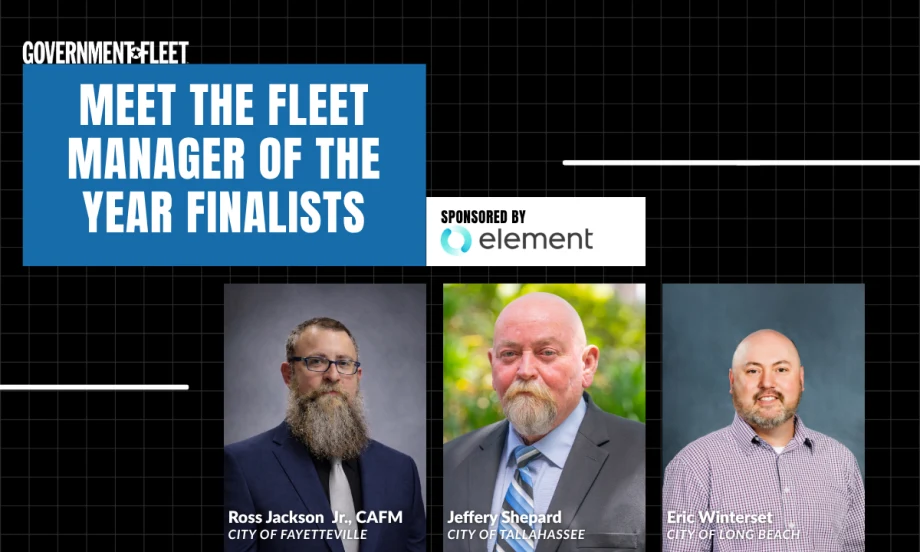
The 2026 Fleet Manager of the Year will be announced at the Government Fleet Expo & Conference event in Long Beach, California.
Credit:
Government Fleet
8 min to read
With GFX 2026 getting closer, the field is set for one of the event’s longtime recognitions. The finalists for the 2026 Public Sector Fleet Manager of the Year award have been announced, putting the spotlight on three fleet leaders whose work has delivered measurable results for their agencies and communities.
Sponsored by Element Fleet, the award recognizes public sector fleet managers for performance across core areas of the job, including planning, maintenance, technology implementation, customer service, and fuel management. The honor has long served as a way to highlight not just individual leadership, but the broader operational decisions shaping today’s fleet departments.
This year’s winner will be announced during The Honors Celebration at the Government Fleet Expo & Conference, scheduled for June 9-12, 2026, in Long Beach, California. Until then, here’s a look at the three finalists and the work that earned them a place in this year’s top group.
Who is up for the award in 2026? Here’s a closer look at the finalists.
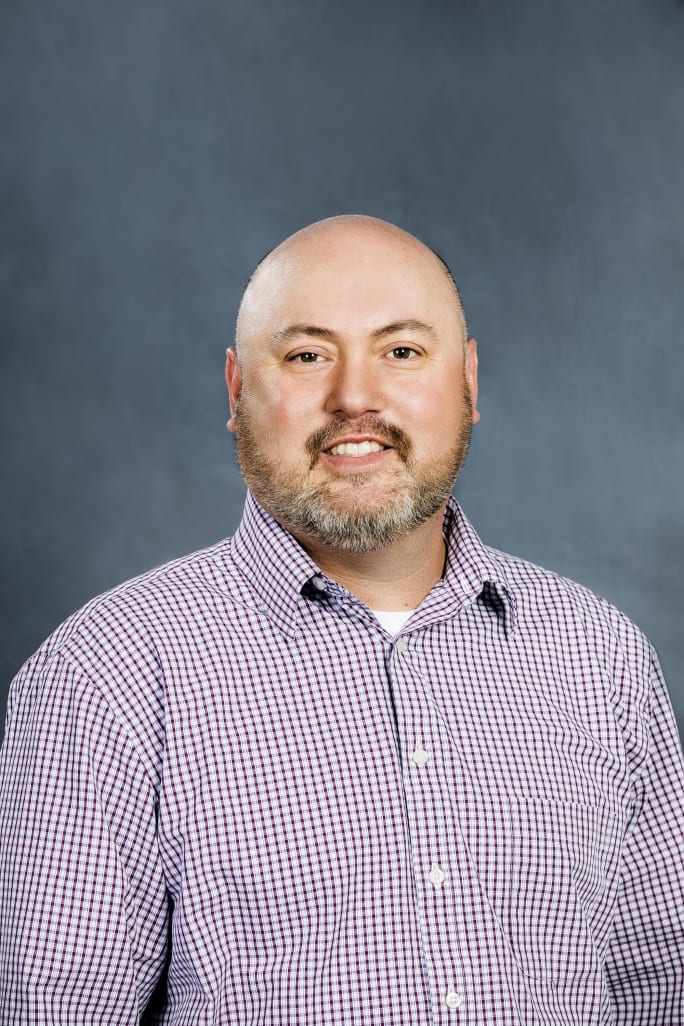
Eric Winterset, Fleet Services Manager, Financial Management | Fleet Services Bureau, City of Long Beach, California
Credit:
Eric Winterset
Time Spent in Fleet: 28 years
How You Got Started: I got my start working in my father’s light‑duty and equipment repair shop, where I learned the fundamentals of vehicle maintenance and developed a strong work ethic early on. At 23, I moved to Long Beach and began my professional career with Ryder Transportation, gaining hands‑on experience in fleet operations and commercial maintenance.
From there, I transitioned into the transit industry, where I spent six years expanding my technical knowledge and understanding of large‑scale fleet systems.
For the past ten years, I’ve been with the City of Long Beach, continuing to build my expertise in municipal fleet operations and public‑sector service.
Enjoyable Aspects of Your Job: Mentoring and watching staff develop over the years.
Early in my career, a mentor took a chance on me and opened the door to the administrative side of fleet. That experience completely changed my perspective and showed me that talent can come from many different backgrounds.
Being able to pay that forward—helping employees develop their skills, gain confidence, and step into leadership roles—has been the most rewarding part of every position I’ve held. Seeing people succeed is truly the highlight of my work.
Biggest Challenges: Most fleet professionals in California would point to the CARB mandates and the transition to electric vehicles—especially the struggle to build out the necessary infrastructure—as the biggest challenge facing our industry.
While that is certainly a major hurdle, I believe an even greater long‑term concern is the growing technician shortage and the declining number of young people entering the trades. We need to start building the next generation of technicians now if we want a sustainable workforce in the future.
Over the next decade, a tremendous amount of institutional knowledge will need to be passed on, and without a strong pipeline of new talent, that gap will only widen.
Upcoming Exciting Projects: We’re currently managing several major EV infrastructure projects across the city. This includes installing 12 DC fast chargers at the Fleet facility, building out 112 Level II charging ports in the City Hall parking garage, and adding Level II chargers at six additional city sites, each with 6–8 ports.
We’re also exploring a public‑private partnership to develop a large‑scale charging station on available city property, which would expand access for both municipal and community use.
With the 2028 Olympics approaching—and Long Beach hosting 11 events—these projects are especially critical. Fleet Services will be behind the scenes supporting every department involved, and our EV infrastructure expansion is a key part of ensuring the city is ready for the increased operational demands.
What Colleagues Might Not Know About You: I was once a High School Basketball coach a long time ago and had aspirations to be an NBA scout at one time.
Favorite Fleet Memory: There have been a lot of memorable moments over the years, but the ones I enjoy most are often the events that aren’t strictly Fleet‑related. The baseball and basketball games with staff, the employee car shows, and even the simple after‑hours meetups where we grab a drink and decompress—those are the times that really stand out.
They build camaraderie, strengthen relationships, and remind me how much I appreciate the people I get to work with every day.
Best Advice: I once heard Nick Saban say something that stuck with me, and over the years several mentors have reinforced the same message: always lead with compassion. Treat people well on your way up in your career, because you may cross paths with them again on the way down.
That perspective has shaped how I approach leadership and how I show up for others.
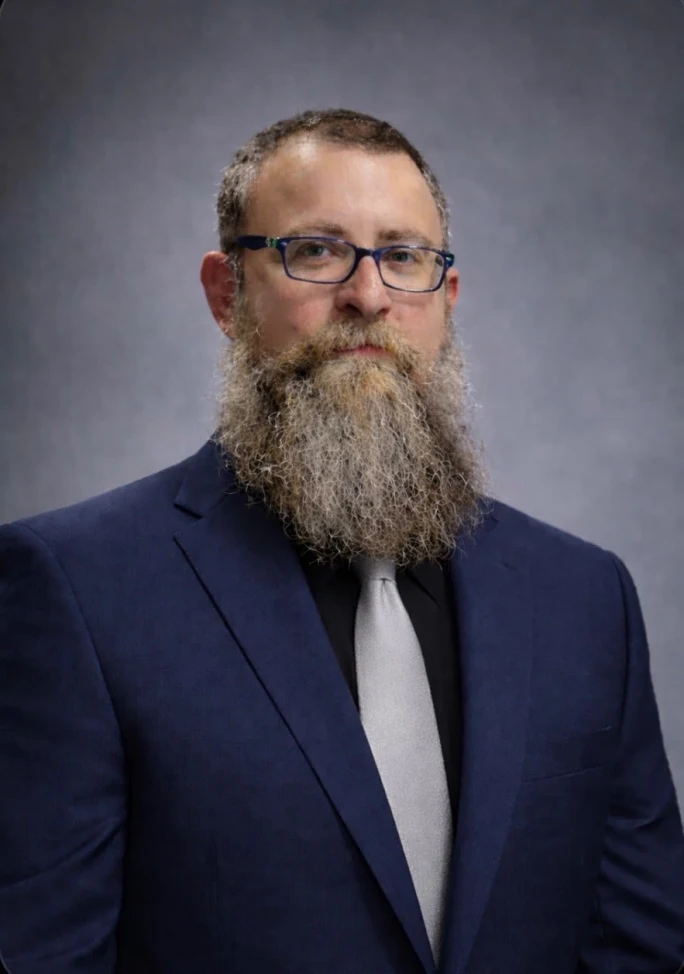
Ross Jackson Jr., CAFM, Fleet Operations Superintendent, Fleet Operations | Public Works Department, City of Fayetteville, Arkansas
Credit:
Ross Jackson Jr.
Time Spent in Fleet: I’ve spent 23 years in the fleet and automotive industry, or about 25 years if you count my time in trade school working on college and customer vehicles for hands-on experience.
How You Got Started: Right out of high school, I planned to follow in my father’s footsteps and become a police officer—he served for 30 years. I even started college pursuing a degree in Criminal Justice.
Around that time, a friend asked me to help work on his 1967 Ford Mustang GT Fastback, and that moment changed everything—I was hooked on mechanics. I enrolled in trade school and was honored to receive the Student of the Year award.
From there, I started at a local dealership changing oil, completed OEM training, and became a certified technician. During the housing crisis, work slowed, and the shop split technicians into teams to compete for hours.
The teams that billed out the highest flat rate hours kept their jobs. That experience taught me the value of hard work and accountability early on. It also taught me to look for more stability even though my team billed out the most hours.
I later joined Placer County Fleet Services in California, where I spent over 14 years in various roles. Eventually, my family and I made the decision to relocate to Arkansas for a better quality of life and to pursue leadership opportunities. After a short time with the University of Arkansas, I joined the City of Fayetteville as Fleet Manager.
Today, leading a team that supports a diverse fleet of nearly 750 assets across all city departments has been the most rewarding experience of my career.
Enjoyable Aspects of Your Job: What I enjoy most is the people and the variety. Fleet touches every department, so you’re constantly working with different teams, challenges, and missions. There’s also a strong problem-solving component—no two days are the same. Being part of supporting each department’s mission and helping improve how we operate is what makes the work rewarding.
Biggest Challenges: When I came into my current role, there were several areas that needed attention—PM compliance, vehicle downtime, communication with departments, and fully utilizing our FMIS.
There were also concerns from key departments about turnaround times and reliability.
As a team, we focused on building a stronger culture, improving communication, and reinforcing that fleet is an extension of every department we support. We’ve made significant progress in those areas, and while there’s always more to improve, we’re proud of how far we’ve come together.
Upcoming Exciting Projects: We’re continuing to focus on integrating telematics and emerging technologies into our daily workflows to improve efficiency and decision-making. We’re also working to further digitize processes like DVIRs and expand how data supports maintenance and operations.
Another big focus is continuing to build a culture of equipment care beyond fleet and into the operations we support. We’ve seen strong buy-in so far, and that’s been a game changer.
We’re also continuing to evaluate EV and EVSE expansion where it makes sense based on utilization and application, ensuring we support sustainability without impacting service delivery.
What Colleagues Might Not Know About You: Outside of work, I enjoy gardening, reading, and extremely spicy food.
Favorite Fleet Memory: One of my favorite memories is from my time working in the Lake Tahoe area. Winter road calls around North Lake Tahoe were always an adventure—seeing snow stacked up to second-story roofs and even power lines was incredible.
Working in that environment, often with limited access to parts and resources, really pushed you to problem-solve and adapt. I also had the opportunity to work alongside some of the best mechanics, fabricators, and operators I’ve ever met, which made a lasting impact on how I approach the profession today.
Best Advice: Learn to collaborate and communicate effectively, and take the time to understand the mission of the departments you support. Spend time in the field to see how equipment is actually used and what challenges your customers face.
From there, look for ways to make both their job and yours easier. Share that knowledge with your team, and most importantly, listen—your staff brings valuable experience that can make a real difference.
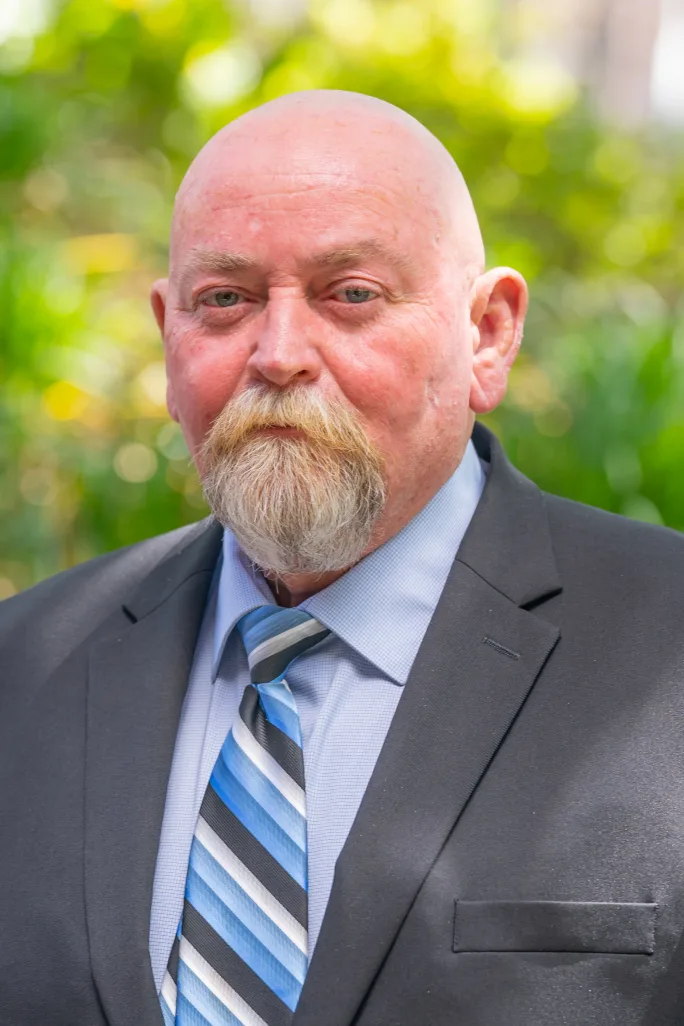
Jeffery Shepard, Director, Fleet Management, City of Tallahassee, Florida
Credit:
Jeffery Shepard
Time Spent in Fleet: 33 years in public service, with more than two decades dedicated to fleet management and leadership.
How You Got Started: I started working at 16, earning my GED while gaining hands-on experience in farm and construction equipment repair. From there, I entered the public fleet industry and worked my way up through the ranks from technician to supervisor to Fleet Director. I was learning every aspect of the operation along the way.
Enjoyable Aspects of Your Job: Developing people and building strong teams. Seeing employees grow through training, certifications, and career progression is one of the most rewarding parts of my role.
Biggest Challenges: Recruiting and retaining skilled technicians in a competitive market, while also keeping up with rapidly evolving vehicle technology and alternative fuel systems.
Upcoming Exciting Projects: Expanding our use of electric and alternative fuel vehicles, improving data-driven fleet management systems, and continuing to enhance our training and internship programs to build the next generation of technicians.
What Colleagues Might Not Know About You: I came up through the trade side of the business and still enjoy getting into the shop when I can. I also take pride in mentoring and helping others find their path in fleet.
Favorite Fleet Memory: Seeing our technicians grow and progress in their careers by earning certifications, promotions, and recognition. It has been incredibly rewarding.
Equally meaningful are the awards and special events we’ve hosted to support disadvantaged youth, giving back to the community, and creating opportunities that extend beyond fleet operations.
Best Advice: Stay committed to learning, take pride in your work, and invest in your people because a strong team will carry you through any challenge.
Subscribe to Our Newsletter
More Operations

ENC Unveils its ZAVIR Medium-Duty Shuttle
Two variants of the concept shuttles were revealed: a low-floor configuration and a high-floor configuration.
Read More →
Could Your Next Fleet Technician Start as an Intern?
What if your next technician hasn’t worked in a fleet shop yet? What fleets are doing to free up time.
Read More →
How Phoenix Is Building Its Next Generation of Fleet Technicians
With more than 8,000 vehicles and pieces of equipment to maintain, the City of Phoenix could not afford to wait for fully trained technicians to walk through the door. Instead, they revamped their entire workforce strategy and showed how public fleets can create their own talent pipeline while preparing existing employees for increasingly complex vehicles.
Read More →
What’s Slowing Your Fleet Down?
Could a change in how work gets done help your fleet return vehicles to service sooner?
Read More →
Can Public Fleets Trust the Data Driving Their Decisions?
Public fleets have more data than ever, but inconsistent records and missing information can still undermine maintenance, replacement, and cost decisions.
Read More →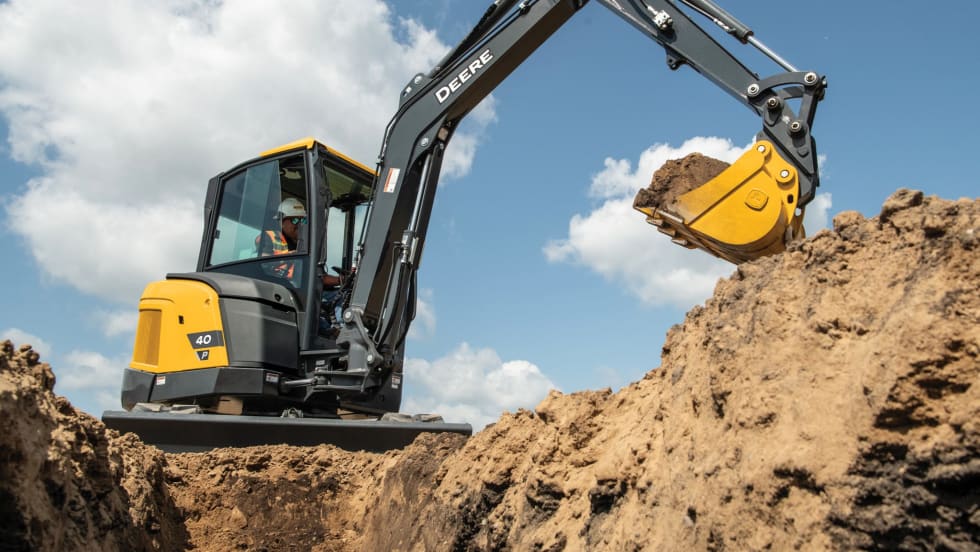
John Deere Introduces 40 P-Tier Compact Excavator
John Deere is adding a compact excavator designed for crews that need to move equipment between jobsites and handle multiple types of work with one machine. The 40 P-Tier weighs less than 10,000 pounds and offers configurable hydraulics, attachment options, and connected fleet-management capabilities.
Read More →
How Leading Fleets Improve and Why Business Plans Matter
This week, we look at what past Leading Fleet winners can teach us about making progress, plus how to build a business plan your fleet will actually use.
Read More →
Nominate a Fleet Leader for the 2027 Public Fleet Hall of Fame
Do you know a fleet leader who has made a lasting impact on the industry? Nominate this fleet professional for the 2027 Public Fleet Hall of Fame.
Read More →
Why Fleet Business Plans Need Three Perspectives
A fleet business plan should help agency leaders understand the fleet’s value, give the organization a clear direction, and establish shared expectations with customer departments.
Read More →
How Oil Analysis, Safety Technology, and Fleet Awards Drive Improvement
What happens when fleets let measured results guide their next decision?
Read More →