




Related: Lowering Costs With Ride Hailing
How to Start a Motor Pool
One way fleets can reduce their vehicle count and expenses is to pool their vehicles for employees from multiple departments to use. But where do you start? Fleets share some tips to help get the ball rolling.

Roselynne Reyes・Senior Editor
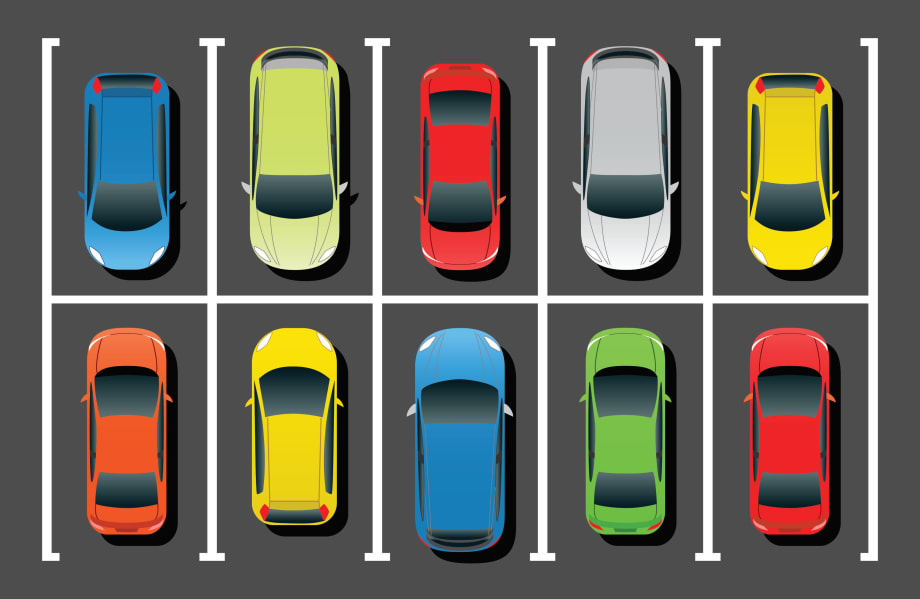
Fleets with a lot of vehicles but low utilization can set up motor pools reduce costs. Illustration: Getty Images
4 min to read
Fleets with a lot of vehicles but low utilization can set up motor pools reduce costs. Illustration: Getty Images
A common solution for agencies interested in increasing fleet utilization and reducing vehicle count is to pool vehicles together, allowing users to share assets instead of assigning them to specific users or departments. But setting up a motor pool can be a daunting task, especially if it means taking dedicated vehicles away from user departments. And once a motor pool is established, when is it successful?
Government Fleet spoke to fleet managers who oversee motor pools and compiled tips on how to start a motor pool and keep it running efficiently.
Before You Start
Is your fleet ready for a motor pool? Before starting one, it is important to determine need. Michael Scacco, fleet maintenance manager for the City of Stamford, Conn., noticed that some user departments were always low on vehicles, while others left vehicles sitting in their lot all day.
Steven Patterson, fleet manager for the City of Norfolk, Va., said his fleet looked at utilization records and staffing before deciding whether there was a need. The city didn’t need to add positions when launching its motor pool late last year. But it did make sure staff was ready to take on the additional work, including fuel, regular inspections, and washes.
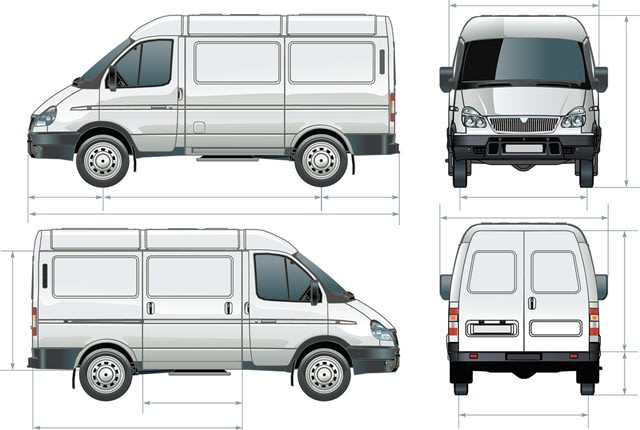
In order to get the most benefit from a motor pool, fleets should spec vehicles that are versatile and will be used often. Illustration: Getty Images
Choose the Right Vehicles
When pooling fleet vehicles, the goal is to maximize utilization. Amanda Wilson, CAFM, fleet manager for Indiana University, suggested choosing vehicles that can be widely used. The university motor pool is open to faculty, staff, and students, and includes sedans, vans, service trucks, and even a 14-passenger mini bus. But eight- or nine-passenger SUVs are the most popular models.
It is also important to consider needs. Patterson noted that, if he were to start over, he would stick to hybrid vehicles, as plug-in vehicles require infrastructure investment.

Starting a motor pool can require a lot of research. Before any decisions are made, fleets should research the programs, technology, and solutions available. Illustration: Getty Images
Utilize Technology
Times have changed, and the motor pool attendant with a key box filled with loose keys just isn’t efficient. Scacco recommended an automated key system, which eliminates the need for an on-site attendant and keeps everything organized.
“Whether you have 100 cars of 1,000, it can be tough to track utilization,” he said. “It takes out a lot of human error and it’s painless.”
The City of Norfolk also utilizes an automated key locker, but Patterson noted that fleet staff still serve an important role in the motor pool. Staff members conduct biweekly inspections for fuel, damage, and cleanliness inside and out.
The Experts | ||
|---|---|---|
 |  |  |
Steven Patterson, fleet manager, City of Norfolk, Va.
| Michael Scacco, fleet maintenance manager, City of Stamford, Conn.
| Amanda Wilson, CAFM, fleet services manager, Indiana University
|
Start Small
There is a time commitment in setting up a motor pool, but there is no minimum amount of vehicles required to start one. The City of Norfolk’s pool consists of six vehicles, which has allowed the agency to analyze what works and what does not. So far, the motor pool has received positive feedback, and Patterson envisions expanding the fleet moving forward. For now, the focus is on staying manageable.
It may be tempting to add vehicles if the pool is successful, but it is important to move slowly. Indiana University supplements its motor pool with rented vehicles when demand is high rather than adding vehicles to meet a short-term need.

A fleet's job is not done once the motor pool is set up. The best way to see success is to analyze results and adjust the program as needed. Illustration: Getty Images
Adjust as Necessary
This is not a static project. Once a motor pool is set up, fleets should see what does and doesn’t work. Wilson said the university fleet regularly surveys customers to see what they think about motor pool operations. Customers will regularly offer comments on specific staff members or on specific vehicles. In the past users did not like the handling of a certain vehicle, for example, so fleet chose different models moving forward.
The City of Stamford has also made major changes over time. The city began tracking utilization and found that, in some instances, several employees would check out vehicles and drive to the same conference instead of carpooling. Making stakeholders aware of how the fleet was being used increased city awareness about cutting fleet expenditures and reduced the motor pool from 89 vehicles to 29 vehicles over a year and a half.
Subscribe to Our Newsletter
More Operations

Is Keeping Older Fleet Vehicles Really Saving Money?
Is keeping vehicles longer saving money, and what happens when a diagnostic test points to the wrong fix?
Read More →
How Smart Fleet Strategy Can Help Local Government Agencies Do More with Less
Keeping a vehicle longer may ease this year’s budget, but what does it cost the next one? A closer look at fleet decisions can reveal opportunities to reduce spending while protecting essential services.
Read More →
Connect with Government Fleet on LinkedIn
From industry news and fleet management strategies to conversations with peers, Government Fleet's LinkedIn page offers public-sector fleet professionals another way to stay informed and connected.
Read More →
Town of Queen Creek Named Most Successful Fleet Award Winner of Inaugural RTA Fleet Success Awards
Five fleets were honored at RTA Connect 2026 in Chicago for excellence across resource efficiency, intentional culture, risk management, and stakeholder satisfaction.
Read More →
Sponsored•October 14, 2026
A buyer's guide to fleet management software in 2027
Buying fleet management software in 2027 means looking beyond features and price. As fleet operations, technology and expectations evolve, this guide explores what today’s fleet professionals should consider when choosing a system that can deliver value now and adapt to what comes next.
Read More →
Hazard Alerts, Fleet Car Sales Rise and a New Shuttle Concept
Fleet car sales doubled, but the bigger picture tells a different story in this week’s roundup.
Read More →
How St. Johns County Turned Fleet Data Into Better Replacement Decisions
St. Johns County, Florida, had fleet data, but turning it into reliable decision guidance was another matter. Instead of starting over with a new fleet management system, the county connected existing tools and built a scoring system that gives managers an objective look at fleet health.
Read More →
Fleet Forward Conference Introduces One-Day Passes for 2026
New one-day registration lets fleet professionals attend Tuesday, Wednesday, or Thursday, with passes available for $249.
Read More →
ENC Unveils its ZAVIR Medium-Duty Shuttle
Two variants of the concept shuttles were revealed: a low-floor configuration and a high-floor configuration.
Read More →
Could Your Next Fleet Technician Start as an Intern?
What if your next technician hasn’t worked in a fleet shop yet? What fleets are doing to free up time.
Read More →