




Similar Content: Better Management Through Adapting to Change
How Connecting with Fleet Peers Can Help Your Operation Thrive
Utah Fleet Manager Thomas Volt talks about pandemic challenges and how brainstorming with others in the same profession can help you create new efficiencies.

Lexi Tucker・Senior Editor
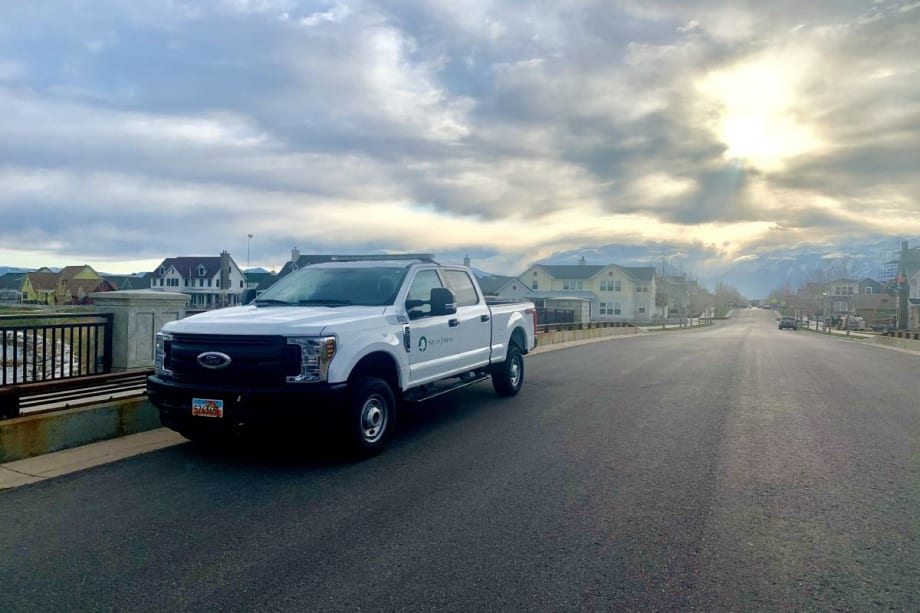
Utah Fleet Manager Thomas Volt talks about pandemic challenges and how brainstorming with others in the same profession can help you create new efficiencies.
Photo: South Jordan City, Utah
3 min to read
Thomas Volt, fleet manager for South Jordan City, Utah, was drawn to working in government fleet as a technician by the customer base. He enjoyed the fact that he wasn’t badgered by customers to do half a job because they couldn’t afford to do it right and took pride in serving the people who served the community.
While working as a technician, he noticed fleet managers were given more in-depth possibilities to serve the city as a whole. Being a problem-solver, he wanted more opportunities to tackle the challenges that came with the role of fleet manager and was excited to pursue this path.
“Discovering current needs and planning for the constantly changing future presents challenges that keep me engaged,” he said.
Staying Afloat During the Pandemic
Like many fleet managers, 2020 presented an incredible challenge for Volt and his staff. Keeping employees safe, morale up, doors open, and service levels consistent during the pandemic were just a few items he and his team had to juggle.
“We claim success over the challenge, but it has left scars. We’re still overcoming the hurdles created by the pandemic, but we’ve been able to keep whole,” he explained.
Having an excellent staff that’s invested in the success of the operation, as well as a supportive upper management team that fosters ideas and improvements without micromanagement are two factors he credits with supporting the department’s ability to thrive as best it can during an unprecedented time.
“Having this combination, especially during disasters, is what has kept everything moving as efficiently as it has,” he said.
Gathering Fleet Manager Input
He and other fleet managers in the Utah area have formed a local networking group affiliated through the American Public Works Association (APWA) Utah Fleet Chapter. This group created the official Utah chapter, but this monthly meeting is less formal and not widely advertised. Fleet managers from other cities and agencies in the area come together regularly to discuss current issues and solutions, plan for training and conferences, and share data. He said this group has been a valuable tool for him.
“We’ve helped each other with everything from preparation for the Certified Public Fleet Professional (CPFP) test to co-hosting trainings, determining how to deal with troublesome vendors, and helping each other with build specifications on equipment,” he said.
Evolving Technology
When it comes to technology, Volt said fleet management information software (FMIS) has been invaluable. Constant improvements made by software companies to improve the functions of their products has had a profound impact on his operation.
“From fuel management to GPS, most FMIS companies have an integration module to make combining these tools far simpler than it used to be,” he said.
From data entry, to pulling and analyzing data, Volt no longer has to pick through reports to get the data he needs to run the fleet.
“An example is our ‘Points Report.’ It used to be a four-report minimum to combine everything I needed to assign a point rating to my assets; now I just have to verify my data is correctly entered and run a single report. Improvement is data driven — without clean, easy to access data, we’re dead in the water. The improvements in FMIS makes it is easy for people to put data in the right places, as it’s cleaner and helps with accurate reporting,” he said.
Tough, but Rewarding
If there was one thing Volt wished someone would have told him when he started that he wants to pass on, it’s how rewarding the job is.
“I anticipated large amounts of stress with the position, and I wasn’t wrong; but I never thought it could be as rewarding as it is. You get to see firsthand how what you do makes a difference to an entire community” he explained.
Subscribe to Our Newsletter
More Operations
Is Keeping Older Fleet Vehicles Really Saving Money?
Is keeping vehicles longer saving money, and what happens when a diagnostic test points to the wrong fix?
Read More →
How Smart Fleet Strategy Can Help Local Government Agencies Do More with Less
Keeping a vehicle longer may ease this year’s budget, but what does it cost the next one? A closer look at fleet decisions can reveal opportunities to reduce spending while protecting essential services.
Read More →
Connect with Government Fleet on LinkedIn
From industry news and fleet management strategies to conversations with peers, Government Fleet's LinkedIn page offers public-sector fleet professionals another way to stay informed and connected.
Read More →
Town of Queen Creek Named Most Successful Fleet Award Winner of Inaugural RTA Fleet Success Awards
Five fleets were honored at RTA Connect 2026 in Chicago for excellence across resource efficiency, intentional culture, risk management, and stakeholder satisfaction.
Read More →
Sponsored•October 14, 2026
A buyer's guide to fleet management software in 2027
Buying fleet management software in 2027 means looking beyond features and price. As fleet operations, technology and expectations evolve, this guide explores what today’s fleet professionals should consider when choosing a system that can deliver value now and adapt to what comes next.
Read More →
Hazard Alerts, Fleet Car Sales Rise and a New Shuttle Concept
Fleet car sales doubled, but the bigger picture tells a different story in this week’s roundup.
Read More →
How St. Johns County Turned Fleet Data Into Better Replacement Decisions
St. Johns County, Florida, had fleet data, but turning it into reliable decision guidance was another matter. Instead of starting over with a new fleet management system, the county connected existing tools and built a scoring system that gives managers an objective look at fleet health.
Read More →
Fleet Forward Conference Introduces One-Day Passes for 2026
New one-day registration lets fleet professionals attend Tuesday, Wednesday, or Thursday, with passes available for $249.
Read More →
ENC Unveils its ZAVIR Medium-Duty Shuttle
Two variants of the concept shuttles were revealed: a low-floor configuration and a high-floor configuration.
Read More →
Could Your Next Fleet Technician Start as an Intern?
What if your next technician hasn’t worked in a fleet shop yet? What fleets are doing to free up time.
Read More →