Hurricanes Harvey and Irma hit the U.S. in late August and early September, wreaking havoc in Texas and Florida. Here’s the fleet impact from public agencies caught in the hurricanes’ paths.
by Thi Dao & Roselynne Reyes
October 3, 2017
Photo: Getty Images
3 min to read
Photo: Getty Images
Harvey
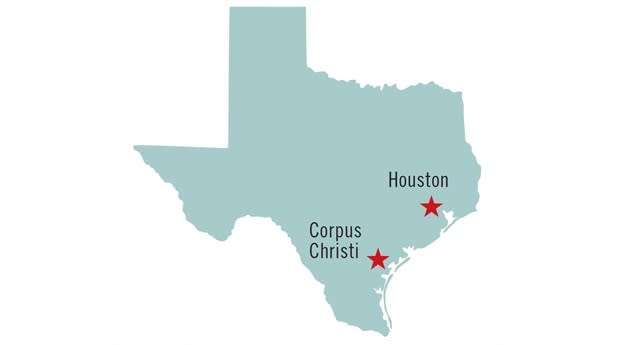
Corpus Christi was lucky to be on the “better” side of the hurricane, the side with less damage. The city’s fleet crew sheltered in place for three days to work on first responder units and brush trucks for recovery efforts. There was no fleet facility damage, and only minor window damage to some cars.
Replenishing fuel for generators was the biggest concern. “We used our fuel trucks to do that, and also made sure we kept the fueling station for our first responders,” said Jim Davis, director of fleet maintenance.
Ad Loading...
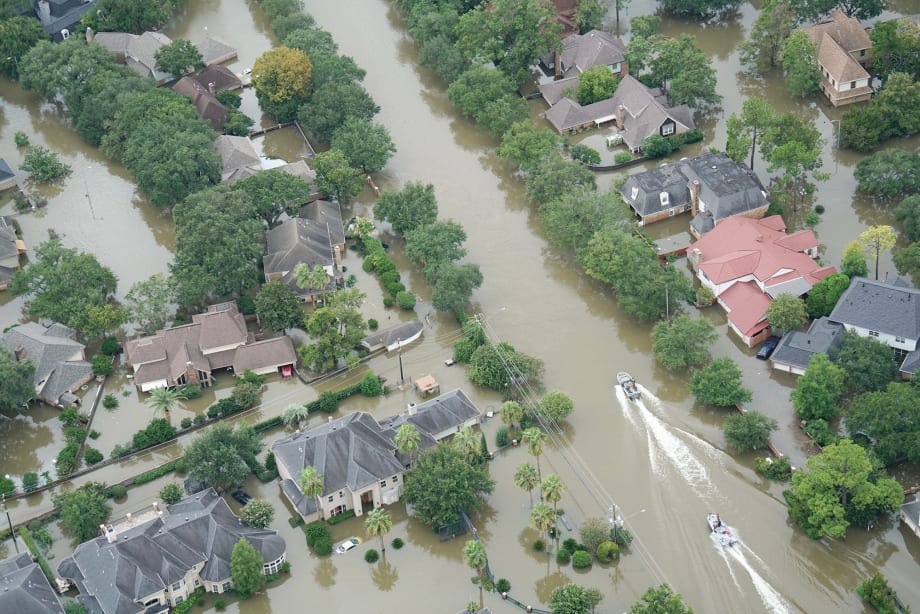
About 350 vehicles in the City of Houston fleet were impacted by the hurricane, with 280 considered a total loss. Many of these vehicles were used by first responders in the Police, Fire, and Public Works Departments, though some were parked in garages and lots in downtown Houston. One of the fleet’s 25 maintenance facilities was inundated with water and is considered a total loss. The rest experienced little to no damage.
Fleet’s primary role was maintaining fuel levels for emergency operations, and quickly servicing and repairing emergency response vehicles. Staff worked 24 hours a day during the storm to keep emergency responders moving and saving lives. Although debris cleanup is expected to continue for months, during which time fleet will continue maintaining Solid Waste equipment, most fleet operations are back to normal.
Irma
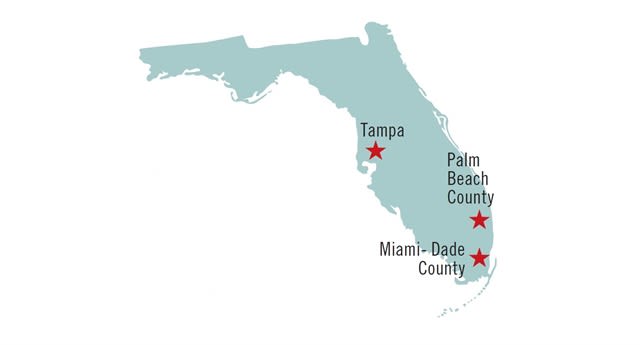
The City of Tampa fleet had minimal damage to its facility, with vehicle damage still being assessed. Fleet assigned two technicians and a mobile truck to each of the city’s emergency response centers.
A 12-man crew stayed at the fleet maintenance facility before and during the hurricane for rapid support of tires, parts, and maintenance. Fleet staff also played a substantial role in emergency fuel planning and delivery, monitoring fuel at seven sites before and during the storm.
Before the storm, the Palm Beach County fleet ensured road clearing equipment, dump trucks, and other response equipment were ready to use and ensured over 100 emergency generators around the county were at maximum fuel level. After the storm, fleet continued refilling these generators until power was restored. Only one fleet vehicle has been identified with damage so far, and the fleet’s facilities sustained minor damage.
Ad Loading...
Miami-Dade County’s fleet suffered power losses, some flooding, and one vehicle with notable damage from a downed tree. Alex Alfonso, fleet management division director for Miami-Dade County, said major challenges included maintaining power at facilities and maintaining communication at the fleet’s automated fuel sites. In some cases, fleet personnel manually dispensed fuel to county vehicles. Fuel was also difficult to source, due to refineries shutting down after Harvey and the limited availability of transport carriers before Irma.
Read more about the fleet impact from Hurricane Irma here.
St. Johns County, Florida, had fleet data, but turning it into reliable decision guidance was another matter. Instead of starting over with a new fleet management system, the county connected existing tools and built a scoring system that gives managers an objective look at fleet health.
With more than 8,000 vehicles and pieces of equipment to maintain, the City of Phoenix could not afford to wait for fully trained technicians to walk through the door. Instead, they revamped their entire workforce strategy and showed how public fleets can create their own talent pipeline while preparing existing employees for increasingly complex vehicles.
Public fleets have more data than ever, but inconsistent records and missing information can still undermine maintenance, replacement, and cost decisions.
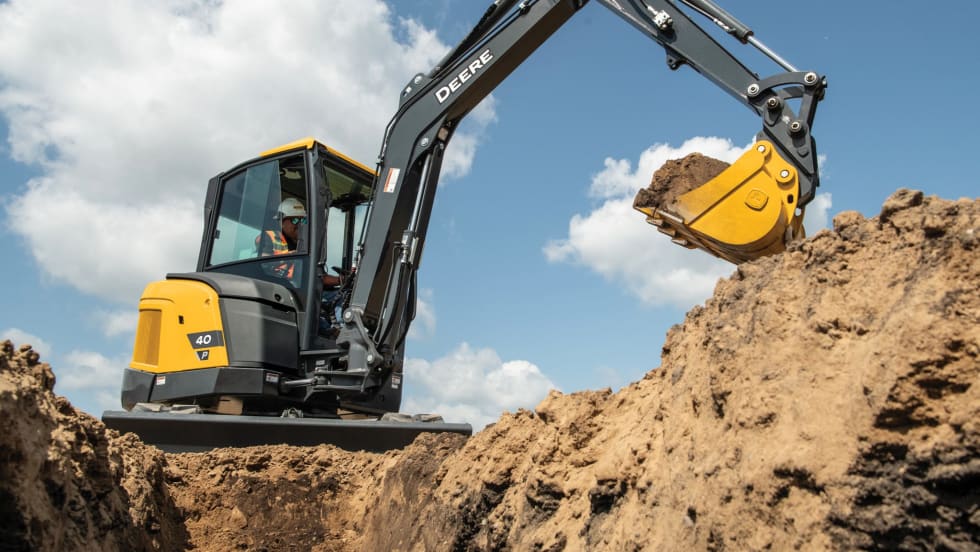
John Deere is adding a compact excavator designed for crews that need to move equipment between jobsites and handle multiple types of work with one machine. The 40 P-Tier weighs less than 10,000 pounds and offers configurable hydraulics, attachment options, and connected fleet-management capabilities.
This week, we look at what past Leading Fleet winners can teach us about making progress, plus how to build a business plan your fleet will actually use.