




Garden State Parkway Reduces Operating Costs Utilizing Diesel
Diesel fuel provides Garden State Parkway's vehicles with increased horsepower and torque, better fuel economy, engine longevity, and longer vehicle service intervals.
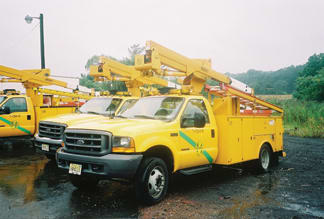
New Jersey Garden State Parkway uses diesel engines in 90 percent of its maintenance vehicles, reducing service intervals and operating costs.
In 1992, New Jersey Garden State Parkway began using diesel engines in 32 of its fleet vehicles to combat high operating costs. Today, more than 90 percent of the fleet’s 300 maintenance vehicles run on diesel fuel.
“Due to the severe service of our units and extended idling time, diesel has been a cost benefit to us,” says John Tobia, Garden State Parkway fleet manager. “Using diesel allowed us to increase our service life and, at the same time, reduce our operating cost.”
Pilot Test Proved Diesel Fuel Efficiency and Cost Savings
Tobia analyzed the cost of diesel in 1992 with a pilot test of 32 pickup trucks. As each pickup was eligible for replacement, it was converted to diesel engines. In the first nine months of operation, the conversion cost was completely recouped.
“We saved $332,000 in fuel and reduced maintenance costs substantially during the pilot test,” said Tobia.
The Garden State Parkway fleet consists of Ford Super-Duty pickup trucks outfitted with Power Stroke diesel engines (both 7.3L and the new 6.0L) built by International, as well as International trucks used by the maintenance department. The police drive Crown Victorias and Durangos, and the administration department uses Ford, Chevy, and Dodge vehicles. Currently, only vehicles used by the maintenance department run on diesel because of the wear and tear those vehicles undergo.
The effects of changing to diesel significantly impact the vehicles’ replacement cycles. Gasoline-powered pickup trucks are replaced at four years, while diesel pickups typically run two years longer, and are now replaced at six years.
Diesel Fuel Provides Better Fuel Economy and Engine Longevity
Since switching to diesel engines, maintenance has been reduced and fuel economy has increased. According to Tobia, the many advantages of using diesel fuel include:
Increased horsepower and torque.
Better fuel economy.
Longer intervals between vehicle service, thus reducing operating cost.
Longevity of engines. “It is important that preventive maintenance standards are adhered to,” says Tobia. “We run a strict maintenance schedule, which further allows us to reduce operating costs.” Since switching over to diesel, the maintenance fleet has replaced fewer engines. “Since 1992, we’ve lost only three engines in our pickup fleet,” says Tobia. Fleet Looking Toward Using Biodiesel Alternative Fuel
Tobia also pilot-tested biodiesel fuel in 1993 for a period of one year in a Ford F-250 and three International trucks with dump bodies, as well as in a John Deere articulated loader, a John Deere forklift, and a Toro mower. During the test, vehicles ran on 20-percent biodiesel (a soybean and vegetable oil blend) and 80-percent conventional diesel. “We were the first fleet in New Jersey to do a biodiesel pilot program,” said Tobia. The primary benefit of biodiesel is reduced emissions and exhaust. Tobia also noted that he had engine modifications using biodiesel. Other New Jersey agencies have adopted Garden State Parkway’s findings on biodiesel. Tobia says that because of the positive results they experienced with the biodiesel pilot program, Garden State Parkway plans to implement the use of biodiesel fuel in its vehicles to help meet future emissions regulations.
More Operations

Fleet Forward Conference Introduces One-Day Passes for 2026
New one-day registration lets fleet professionals attend Tuesday, Wednesday, or Thursday, with passes available for $249.
Read More →
ENC Unveils its ZAVIR Medium-Duty Shuttle
Two variants of the concept shuttles were revealed: a low-floor configuration and a high-floor configuration.
Read More →
Could Your Next Fleet Technician Start as an Intern?
What if your next technician hasn’t worked in a fleet shop yet? What fleets are doing to free up time.
Read More →
How Phoenix Is Building Its Next Generation of Fleet Technicians
With more than 8,000 vehicles and pieces of equipment to maintain, the City of Phoenix could not afford to wait for fully trained technicians to walk through the door. Instead, they revamped their entire workforce strategy and showed how public fleets can create their own talent pipeline while preparing existing employees for increasingly complex vehicles.
Read More →
What’s Slowing Your Fleet Down?
Could a change in how work gets done help your fleet return vehicles to service sooner?
Read More →
Can Public Fleets Trust the Data Driving Their Decisions?
Public fleets have more data than ever, but inconsistent records and missing information can still undermine maintenance, replacement, and cost decisions.
Read More →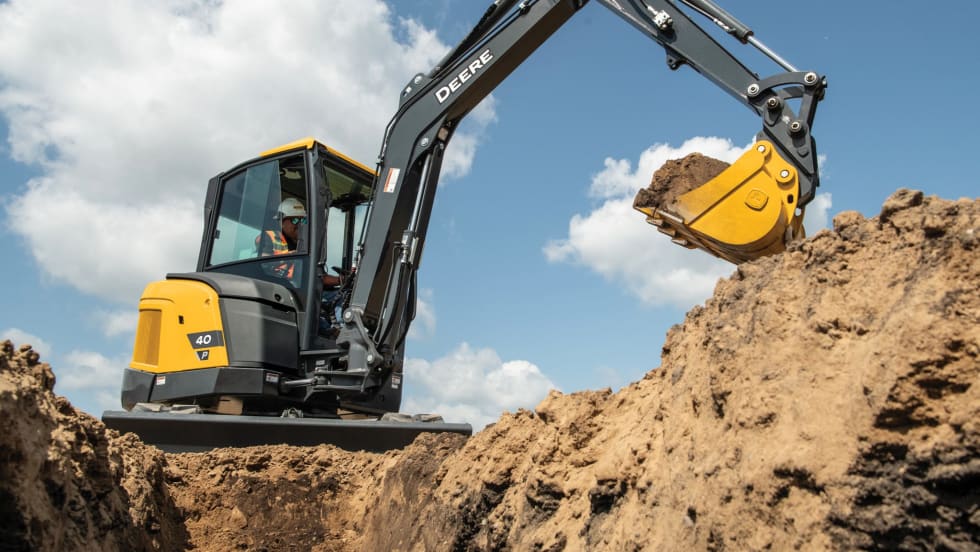
John Deere Introduces 40 P-Tier Compact Excavator
John Deere is adding a compact excavator designed for crews that need to move equipment between jobsites and handle multiple types of work with one machine. The 40 P-Tier weighs less than 10,000 pounds and offers configurable hydraulics, attachment options, and connected fleet-management capabilities.
Read More →
How Leading Fleets Improve and Why Business Plans Matter
This week, we look at what past Leading Fleet winners can teach us about making progress, plus how to build a business plan your fleet will actually use.
Read More →
Nominate a Fleet Leader for the 2027 Public Fleet Hall of Fame
Do you know a fleet leader who has made a lasting impact on the industry? Nominate this fleet professional for the 2027 Public Fleet Hall of Fame.
Read More →
Why Fleet Business Plans Need Three Perspectives
A fleet business plan should help agency leaders understand the fleet’s value, give the organization a clear direction, and establish shared expectations with customer departments.
Read More →