





What Former No. 1 Fleets Are Up to Now
Previous winners of the No. 1 Leading Fleet Award continue to lead the industry and improve their operations.
July 15, 2019

3 min to read
The Elite Fleets are former No. 1 fleets that have continued to thrive, working to improve their own operations and sharing their expertise with the fleet community.
We checked in with this year’s Elite Fleets to see how their operations have changed in the past year, and how they are giving back to the fleet industry and helping other fleets succeed.
City of Mesa, Ariz. – No. 1 in 2014
Led by Pete Scarafiotti, CAFM, CEM, CPFP, fleet director and automotive engineer
Fleet size: 2,000
Staff size: 90
Operating budget: $18M
Initiatives: The city changed the way it replaces vehicles. Previously, vehicles were slated for replacement based on life-to-date operational cost. Now, the fleet considers technology, changes to the operational environment, and anticipated operating cost.
Leading the Industry: The City of Mesa manages one of the largest compressed natural gas (CNG) fleets in the state and is expanding its electric vehicle fleet. Fleet staff members are active and have leadership roles in NAFA, the Association of Equipment Management Professionals, and FleetPros.
City of Boise, Idaho – No. 1 in 2015
Led by Craig Croner, CPFP, administrative services manager
Fleet size: 1,571
Staff size: 17.5
Miles traveled annually: 4.6M
Initiatives: Based on maintenance costs and operational data, fleet staff determined that it could save $1 million annually by extending replacement cycles without sacrificing vehicle reliability.
Leading the industry: The fleet collaborates with the Idaho Regional Fleet Group — one major success of this group was the creation of a cooperative purchasing agreement for vehicles. The City of Boise hosts several regional fleet maintenance training seminars, which typically bring in more than 50 participants from neighboring cities, counties, and states.
City of Columbus, Ohio - No. 1 in 2016
Led by Kelly Reagan, fleet administrator
Fleet size: 6,400
Staff size: 142
Operating budget: $39M
Initiatives: The City of Columbus continues to adopt an alternative-fuel fleet, with 125 electric vehicles in service and another 75 expected for deployment by the end of 2019.
Leading the Industry: The city supports the Municipal Equipment Maintenance Association (MEMA) Ohio chapter and sponsors the annual Midwest Green Fleet Expo. In addition, most of the city’s purchasing contracts are written in a collaborative manner so smaller public entities can purchase tires, filters, and vehicles leveraging Columbus’ buying power.
San Bernardino County, Calif. – No. 1 in 2017
Led by Ron Lindsey, CAFS, director of fleet management
Fleet size: 6,000
Staff size: 97
Operating budget: $40M
Initiatives: San Bernardino County is the first government agency in California certified to handle DMV processing. This year, the fleet opened a 24,000-sq.-ft. facility that will offer an enhanced customer experience for county departments located in the high desert.
Leading the Industry: Fleet Management has guided fleet managers from other agencies on software, procurement, and recruitment, and the team has given presentations at a local MEMA meeting and at the Government Fleet Expo & Conference.
City of Tulsa, Okla. — No. 1 in 2018
Led by Brian Franklin, CPFP, administrative manager
Fleet size: 2,725
Staff size: 81
Operating budget: $15M
Initiatives: After losing several technicians to commercial shops, fleet management obtained a 10% pay increase for staff members and is working to bolster its technical and professional certification program. The fleet is also testing Chromebits as a replacement for shop computers. This is expected to save $700 per technician and offer improved processing speed.
Leading the Industry: The Tulsa team holds membership in six fleet associations. Every year, the team helps put on the Oklahoma Public Fleet Management Association (OPFMA) conference. The two CPFPs on staff at the City of Tulsa are available to provide instructional training for Oklahoma fleet professionals and serve as CPFP test proctors.
Subscribe to Our Newsletter
More Operations

How St. Johns County Turned Fleet Data Into Better Replacement Decisions
St. Johns County, Florida, had fleet data, but turning it into reliable decision guidance was another matter. Instead of starting over with a new fleet management system, the county connected existing tools and built a scoring system that gives managers an objective look at fleet health.
Read More →
Fleet Forward Conference Introduces One-Day Passes for 2026
New one-day registration lets fleet professionals attend Tuesday, Wednesday, or Thursday, with passes available for $249.
Read More →
ENC Unveils its ZAVIR Medium-Duty Shuttle
Two variants of the concept shuttles were revealed: a low-floor configuration and a high-floor configuration.
Read More →
Could Your Next Fleet Technician Start as an Intern?
What if your next technician hasn’t worked in a fleet shop yet? What fleets are doing to free up time.
Read More →
How Phoenix Is Building Its Next Generation of Fleet Technicians
With more than 8,000 vehicles and pieces of equipment to maintain, the City of Phoenix could not afford to wait for fully trained technicians to walk through the door. Instead, they revamped their entire workforce strategy and showed how public fleets can create their own talent pipeline while preparing existing employees for increasingly complex vehicles.
Read More →
What’s Slowing Your Fleet Down?
Could a change in how work gets done help your fleet return vehicles to service sooner?
Read More →
Can Public Fleets Trust the Data Driving Their Decisions?
Public fleets have more data than ever, but inconsistent records and missing information can still undermine maintenance, replacement, and cost decisions.
Read More →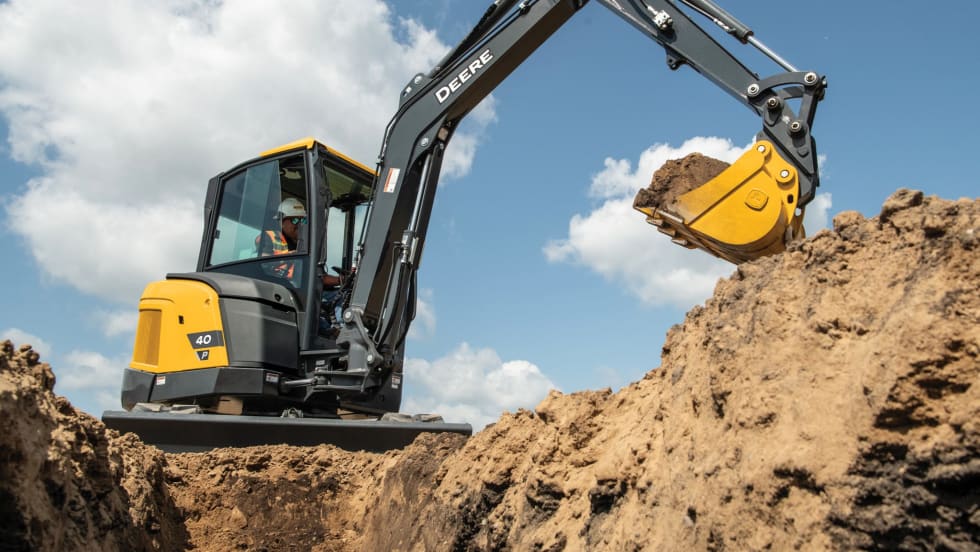
John Deere Introduces 40 P-Tier Compact Excavator
John Deere is adding a compact excavator designed for crews that need to move equipment between jobsites and handle multiple types of work with one machine. The 40 P-Tier weighs less than 10,000 pounds and offers configurable hydraulics, attachment options, and connected fleet-management capabilities.
Read More →
How Leading Fleets Improve and Why Business Plans Matter
This week, we look at what past Leading Fleet winners can teach us about making progress, plus how to build a business plan your fleet will actually use.
Read More →
Nominate a Fleet Leader for the 2027 Public Fleet Hall of Fame
Do you know a fleet leader who has made a lasting impact on the industry? Nominate this fleet professional for the 2027 Public Fleet Hall of Fame.
Read More →