





Keep Reading: Taking a Forward-Thinking Approach with Your Fleet Budget
Doing More for Less: Increasing Fleet Efficiency
Midwest City, Oklahoma, shares a problem with many government fleet operations. Management wants fleet to do more, but provides fewer resources. Fleet Services Manager Craig Davis has accomplished both goals.
November 1, 2005
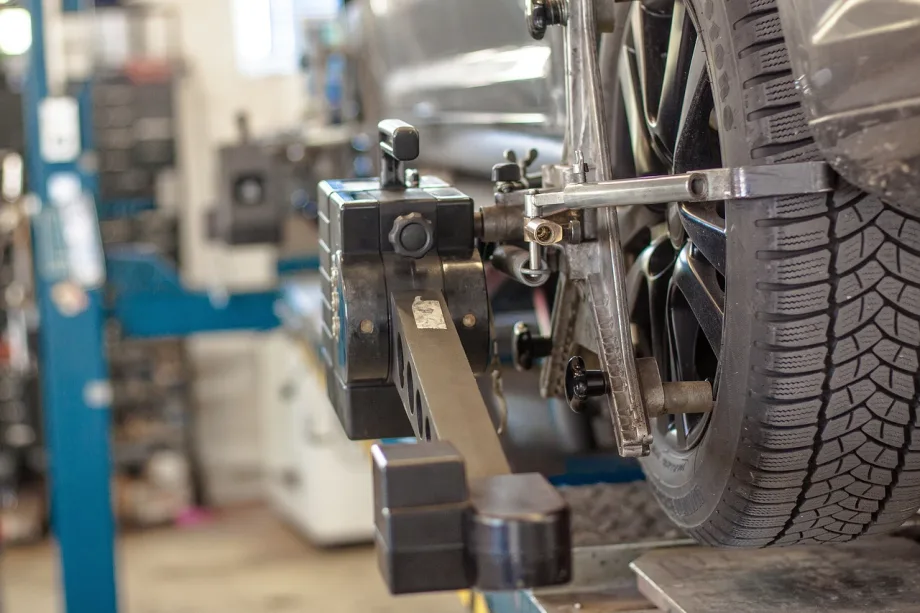
A plan is essential to reach the goal of doing more for less. State program goals, design a plan, and recruit support before beginning.
Photo: Jens P. Raak via Pixabay
5 min to read
Doing more for less” is the goal of Craig Davis’ fleet program in Midwest City, Oklahoma. With a system he calls CATS, Davis increases fleet efficiency to accomplish more goals with fewer resources.
CATS stands for:
Credibility.
Accountability.
Training.
Support.
These are four categories into which Davis broke down his Fleet Services Department operations.
“After I identified the main categories,” Davis says, “I compiled a list of recommendations or guidelines for each. One thing you’ll notice about this program is that it requires communication, cooperation, and support from top to bottom and everywhere in between.”
Four Guidelines to Doing More For Less
Davis says a plan is essential to reach the goal of doing more for less. State program goals, design a plan, and recruit support before beginning, he advises. Davis lays out the following guidelines for each category:
1. Credibility
Fleet staff must be credible, honest, and reliable. Sound decisions must be made throughout, supported with industry benchmarks.
Proposals for change and/or improvements must be backed by documentation.
Certifications are mandatory for all levels, including the facility.
2. Accountability
Costs must be identified, with the justification for those costs. A computerized fleet management system is necessary, particularly to track such areas as:
Staff productivity.
Vehicle and equipment maintenance schedules.
Cost center reporting.
Accident/abuse costs.
Vehicle and equipment use.
3. Training
Remain current with industry trends, both good and bad ones. Learn how to implement good trends and then do it. Learn how to defend fleet facility from the bad trends and then prepare for them. Train and educate customers and management about fleet’s future goals and plans. Understand what services fleet can do well and outsource the rest, up to 15%. Recruit, hire, and retain quality technicians, certified in all applicable areas.
4. Support
You cannot do it alone. Solicit and accept support from:
Council.
Upper management.
User departments (customers).
Supervisors.
Operators.
Technicians.
Vendors.
According to Davis the CATS system has had positive results for his fleet.
“With this program, Midwest City has improved its overall fleet condition, maintained a relatively flat budget, and improved customer service, all with less personnel.”
Davis added that when he was asked to give an example of how the system worked, “I looked at all the programs we have in place, and one came to mind that helps with all three areas - our truck recycle/replacement program.”
Another key area is documentation.
“We have found that everything we do revolves around documentation - computerized and historical fleet information. When you want to figure cost-per-use to develop lifecycles for your vehicles, drivers’ logs are not accurate or reliable enough."
With fleet software in place, he adds, fleet managers can develop a schedule of replacement times.
13 Benefits from CATS
The CATS system provides fleet managers several benefits, allowing them to:
1. Use internal re-issuing to assist underfunded departments.
One capital purchase can improve several departments by passing units down. Underfunded departments tend to “wear out” vehicles. Completely worn-out units burden fleet maintenance costs.
Units with 50% of life left are well received by underfunded departments. A worn-out unit is eliminated and a new unit with warranty replaces it.
2. Take advantage of new vehicle warranties.
A new-vehicle purchase can displace and eliminate a high maintenance-cost unit.
A new vehicle can defer major repair costs for an operation for years. In tracking warranty periods, “goodwill” adjustments can be arranged for a vehicle just beyond the warranty period.
3. Obtain a higher trade-in value, if the vehicle cannot be re-issued.
Trade-ins can be used to lower capital expenditures. Monies from higher resale values can be used to build special programs. Recapitalization and accident programs can be funded.
4. Take advantage of new fuel injection technologies, which offer:
Improved fuel economy in a given class.
The ability to run on alternative fuels.
Extended service intervals on many new vehicles, reducing downtime.
5. Build surplus truck chassis into specialized low-use applications, such as:
Hooklift loaders.
Snow plows/sand spreaders.
Dedicated tree spades.
Material-handling cranes.
Aerial buckets.
6. Use re-capitalization to standardize.
The specification/procurement process can be used to standardize fleet vehicles.
Standardizing vehicles also standardizes parts needs, and parts inventory can be reduced. Buying power improves when dealing with multiples of the same unit.
Technician training budget can be minimized.
7. Take advantage of new emissions technologies.
Older units may not run on new alternative fuels without costly modifications.
New low-emissions units help maintain an area’s clean air attainment status.
8. Improve customer satisfaction.
Operators appreciate a unit that stays on the job, not in the shop.
Allowing operator input on new purchases promotes ownership.
Operators satisfied with the shop’s performance won’t avoid it. Operators who avoid bringing units in for work wear out those units.
9. Reduce abuse occurrences.
Abuse is more easily identified on a unit in like-new condition. Identifying abuse helps reduce it.
Operators are more likely to abuse an old, poorly maintained unit. The operator mindset “If they don’t care, why should we?” can be diminished.
10. Seize fleet reduction opportunities.
Younger, well-maintained fleets require fewer backup units. Worn-out and unused back-up units can be eliminated.
A fewer number of multi-purpose units can replace several individual units.
Evaluating vehicle use can lead to developing sharing or “pool” programs.
11. Reduce staffing levels.
A younger fleet experiences fewer maintenance problems. A reduced workload can cut staffing requirements.
Cutting positions frees up money to pay for certified technicians.
Higher quality, well-paid technicians can improve productivity.
12. Reduce downtime.
Newer vehicles have fewer major repairs, reducing downtime. Fewer parts need to be ordered.
13. Incorporate new safety technologies, including:
Braking technology.
Safer cabs and interiors.
Advances in airbags, seatbelts, and other restraint technology.
Subscribe to Our Newsletter
More Operations

Is Keeping Older Fleet Vehicles Really Saving Money?
Is keeping vehicles longer saving money, and what happens when a diagnostic test points to the wrong fix?
Read More →
How Smart Fleet Strategy Can Help Local Government Agencies Do More with Less
Keeping a vehicle longer may ease this year’s budget, but what does it cost the next one? A closer look at fleet decisions can reveal opportunities to reduce spending while protecting essential services.
Read More →
Connect with Government Fleet on LinkedIn
From industry news and fleet management strategies to conversations with peers, Government Fleet's LinkedIn page offers public-sector fleet professionals another way to stay informed and connected.
Read More →
Town of Queen Creek Named Most Successful Fleet Award Winner of Inaugural RTA Fleet Success Awards
Five fleets were honored at RTA Connect 2026 in Chicago for excellence across resource efficiency, intentional culture, risk management, and stakeholder satisfaction.
Read More →
Sponsored•October 14, 2026
A buyer's guide to fleet management software in 2027
Buying fleet management software in 2027 means looking beyond features and price. As fleet operations, technology and expectations evolve, this guide explores what today’s fleet professionals should consider when choosing a system that can deliver value now and adapt to what comes next.
Read More →
Hazard Alerts, Fleet Car Sales Rise and a New Shuttle Concept
Fleet car sales doubled, but the bigger picture tells a different story in this week’s roundup.
Read More →
How St. Johns County Turned Fleet Data Into Better Replacement Decisions
St. Johns County, Florida, had fleet data, but turning it into reliable decision guidance was another matter. Instead of starting over with a new fleet management system, the county connected existing tools and built a scoring system that gives managers an objective look at fleet health.
Read More →
Fleet Forward Conference Introduces One-Day Passes for 2026
New one-day registration lets fleet professionals attend Tuesday, Wednesday, or Thursday, with passes available for $249.
Read More →
ENC Unveils its ZAVIR Medium-Duty Shuttle
Two variants of the concept shuttles were revealed: a low-floor configuration and a high-floor configuration.
Read More →
Could Your Next Fleet Technician Start as an Intern?
What if your next technician hasn’t worked in a fleet shop yet? What fleets are doing to free up time.
Read More →