




Contra Costa County Fleet Uses B-20 to Replace ULSD Fuel
The county fleet chose B-20 biodiesel to replace ultra-low sulfur diesel (ULSD) for biodiesel’s improved lubricity and environmental benefits. The switch was ‘simple’ with no vehicle modifications required.

One afternoon, Terry Mann, deputy director of Contra Costa County’s General Services Department, was thumbing through the San Francisco Chronicle. An article featuring a story about a Martinez, Calif., biodiesel fuel producer caught his eye. In it, Mann learned that switching to B-20 biodiesel would result in positive changes for the county’s fleet and the environment. So, he took action.
At the time, the Contra Costa County fleet was using ultra-low sulfur diesel (ULSD). But, ULSD wasn’t ideal. “We had been having trouble with the ULSD,”Mann said. “It was corroding out, resulting in other problems.” After speaking with representatives from the local biodiesel manufacturer, Mann learned that B-20 is high in lubricity and would be easier than ULSD on the fleet’s engines.
B-20 Reduces Harmful Emissions
Using B-20 also benefits the environment and reduces the amount of several harmful emissions, including:
Greenhouse gases (12-20 percent).
Carbon monoxide and particular matter (each reduced by 12 percent).
Sulfates and total unburned hydrocarbons (each reduced by 20 percent).
In terms of energy benefits, using B-20 meets Energy Policy Act (EPAct) requirements. Incidentally, EPAct-covered fleets (federal, state, and public utility fleets) using B-20 qualify as alternative-fuel vehicle purchases
Mann also learned that B-20 use would comply with Contra Costa County’s Clean Air Vehicle Policy for the county’s fleet of vehicles and equipment. And, because B-20 reduces greenhouse gases, making the switch also fits into California Gov. Arnold Schwarzenegger’s greenhouse gas initiative.
Switch to Biodiesel ‘Easy’
Of the fleet’s approximately 1,500 vehicles and heavy equipment, 164 are diesels that were switched to B-20. These include buses, dump trucks, graders, heavy-duty trucks, and equipment. With an annual usage of around 75,000 gallons of fuel per year, the transition could have been laborious. But,Mann said the switch was simple.“The county accomplished the switch as soon as our ULSD tank reached a low level,” he said. “There were no barriers to overcome, and no modifications to vehicles or equipment were required. It’s easy to implement.We request a bid from each supplier when we need to refuel our tank. But, I would suggest meeting with vendors and having them present the benefits and potential problems before proceeding.”
In all,Mann recommends other fleets consider making the switch: “For no additional cost, you get cleaner-burning fuel with greater lubricity.”
More Operations
Hazard Alerts, Fleet Car Sales Rise and a New Shuttle Concept
Fleet car sales doubled, but the bigger picture tells a different story in this week’s roundup.
Read More →
How St. Johns County Turned Fleet Data Into Better Replacement Decisions
St. Johns County, Florida, had fleet data, but turning it into reliable decision guidance was another matter. Instead of starting over with a new fleet management system, the county connected existing tools and built a scoring system that gives managers an objective look at fleet health.
Read More →
Fleet Forward Conference Introduces One-Day Passes for 2026
New one-day registration lets fleet professionals attend Tuesday, Wednesday, or Thursday, with passes available for $249.
Read More →
ENC Unveils its ZAVIR Medium-Duty Shuttle
Two variants of the concept shuttles were revealed: a low-floor configuration and a high-floor configuration.
Read More →
Could Your Next Fleet Technician Start as an Intern?
What if your next technician hasn’t worked in a fleet shop yet? What fleets are doing to free up time.
Read More →
How Phoenix Is Building Its Next Generation of Fleet Technicians
With more than 8,000 vehicles and pieces of equipment to maintain, the City of Phoenix could not afford to wait for fully trained technicians to walk through the door. Instead, they revamped their entire workforce strategy and showed how public fleets can create their own talent pipeline while preparing existing employees for increasingly complex vehicles.
Read More →
What’s Slowing Your Fleet Down?
Could a change in how work gets done help your fleet return vehicles to service sooner?
Read More →
Can Public Fleets Trust the Data Driving Their Decisions?
Public fleets have more data than ever, but inconsistent records and missing information can still undermine maintenance, replacement, and cost decisions.
Read More →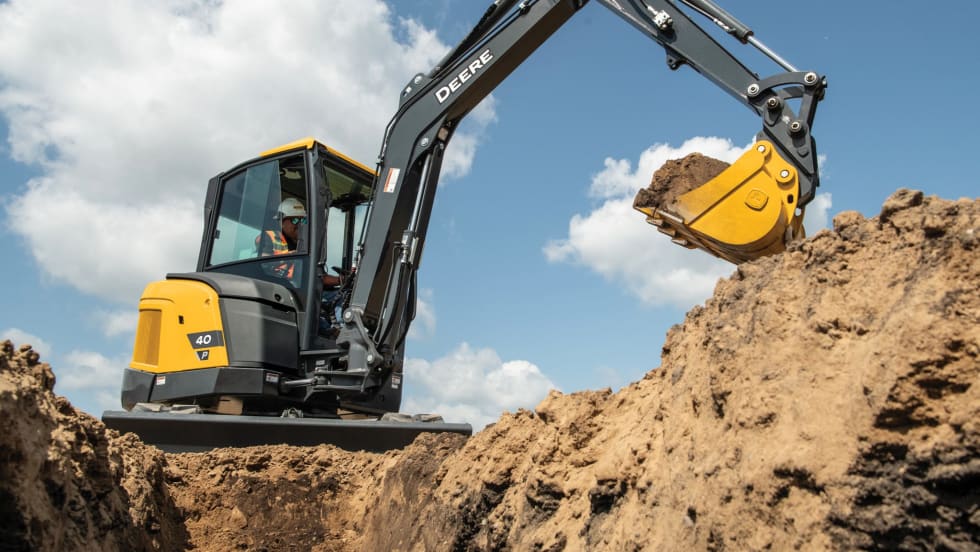
John Deere Introduces 40 P-Tier Compact Excavator
John Deere is adding a compact excavator designed for crews that need to move equipment between jobsites and handle multiple types of work with one machine. The 40 P-Tier weighs less than 10,000 pounds and offers configurable hydraulics, attachment options, and connected fleet-management capabilities.
Read More →
How Leading Fleets Improve and Why Business Plans Matter
This week, we look at what past Leading Fleet winners can teach us about making progress, plus how to build a business plan your fleet will actually use.
Read More →