




Changing with Technology
Steve Healey knows the second you give up on keeping up with evolutions in tech is the second you’ll cease to be successful.

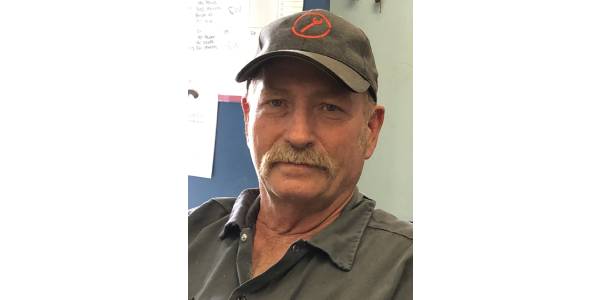
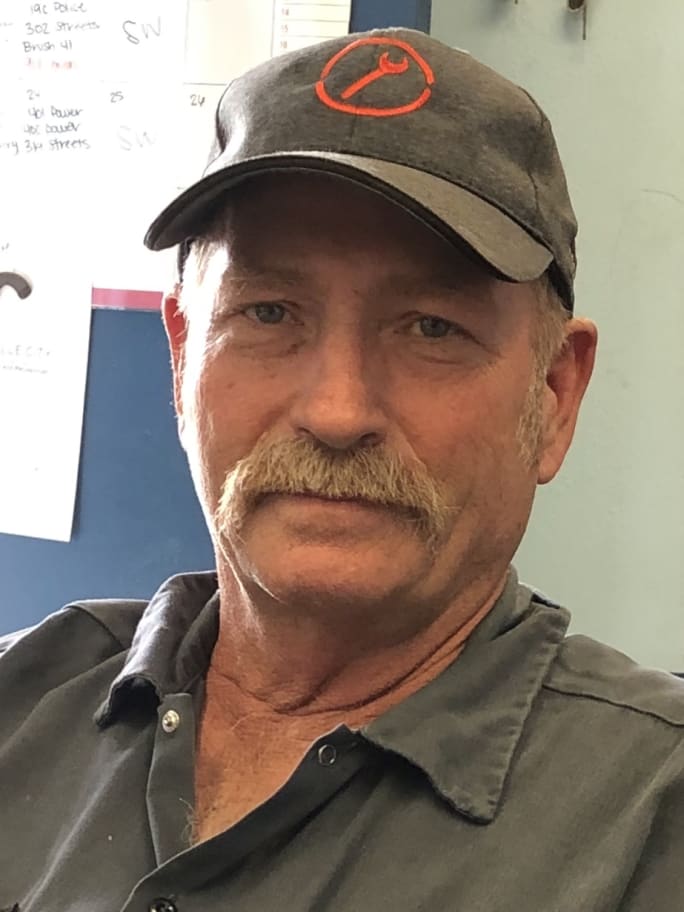
Steve Healey
Steve Healey, shop supervisor for Springville Central Shop in Utah, has been a mechanic for over 30 years and oversees about 250 assets in his small city. He’s seen and learned a lot during his time in the industry, particularly the technological changes that have occurred over the years.
Adapting from Old to New
When he first started his fleet career, he dealt with parts like points and condensers, carbureted engines. old-style engine controls. Over time, he’s kept up with technology all the way up to newer computer controls.
“Back in the 60’s, we had zero emission controls. As they were introduced, reducing emissions and increasing fuel milage became the main driver of vehicle technologies. With the tightening of fuel controls came new sensors and other electronic devices. The same thing happened with diesel. The old-fashioned diesels were totally mechanical, and they've introduced electronics over the years to get to the point where we're at now,” he explains.
At his shop, he and his crew work on everything, small engines all the way up to large diesel trucks. He feels this provides him with a good variety that keeps the days interesting.
Understanding the Difficulties of Being a Mechanic
He believes one of the challenges new people coming into the industry are going to be faced with is the changing equipment landscape, as technology is only going to continue to progress from where it’s at now.
“Being a mechanic, you need a lot of knowledge in physics and the theory behind electronics, hydraulics, compression and gear ratios…the list goes on. I don't think people outside the industry really realize the technical ability it takes to be a good mechanic,” he says.
He says those who succeed are those “born with grease on their hands.”
It's a challenging career path to pursue, and becomes even more so the further up the career ladder you climb. On top of managing shops and fleets, aspects like following EPA regulations with proper disposal of waste products is yet another factor to keep track of. Not to mention becoming extremely price conscious when it comes to purchasing needed equipment.
“It gets to be pretty dynamic, trying to be a fleet manager.”
Evolving with Equipment
With an aging workforce and an increasing difficulty in finding and keeping new, skilled talent, it has been a challenge creating a team that is able to keep up with the ever-evolving nature of technology.
“I've worked with a lot of mechanics over the years, and as they get closer to retirement they start thinking, ‘well, I don't have that much longer. I don't want to deal with this.’ But you have to keep up. The one thing I've said is, I'm never going to stop learning; I'm going to always take every challenge and not quit.”
He says if a mechanic develops this kind of attitude, they are pretty much done as a mechanic because things are changing so quickly.
“This need to keep up is what keeps the job from getting old and keeps a person from burning out, because you have to continually evolve as equipment evolves.”
Choosing Gas Versus Diesel
The current debate that interests him is choosing gas engines over diesel engines in lighter duty trucks. With the reliability of gas engines becoming much greater than that of newer diesels, and emission controls becoming less problematic, Healey says he’s seeing a shift back over to gas - especially in vehicles like ambulances. With gas engines, you get less downtime, more reliability, and a reduced maintenance cost.
“Ambulances have always been one of my biggest concerns. If you have a maintenance failure with somebody in the back, that could be a problem. That's always been my worst nightmare. I want to ensure none of that happens with a life hanging in balance. I wouldn't want to be responsible for somebody not making it to the hospital.”
Persevering in Tough Times
His words of wisdom to readers are do not let any challenge dissuade you. Always tackle everything head on. Maintain a positive attitude, and get the job done.
“You see a lot of people that are afraid. They get a vehicle or project that they've never done before, and they're too scared to try it. But if there’s no investment, there’s no gain. You have to get in there and not be too discouraged to try new things.”
More Operations

Fleet Forward Conference Introduces One-Day Passes for 2026
New one-day registration lets fleet professionals attend Tuesday, Wednesday, or Thursday, with passes available for $249.
Read More →
ENC Unveils its ZAVIR Medium-Duty Shuttle
Two variants of the concept shuttles were revealed: a low-floor configuration and a high-floor configuration.
Read More →
Could Your Next Fleet Technician Start as an Intern?
What if your next technician hasn’t worked in a fleet shop yet? What fleets are doing to free up time.
Read More →
How Phoenix Is Building Its Next Generation of Fleet Technicians
With more than 8,000 vehicles and pieces of equipment to maintain, the City of Phoenix could not afford to wait for fully trained technicians to walk through the door. Instead, they revamped their entire workforce strategy and showed how public fleets can create their own talent pipeline while preparing existing employees for increasingly complex vehicles.
Read More →
What’s Slowing Your Fleet Down?
Could a change in how work gets done help your fleet return vehicles to service sooner?
Read More →
Can Public Fleets Trust the Data Driving Their Decisions?
Public fleets have more data than ever, but inconsistent records and missing information can still undermine maintenance, replacement, and cost decisions.
Read More →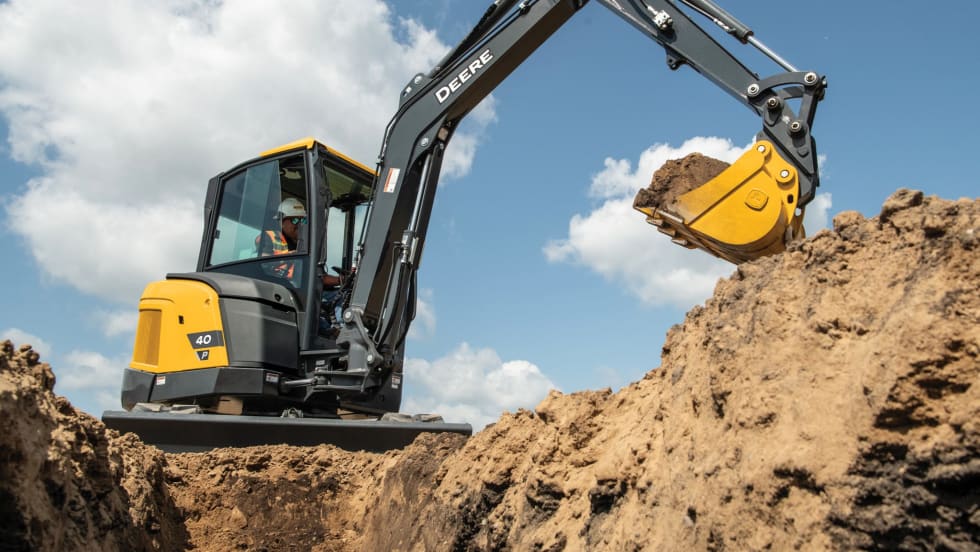
John Deere Introduces 40 P-Tier Compact Excavator
John Deere is adding a compact excavator designed for crews that need to move equipment between jobsites and handle multiple types of work with one machine. The 40 P-Tier weighs less than 10,000 pounds and offers configurable hydraulics, attachment options, and connected fleet-management capabilities.
Read More →
How Leading Fleets Improve and Why Business Plans Matter
This week, we look at what past Leading Fleet winners can teach us about making progress, plus how to build a business plan your fleet will actually use.
Read More →
Nominate a Fleet Leader for the 2027 Public Fleet Hall of Fame
Do you know a fleet leader who has made a lasting impact on the industry? Nominate this fleet professional for the 2027 Public Fleet Hall of Fame.
Read More →
Why Fleet Business Plans Need Three Perspectives
A fleet business plan should help agency leaders understand the fleet’s value, give the organization a clear direction, and establish shared expectations with customer departments.
Read More →