




Bright Ideas: Off-Road Equipment Maintenance 101
Maintaining off-road equipment is not an easy feat, but with these tips, managing the equipment can be a much easier, not to mention cost effective, task.

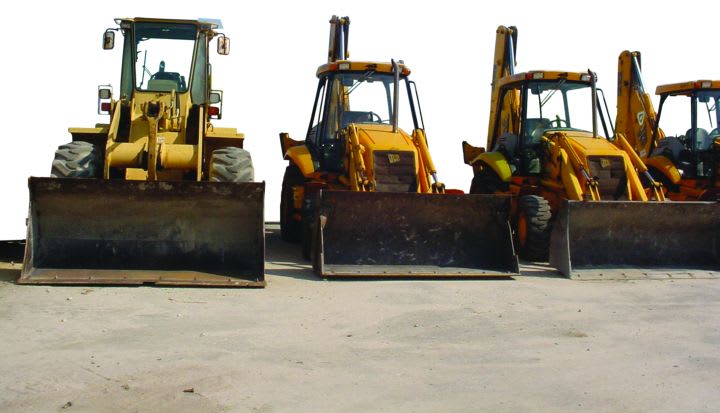
In charge of a diversity of equipment, serving many different user departments, public sector fleet managers may find maintaining off-road equipment difficult. At times, the real problem simply comes from not having enough funds for the upkeep of the fleet. However, there are practices that can aid in maintaining off-road equipment. Take a cue from several fleets whose off-road equipment units range from approximately 800 to 2,000.
An Effective Maintenance Program Can Save Money
Even prior to the current economic downturn, money was always an issue in maintaining a fleet. If a fleet program does not have the funds to update off-road equipment, it is extremely important to keep equipment in the best condition possible to avoid the cost of expensive repair and replacement.
Because large off-road equipment is expensive to repair, a progressive preventive maintenance program (PM) is essential. As fleet managers and operators inspect off-road vehicles, the following steps are best practices:
Wash and clean the vehicle, particularly in winter, to ensure the windows, lights, and door mirrors are clean.
Check and top-off fluid levels such as engine coolant, engine oil, and brake fluid.
Check tire conditions for damage, air pressure, and tread.
Confirm all lights work properly.
Ensure wiper blades are in good condition and the windscreen washer fluid bottle is full.
Verify the exhaust system is in sound working order.
Additionally, fleet managers should print monthly PM reports to keep vehicle maintenance up-to-date. According to Bill Burns, fleet operations manager for the City of Columbus, Ohio, printing such reports allows a fleet manager to pinpoint which division requires the most “fleet intervention.”
By determining which divisions and equipment need the most care, potential problems in most of the equipment can be spotted before becoming too big. According to Michele Wetherington, activity project manager for Volusia County, Fla., a good oil sample program should be the backbone of every PM program to provide an accurate indication of equipment and lubrication condition.
“An engine on large off-road equipment can cost [as much as] $50,000 to rebuild from a catastrophic failure,” she explains. “By utilizing an oil sample program in conjunction with our PM program, [we] have saved tens of thousands of dollars, and it has prevented minor repairs from turning into catastrophic failures.”
Installing an auto lube system on front-line equipment also helps with maintenance issues. The lube system ensures all grease points get proper lubrication on a constant basis. Additionally, this system prevents the operator from missing scheduled appointments or grease points.
[PAGEBREAK]
Check Your Tires
Off-road replacement tires are definitely not cheap. It’s in every fleet manager’s best interest to take the following steps to ensure off-road equipment tires are up to par:
Inspect vehicle tires daily; incorporate tire checks into operator pre-shift inspection.
Check tire pressures on a regularly scheduled basis — daily, weekly, or the best fit for your application.
Spec vehicles and equipment with the correct tires for each application.
Train operators, supervisors, and key personnel on your fleet’s tire management expectations.
Assign one person direct responsibility for total tire life, costs, and management.
In addition, tracking tire data can help create:
A fleet equipment check form for use by field personnel to document vehicle and equipment condition.
Reports analyzing operating cost from various perspectives: per hour, ton, or mile. Tire expenses can be tracked by tire, individual vehicle or piece of equipment, or the fleet aggregate. Compare actual cost to projected cost. Removal reports provide tire failure causes and identify lifecycle points at which the tires failed.
Deploying recap tires on off-road equipment in high-use situations can also help cut replacement tire expense. According to Wetherington at Volusia County, recap tires last just as long as new tires for about half the price. Additionally, she says, the tires can be recapped as many as three to four times before no longer usable. Volusia County has saved $36,000 in the past three years using recapped tires.
Train Your Operators
An effective maintenance program is a recommended best practice, but equally important are operators who implement the program and handle the equipment with care. “A bad or abusive operator can and will cost more than you can ever save with a proactive maintenance program,” says Wetherington.
Burns at the City of Columbus agrees. “The common ongoing and never-ending problem is having the equipment operators perform legitimate, quality, daily inspections to identify and report equipment issues.”
To offset this problem, Larry Campbell, fleet manager in Fort Wayne, Ind., says fleet managers should conduct daily equipment inspections with operators. Additionally, he says, operators should be trained on safety and the operators’ responsibility of handling maintenance.
[PAGEBREAK]
Fixing Equipment Before It’s Too Late
After training operators on how to detect problems with off-road equipment, it’s important to take care of the problem before it becomes costly. To offset seasonal equipment start-up failures, Burns collects equipment at the end of its season. For example, after mowing season ends, Burns gathers all the large turf mowers. Technicians then examine the equipment and identify required repairs. The equipment is repaired and ready for immediate use the next season.
Save Money by Saving Fuel
Fuel prices certainly add to fleet budget woes. With the price of fuel continually on the rise, finding a cost-effective method to secure fuel for off-road equipment and vehicles can be difficult. One way fleet management departments can save money on fuel is to collaborate with other departments.
For Volusia County Fleet Management, working with the county’s solid waste department proved beneficial. Originally, the solid waste department helped fleet management fund an additional fuel tank for the county’s landfill operations; however, the joint venture expanded to include mobile fueling of all off-road equipment in Volusia County. Since July 2006, 229 pieces of off-road equipment have been fueled, with a savings of 29 cents per gallon. Over the past three years, the County saved nearly $264,000 on fuel.
Off-road equipment manufacturer Cashman Equipment offers other fuel-saving tips:
Minimize idling. According to the company, idling can amount to 15-20 percent of total fuel used depending on the application.
Repair damaged or loose fuel caps to avoid fuel evaporation.
Select the gear that provides the desired ground speed at a reduced engine rpm without overloading. Studies have shown 5-15-percent greater fuel efficiency at 75-percent power and 15-30 percent improved efficiency at 50-percent power.
Effectively plan jobsite travel patterns to reduce idling and minimize turns.
Use the recommended fuel grade depending on weather conditions.
Minimize evaporation. If possible, keep storage tanks well-shaded. Less evaporation occurs in white or aluminum-painted storage tanks versus red.
Upgrade to newer fuel-efficient models, if possible.
More Equipment
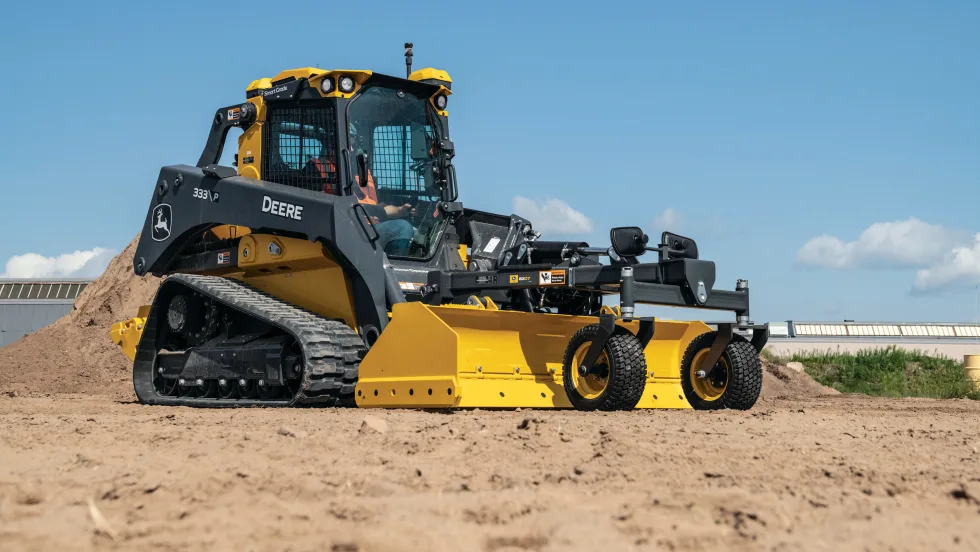
John Deere Adds SmartGrade Box Blades, Fire Suppression Option
John Deere is expanding the capabilities of its compact track loaders with new grading attachments and an equipment protection option. The additions include two SmartGrade box blades for the 333 and 335 P-Tier models and an integrated fire suppression system for large-frame machines.
Read More →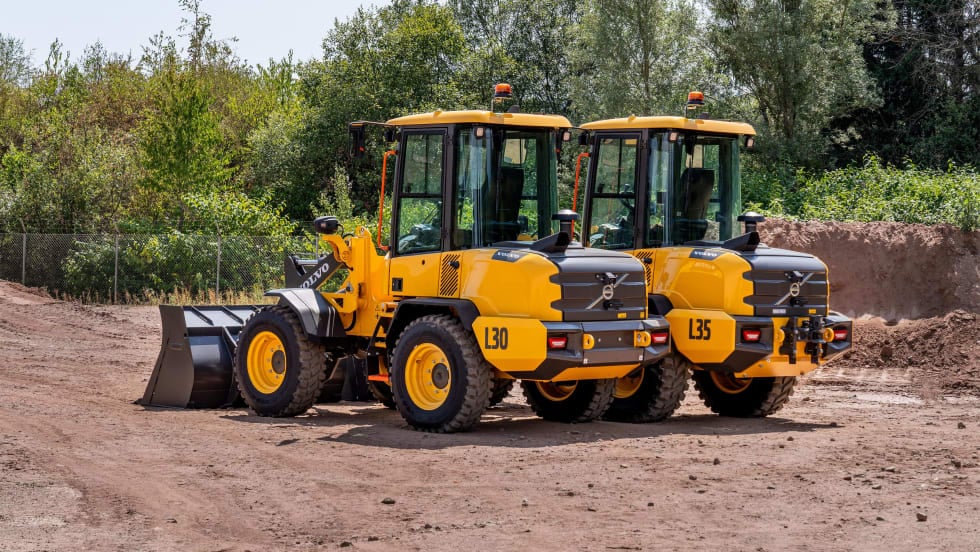
Volvo Updates L30 and L35 Compact Wheel Loaders With Redesigned Rear Frame
The updates aim to provide customers with more flexibility to use the machines for different jobs while improving service access and everyday operation.
Read More →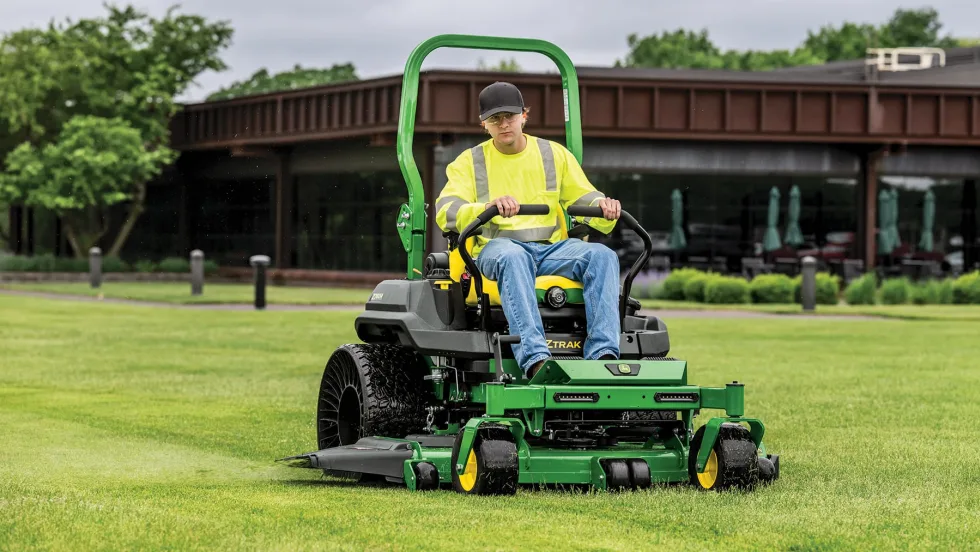
John Deere Updates Z700 ZTrak Commercial Mower Lineup
Public agencies responsible for maintaining large properties have several updated mower options from John Deere. The refreshed Z700 ZTrak lineup adds upgraded engines, transmissions, mower decks, and operator features across four models.
Read More →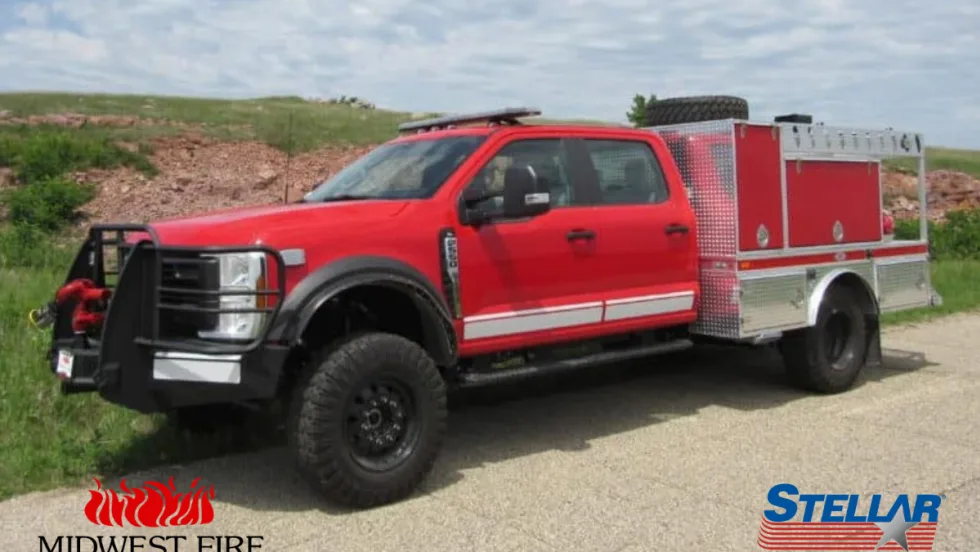
Stellar Industries Acquires Midwest Fire
The acquisition brings a manufacturer of custom fire apparatus under Stellar Industries, expanding the work-truck manufacturer into the fire and emergency response market. Midwest Fire will continue operating from its existing Minnesota headquarters as a distinct company.
Read More →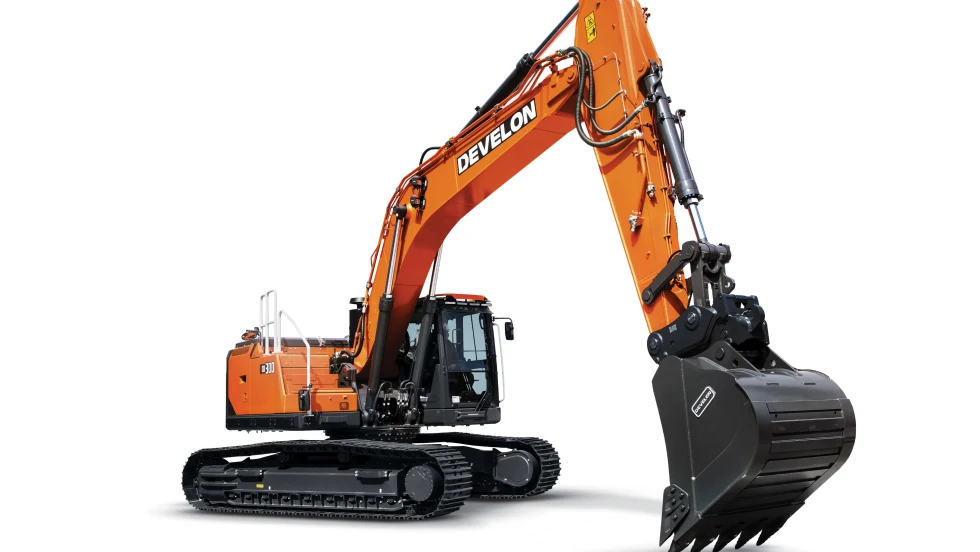
DEVELON Adds DX300LC-9 Excavator to -9 Series
For public works operations handling infrastructure, road, and utility projects, DEVELON has added a new 33-metric-ton excavator to its equipment lineup. The DX300LC-9 combines updated controls with technology designed to address operator safety, equipment monitoring, and machine operation.
Read More →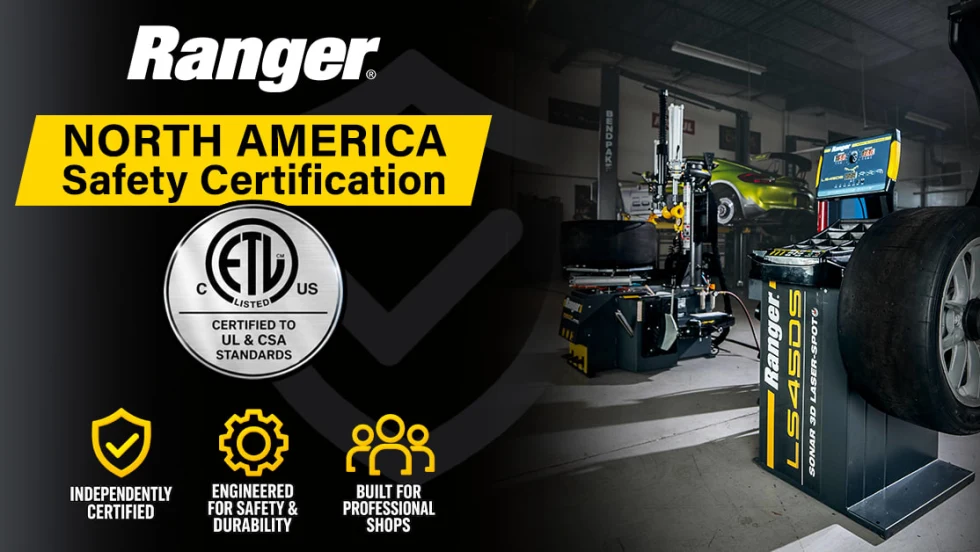
BendPak Ranger Wheel Service Equipment Receives Safety Certification
Equipment used every day in fleet maintenance shops comes with its own set of safety considerations. Following an 18-month redesign and testing process, BendPak's Ranger tire changers and wheel balancers have received certification to applicable U.S. and Canadian safety standards.
Read More →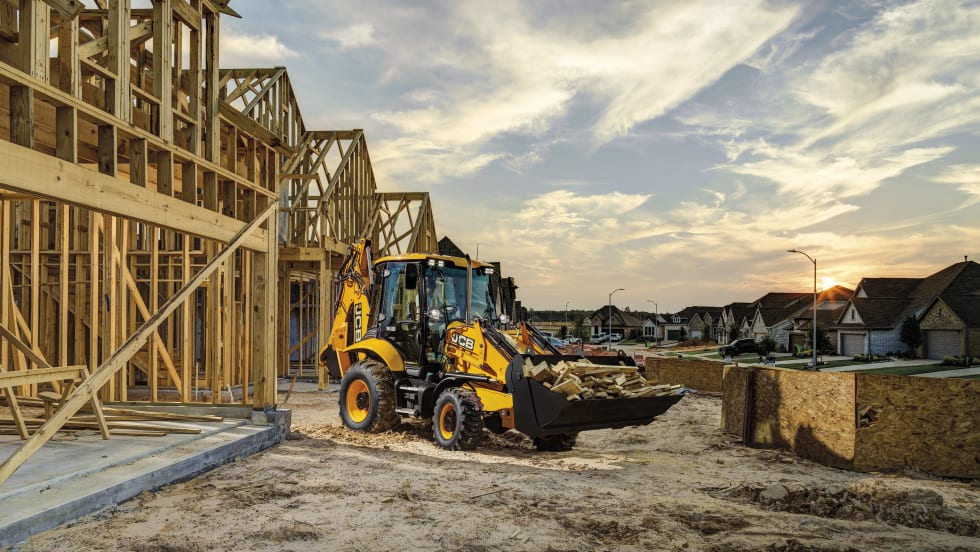
JCB Introduces Dual Drive System for Backhoe Loaders
Public works operators traditionally switch positions and controls each time they reposition a backhoe during excavation. JCB's new Dual Drive system is designed to allow operators to move the machine while remaining at the excavator controls.
Read More →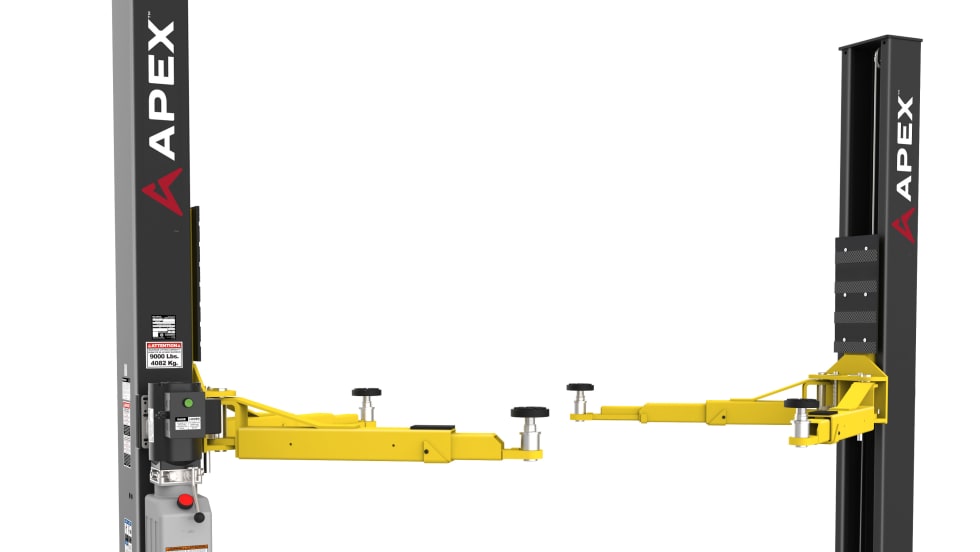
APEX by BendPak Launches AL9LC Two-Post Lift
The new low-ceiling floorplate car lift is designed to maximize overhead clearance for fleets.
Read More →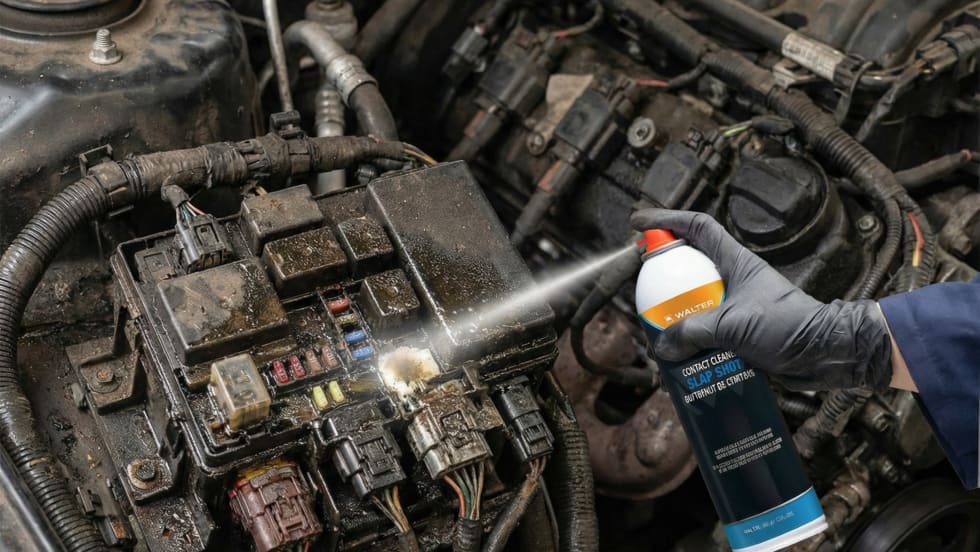
New Slap Shot Contact Cleaner: Heavy-Duty Cleaning Power Without the Residue
Slap Shot Contact Cleaner combines fast contaminant removal, rapid evaporation, moisture displacement, no-wipe cleaning, non-conductive performance, and residue-free cleaning into a single solution.
Read More →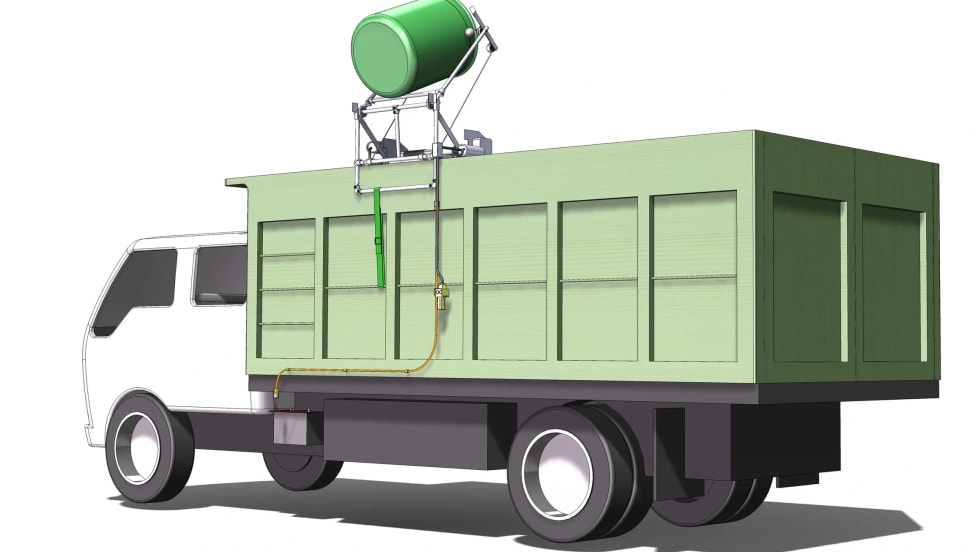
New Powered Carry Barrel Lift Helps Crews Dump Heavy Barrels Into Trucks With Less Manual Lifting
The Carry Barrel Lift is a new truck-mounted attachment designed to help landscape and municipal crews lift and dump heavy 60-gallon barrels more efficiently while reducing manual strain.
Read More →