




Similar Content: Remaining Productive After Reorganization
Better Management Through Adapting to Change
Chris Butler discusses centralization of fleet services, creating acceptance of change, and more.

Lexi Tucker・Senior Editor
4 min to read
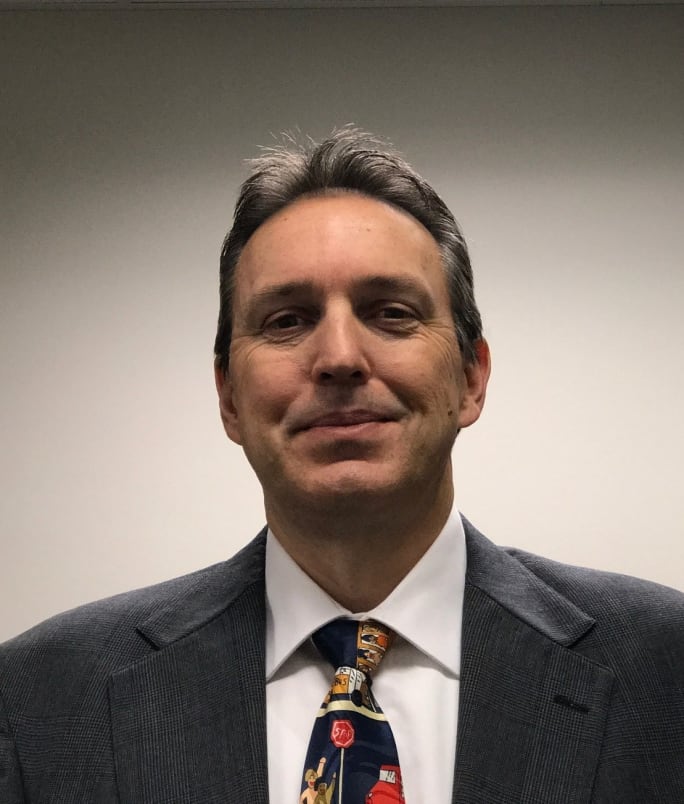
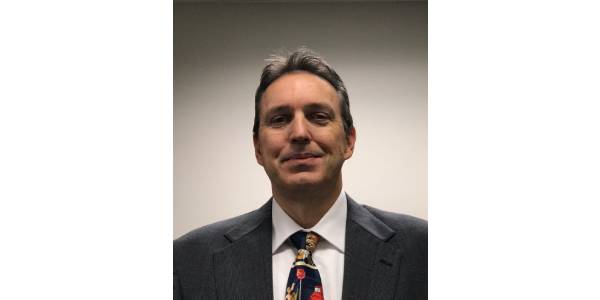
Chris Butler
Chris Butler, director of fleet services for Johnson County, Kansas, was initially hired into his organization as director of public works operations. His focus on fleet began after a major organizational study identified centralization of fleet management as a high priority. He was then asked to lead the process and ultimately took on his current role. Although fleet management was not a singular direction he had considered prior to this opportunity, he was excited for the chance to lead a group that worked holistically within the organization.
Centralizing Fleet Services
His team was able to succeed in centralization by creating an implementation plan, communicating the plan, and then executing it.
“Our message was simple — fleet management was not the primary mission of any organization within our county. Development of a more centralized fleet management program enabled us to leverage core competencies, capture economies of scale, reduce duplication of effort, and link related functions,” he said.
Centralization of fleet activities enabled a holistic approach to the business, provided for the development of consistent policies and practices, and fostered improvements through a more systematic approach to management of the county’s fleet assets.
Improving Attitudes Toward Change
Every fleet manager has likely had challenges when it comes to influencing those who are averse to change.
As Butler puts it, “change is the only constant in our world and the ability to adapt, embrace, and overcome is critical to the success of any operation.”
Some of his best tips for change management include:
Inclusion – Bring others into the process and allow them to share in collective ownership of the change. Sustainable organizational change is not something you can achieve on your own.
Plan – Identify goals and develop a strategic plan to help get you there.
Communicate – Share your goals and plans. It is impossible to communicate too much, especially when focusing on organizational change.
Listen - Always be open to feedback. Listen to those around you and be willing to incorporate new or different ideas.
Execute – Do the things you say you are going to do.
Celebrate – Reward, recognize, and celebrate the successes of your organization.
Adapting to an Electric Future
Butler’s organization is currently building a new wastewater treatment plant. As part of the construction process, his team looked for opportunities to incorporate electric vehicle (EV) infrastructure and replace as many traditionally fueled vehicles as possible with EVs. This resulted in the purchase of a fully electric terminal truck, eight electric compact utility trucks, and plans to purchase electric sedans and SUVs upon opening of the site later this year.
Tracking Usage with Technology
In terms of new technology, he’s recently installed and began using automated key boxes with a web-based reservation management system. Implementation of these boxes in the county’s larger administrative complexes is allowing for better utilization of shared pool vehicles and will ultimately help the county further reduce low-use vehicles. Butler said fleet management is also expanding the use of vehicle telematics. This will help the organization obtain real-time driver data and vehicle diagnostics, and allows for geo-tracking of assets.
Making Decisions Based on Practicality
Butler said the fleet department doesn’t favor specific brands, makes, or models of vehicles. Instead, decisions are made solely upon the ability of a unit to meet specific functional needs.
“We tend to consider multiple vehicles meeting given specifications. From those, we make our decision based upon initial cost, availability from competitively bid contracts, long-term return on investment, and proven history of performance within our fleet," he said.
Splitting Shifts for Safety
While there are few good changes that have come out of trying to operate at full capacity during a pandemic, Butler said it did give fleet operations the opportunity to show how capable and flexible it can be in the face of adversity. One of the key actions the team took to ensure continuity of operations was shift splitting.
“This move helped to protect our staff, customers, and vendors while ensuring we could continue to provide the high levels of service expected from our stakeholders. In addition to split shifts, we limited access to our facilities and ensured safe workplace practices were in place for staff and visitors that did enter our facilities,” he explained.
Getting Involved
For those new to fleet management, Butler stressed the importance of finding a way to be active within the fleet community. Make contacts, build relationships, and participate in activities that can help you and your organization to learn, develop, build perspective, and continuously improve.
Subscribe to Our Newsletter
More Operations

Is Keeping Older Fleet Vehicles Really Saving Money?
Is keeping vehicles longer saving money, and what happens when a diagnostic test points to the wrong fix?
Read More →
How Smart Fleet Strategy Can Help Local Government Agencies Do More with Less
Keeping a vehicle longer may ease this year’s budget, but what does it cost the next one? A closer look at fleet decisions can reveal opportunities to reduce spending while protecting essential services.
Read More →
Connect with Government Fleet on LinkedIn
From industry news and fleet management strategies to conversations with peers, Government Fleet's LinkedIn page offers public-sector fleet professionals another way to stay informed and connected.
Read More →
Town of Queen Creek Named Most Successful Fleet Award Winner of Inaugural RTA Fleet Success Awards
Five fleets were honored at RTA Connect 2026 in Chicago for excellence across resource efficiency, intentional culture, risk management, and stakeholder satisfaction.
Read More →
Sponsored•October 14, 2026
A buyer's guide to fleet management software in 2027
Buying fleet management software in 2027 means looking beyond features and price. As fleet operations, technology and expectations evolve, this guide explores what today’s fleet professionals should consider when choosing a system that can deliver value now and adapt to what comes next.
Read More →
Hazard Alerts, Fleet Car Sales Rise and a New Shuttle Concept
Fleet car sales doubled, but the bigger picture tells a different story in this week’s roundup.
Read More →
How St. Johns County Turned Fleet Data Into Better Replacement Decisions
St. Johns County, Florida, had fleet data, but turning it into reliable decision guidance was another matter. Instead of starting over with a new fleet management system, the county connected existing tools and built a scoring system that gives managers an objective look at fleet health.
Read More →
Fleet Forward Conference Introduces One-Day Passes for 2026
New one-day registration lets fleet professionals attend Tuesday, Wednesday, or Thursday, with passes available for $249.
Read More →
ENC Unveils its ZAVIR Medium-Duty Shuttle
Two variants of the concept shuttles were revealed: a low-floor configuration and a high-floor configuration.
Read More →
Could Your Next Fleet Technician Start as an Intern?
What if your next technician hasn’t worked in a fleet shop yet? What fleets are doing to free up time.
Read More →