




Anaheim’s CFMO Certification Saves Taxpayer Money
By becoming a Certified Fleet Management Operation (CFMO), the City of Anaheim, Calif., was able to create a motor pool and save $300,000 annually.
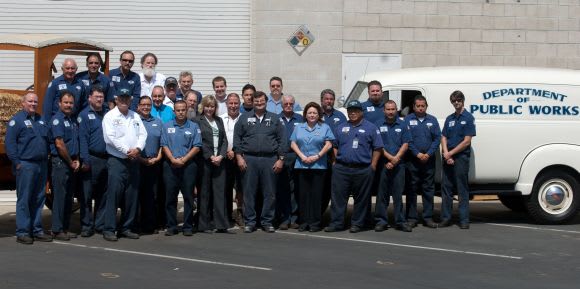
The City of Anaheim, Calif., fleet became certified in June, becoming more efficient and reducing costs for taxpayers. Photo courtesy of the City of Anaheim.

The City of Anaheim, Calif., fleet became certified in June, becoming more efficient and reducing costs for taxpayers. Photo courtesy of the City of Anaheim.
In June, the City of Anaheim, Calif., was designated a Certified Fleet Management Operation (CFMO). The certification, managed by the Government Fleet Management Alliance (GFMA), focuses on 20 critical components to make a public fleet competitive with the private sector.
Ron Lindsey, CAFS, fleet operations superintendent for the City of Anaheim, worked with Fleet and Facility Services Manager Julie Lyons to finish the certification process started by Lindsey’s predecessor, Karl Hopfer. Hopfer initially chose the program because of the guidance provided in areas within the fleet that needed improvement. Lindsey, who joined the fleet in 2012, said he was excited to continue with the certification requirements because becoming certified gives the fleet a level of credibility.
Jim Wright, associate director of the GFMA and developer of the program, provided the fleet with guidance during the process and described Anaheim as an agency that took advantage of all the available resources, such as connecting with other fleets to find out their ideas and policies.
Becoming Certification-Ready
The City of Anaheim made two significant adjustments to its fleet during the certification process.
The first was the introduction of an official motor pool. This came at Wright’s recommendation for a potential solution for underutilized vehicles. Now, vehicles are available both at the city’s main facility and city hall facility. Anaheim has seen a great amount of success with the motor pool.
The second major change was to establish several new policies including a vehicle utilization policy and multiple billing policies. Lindsey explained that introducing the new vehicle utilization policy was really the most bang for the fleet’s buck. Plus, with an annual utilization review, the city is able to examine the fleet and figure out exactly which vehicles it could do without. Lindsey takes that information and is then able to recommend which vehicles customers should part with. With this method, the city was able to reduce its fleet by about 15 vehicles in the first year, resulting in $300,000 in savings and cost-avoidance in 2012. In subsequent years, the fleet continues to evaluate its vehicle utilization and fleet size.
“The big winner is not the fleet and facility services, it’s the citizens of Anaheim,” Lindsey said.
While Lindsey really came to understand that change is slow in the public arena, he is extremely proud of the work his staff has done. “What’s really difficult is the amount of time it takes to make significant changes in the government setting. It’s not like the private sector where you make a new policy and the change is effective the next day.”
For Lindsey, the staff is the reason the fleet is as successful as it is.
Related:
More Operations

Hazard Alerts, Fleet Car Sales Rise and a New Shuttle Concept
Fleet car sales doubled, but the bigger picture tells a different story in this week’s roundup.
Read More →
How St. Johns County Turned Fleet Data Into Better Replacement Decisions
St. Johns County, Florida, had fleet data, but turning it into reliable decision guidance was another matter. Instead of starting over with a new fleet management system, the county connected existing tools and built a scoring system that gives managers an objective look at fleet health.
Read More →
Fleet Forward Conference Introduces One-Day Passes for 2026
New one-day registration lets fleet professionals attend Tuesday, Wednesday, or Thursday, with passes available for $249.
Read More →
ENC Unveils its ZAVIR Medium-Duty Shuttle
Two variants of the concept shuttles were revealed: a low-floor configuration and a high-floor configuration.
Read More →
Could Your Next Fleet Technician Start as an Intern?
What if your next technician hasn’t worked in a fleet shop yet? What fleets are doing to free up time.
Read More →
How Phoenix Is Building Its Next Generation of Fleet Technicians
With more than 8,000 vehicles and pieces of equipment to maintain, the City of Phoenix could not afford to wait for fully trained technicians to walk through the door. Instead, they revamped their entire workforce strategy and showed how public fleets can create their own talent pipeline while preparing existing employees for increasingly complex vehicles.
Read More →
What’s Slowing Your Fleet Down?
Could a change in how work gets done help your fleet return vehicles to service sooner?
Read More →
Can Public Fleets Trust the Data Driving Their Decisions?
Public fleets have more data than ever, but inconsistent records and missing information can still undermine maintenance, replacement, and cost decisions.
Read More →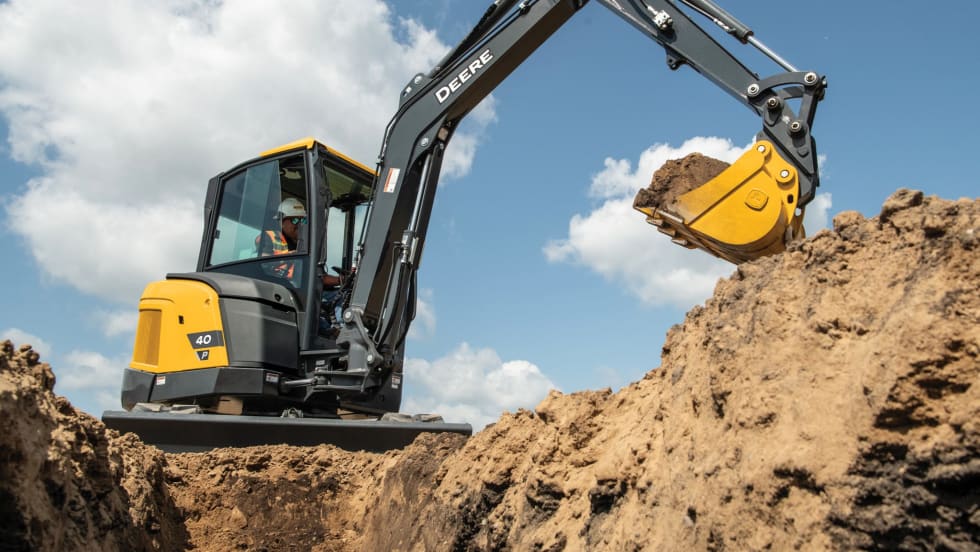
John Deere Introduces 40 P-Tier Compact Excavator
John Deere is adding a compact excavator designed for crews that need to move equipment between jobsites and handle multiple types of work with one machine. The 40 P-Tier weighs less than 10,000 pounds and offers configurable hydraulics, attachment options, and connected fleet-management capabilities.
Read More →
How Leading Fleets Improve and Why Business Plans Matter
This week, we look at what past Leading Fleet winners can teach us about making progress, plus how to build a business plan your fleet will actually use.
Read More →