




Similar Content: Fuel Site Maintenance: 5 Things to Do Right Now
Achieving EPA Compliance with Automated Wastewater Treatment
Automated wastewater treatment systems help motor vehicle service industries remain in compliance with Environmental Protection Agency and local standards while significantly reducing the cost of treatment, labor, and disposal.
by Sabo Industrial
March 3, 2021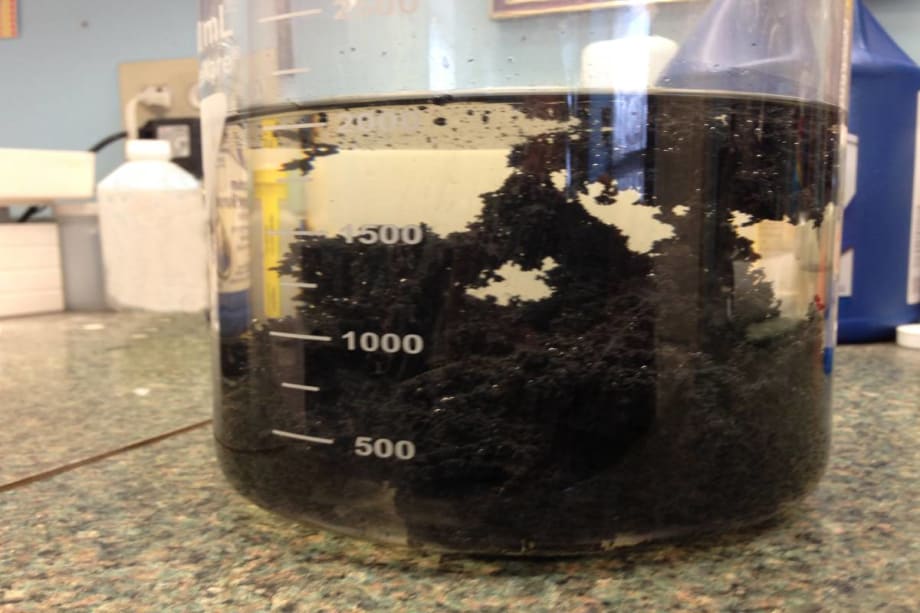
Automated wastewater treatment systems help motor vehicle service industries remain in compliance with EPA and local standards while significantly reducing the cost of treatment, labor, and disposal.
Photo: Sabo Industrial
5 min to read
Automotive service stations and auto body shops with motor vehicle waste disposal wells – floor drains or sinks in service bays that connect to a septic system or dry well – are regulated by the Environmental Protection Agency (EPA).
During normal vehicle repair and maintenance, fluids such as engine oil, transmission fluid, power steering fluid, brake fluid, antifreeze, solvents, and degreasers may drip or spill into floor drains or sinks in service areas. Disposal of these fluids through a motor vehicle waste disposal well may contaminate ground water, so the EPA regulates these wells to prevent ground water contamination in certain areas.
According to the EPA, motor vehicle waste disposal wells are banned nationwide if the well was constructed after April 5, 2000 in ground water protection areas near public water systems that provide ground water used for drinking.
However, some states may waive the ban and issue a permit if certain procedures are followed.
The EPA states that “at a minimum, permits require… [that] waste fluids must meet drinking water standards called maximum contaminant levels (MCLs) at the point of injection. This means that shop wastewater, before it is discharged into the ground, must not exceed any MCL.”
Additionally, the EPA requires that “you implement the best management practices described in your permit to minimize the amount of contaminants in your shop wastewater” and “you monitor the wastewater being discharged into the ground and sludge to ensure continued compliance with MCLs, as required by your permit.”
The EPA states that, “If your wastewater does not meet drinking water standards, you have two options: install ‘pretreatment equipment’ that treats the wastewater before it goes to the drain [or] close the well according to the permitting authority’s directions.”
For any shop that services motor vehicles, this means installing a wastewater treatment system that effectively separates the contaminants from the water so it can be legally discharged into motor vehicle waste disposal wells.
However, traditional wastewater treatment systems can be complex, often requiring multiple steps, a variety of chemicals, and a considerable amount of labor. Even when the process is supposedly automated, too often technicians must still monitor the equipment in person. This usually requires oversight of mixing and separation, adding of chemicals, and other tasks required to keep the process moving. Even then, the water produced can still fall below mandated requirements.
Although paying to have motor vehicle wastewater hauled away is also an option, it is expensive. In contrast, it is much more cost effective to treat the wastewater at its source, so treated effluent can go into a motor vehicle waste disposal well. As an alternative, if necessary, with sufficient treatment and accommodation, it could also potentially go into a sewer; and if treated sludge passes a Toxicity Characteristics Leaching Procedure (TCLP) test, it could be disposed of as non-hazardous waste in a local landfill.
Fortunately, complying with EPA and local wastewater regulation has become much easier with more fully automated wastewater treatment systems. Such systems not only reliably meet regulatory wastewater requirements, but also significantly reduce the cost of treatment, labor, and disposal.
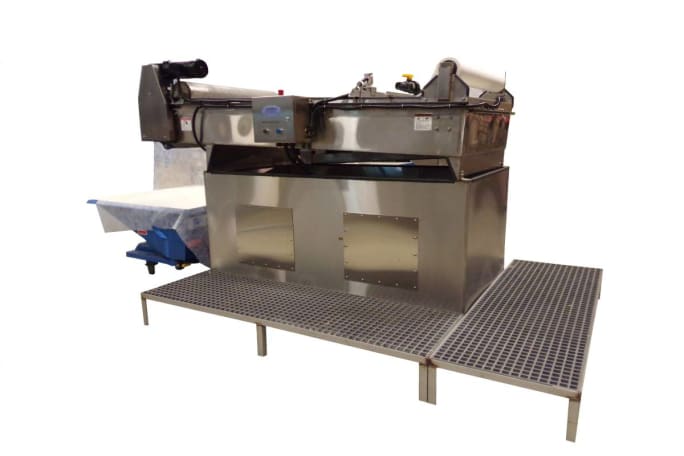
In contrast to labor-intensive multiple step processes, automated wastewater treatment can help to streamline production, usually with a one-step process, while lowering costs at motor vehicle service facilities.
Photo: Sabo Industrial
Cost-Effective, Automated Wastewater Treatment
In contrast to labor-intensive multiple step processes, automated wastewater treatment can help to streamline production, usually with a one-step process, while lowering costs at motor vehicle service facilities.
An automated wastewater treatment system can eliminate the need to monitor equipment in person while complying with EPA and locally mandated requirements. Such automated systems separate suspended solids, emulsified oil and heavy metals, and encapsulate the contaminants, producing an easily de-waterable sludge in minutes, according to motor vehicle service consultants at Sabo Industrial Corp., a New York-based manufacturer, distributor, and integrator of industrial waste treatment equipment and solutions.
The water is typically then separated using a de-watering table or bag filters before it is discharged into motor vehicle waste disposal wells, or potentially sewer systems. Other options for de-watering include using a filter press or rotary drum vacuum. The resulting solids are non-leachable and considered non-hazardous, so will pass all required testing.
These systems are available as manual batch processors, semi-automatic, and/or automatic, and can be designed to provide a legally dischargeable effluent suitable for the sewer system. A new, fully customized system is not always required. In many cases, it can be faster and more cost effective to add to or modify a facility’s current wastewater treatment systems when this is feasible.
However, because every wastewater stream is unique to its industry and application, each wastewater treatment solution must be suited to or specifically tailored to the application.
The first step in evaluating the potential cost savings and effectiveness of a new system is to sample the wastewater to determine its chemical make-up followed by a full review of EPA and local water authority requirements, said motor vehicle service consultants at Sabo Industrial.
The volume of wastewater that will be treated is also analyzed to determine if a batch unit or flow-through system is required. Other considerations include the size restrictions so the system fits within the facility’s available footprint.
Separating Agents
Despite all the advances in automating wastewater treatment equipment, any such system requires effective separating agents which agglomerate with the solids in the wastewater so the solids can be safely and effectively separated out.
Today’s automated systems along with the most effective separating agents can provide motor vehicle service shops with an easy, cost-effective alternative so they remain compliant with the EPA and local ordinances. Although there is a cost to these systems, they do not require much attention and can easily be more economical than paying fines or hauling.
Subscribe to Our Newsletter
More Operations

Is Keeping Older Fleet Vehicles Really Saving Money?
Is keeping vehicles longer saving money, and what happens when a diagnostic test points to the wrong fix?
Read More →
How Smart Fleet Strategy Can Help Local Government Agencies Do More with Less
Keeping a vehicle longer may ease this year’s budget, but what does it cost the next one? A closer look at fleet decisions can reveal opportunities to reduce spending while protecting essential services.
Read More →
Connect with Government Fleet on LinkedIn
From industry news and fleet management strategies to conversations with peers, Government Fleet's LinkedIn page offers public-sector fleet professionals another way to stay informed and connected.
Read More →
Town of Queen Creek Named Most Successful Fleet Award Winner of Inaugural RTA Fleet Success Awards
Five fleets were honored at RTA Connect 2026 in Chicago for excellence across resource efficiency, intentional culture, risk management, and stakeholder satisfaction.
Read More →
Sponsored•October 14, 2026
A buyer's guide to fleet management software in 2027
Buying fleet management software in 2027 means looking beyond features and price. As fleet operations, technology and expectations evolve, this guide explores what today’s fleet professionals should consider when choosing a system that can deliver value now and adapt to what comes next.
Read More →
Hazard Alerts, Fleet Car Sales Rise and a New Shuttle Concept
Fleet car sales doubled, but the bigger picture tells a different story in this week’s roundup.
Read More →
How St. Johns County Turned Fleet Data Into Better Replacement Decisions
St. Johns County, Florida, had fleet data, but turning it into reliable decision guidance was another matter. Instead of starting over with a new fleet management system, the county connected existing tools and built a scoring system that gives managers an objective look at fleet health.
Read More →
Fleet Forward Conference Introduces One-Day Passes for 2026
New one-day registration lets fleet professionals attend Tuesday, Wednesday, or Thursday, with passes available for $249.
Read More →
ENC Unveils its ZAVIR Medium-Duty Shuttle
Two variants of the concept shuttles were revealed: a low-floor configuration and a high-floor configuration.
Read More →
Could Your Next Fleet Technician Start as an Intern?
What if your next technician hasn’t worked in a fleet shop yet? What fleets are doing to free up time.
Read More →