




NYSDOT Reminds Motorists to Drive Carefully in Winter Weather Events
ALBANY, NY - The New York State Department of Transportation (NYSDOT) issued a release reminding travelers to drive safely in winter weather conditions and to use caution near department snowfighting equipment.
ALBANY, NY - The New York State Department of Transportation (NYSDOT) issued a release reminding travelers to drive safely in winter weather conditions and to use caution near department snowfighting equipment.
NYSDOT strives to have roads cleared of snow and ice within two hours after a storm ends. Approximately 3,650 trained snowplow operators and supervisors are responsible for keeping nearly 38,635 lane miles of state roadway clear day and night. A fleet of more than 1,400 snowplows, 335 bucket loaders, which are used for loading salt into snowplows, and 50 snow blowers, are used by the Department for routine winter operations. Approximately 900,000 tons of salt along with a variety of other anti-icing chemicals are used each season, depending on weather severity, throughout the winter. The Department's budget for keeping the roads clear this winter is $300 million.
Snowplows travel at about 35 miles per hour - which in many cases is lower than the posted speed limit - in order to ensure that salt being dispersed stays in the driving lanes and does not scatter off the roadways. Oftentimes on interstate highways, snowplows will operate side by side to clear several lanes at one time.
Motorists and pedestrians should never assume a snowplow driver can see them. Snowplow drivers have limited sight distances, with the wing blades of the vehicle obscuring their side views. The size and weight of snowplows make it very difficult to maneuver and stop quickly. Snow blowing from behind the plow can severely reduce visibility or cause "whiteout" conditions. Motorists should not attempt to pass snowplows or follow too closely. The safest place for motorists is well behind the snowplows where the roadway is clear and salted.
On occasion winter storms can cause power outages at intersections, causing lighting signals to fail to work. Pursuant to Vehicle and Traffic Law, motorists are advised that at intersections where the traffic control signal is not working at all they should proceed as they would at a stop sign, unless otherwise directed by a police officer on site.
The Department's website features an interactive safe driving Web experience that includes tips for safe driving in winter weather conditions.
Some of the most important tips for safe winter driving include:
Never follow a snowplow too closely or attempt to pass one. Remember that the highway ahead of the plow is usually snow-covered;
During a winter storm, drivers will encounter snow- and ice-covered roads even when plows are operating. Drivers must exercise extreme care and diligence while traveling during winter weather;
Adjust speed for road conditions and maintain a safe distance from other vehicles;
Schedule extra time for winter travel and be patient during ice and snow removal operations;
Assume that bridge surfaces are slippery, as they freeze more quickly than road surfaces;
Have a cell phone handy, if possible;
Never venture from your vehicle if snowbound;
Equip your car with emergency supplies including sand, shovel, flares, booster cables, rope, ice scraper, portable radio, flashlight, and extra warm clothes;
Inform a responsible person of your destination, intended route, and estimated time of arrival; and
Keep calm and do not panic in case of a vehicle breakdown, accident, or if you become snowbound.
More Safety

New York City Expands Safety Technologies Across Municipal Fleet
Executive Order 19 moves intelligent speed assistance and pedestrian alerts from pilot programs toward standard fleet equipment, offering other public fleets a look at how safety technology can be tested, measured, and scaled.
Read More →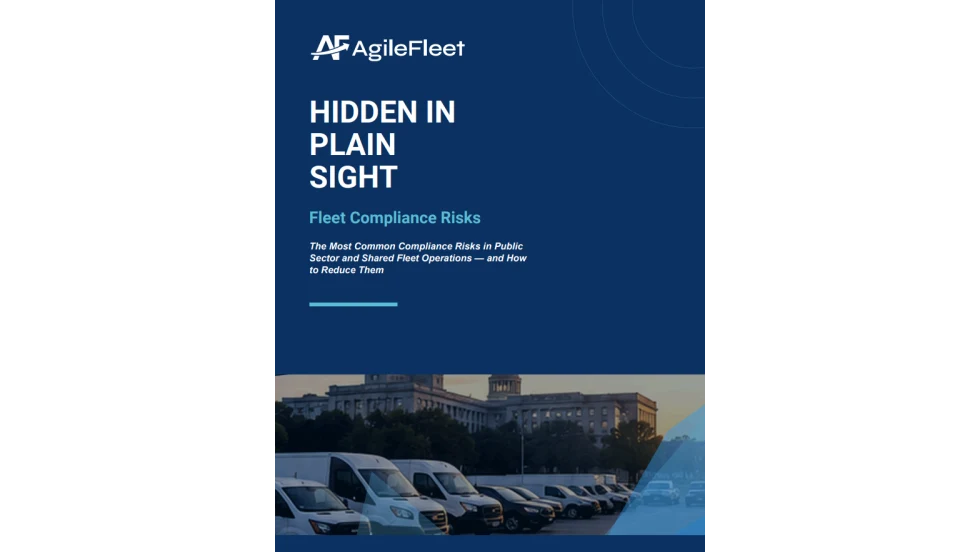
Hidden in Plain Sight: Fleet Compliance Risks
Fleet compliance isn't just about having policies — it's about consistently enforcing them. This practical guide reveals six hidden compliance risks common in public sector and shared fleet operations and outlines proven strategies to improve visibility, accountability, and audit readiness.
Read More →
5 Days Left to Submit Your 2026 Fleet Safety Award Nomination
Know a government fleet, safety, or risk manager who deserves recognition for making fleet operations safer? Nominations are open through Aug. 15.
Read More →
How the First 24 Hours Can Shape a Fleet Crash Response
How a strong accident response process helps government fleets move from the initial report to recovery while building a clearer record for what needs to change next.
Read More →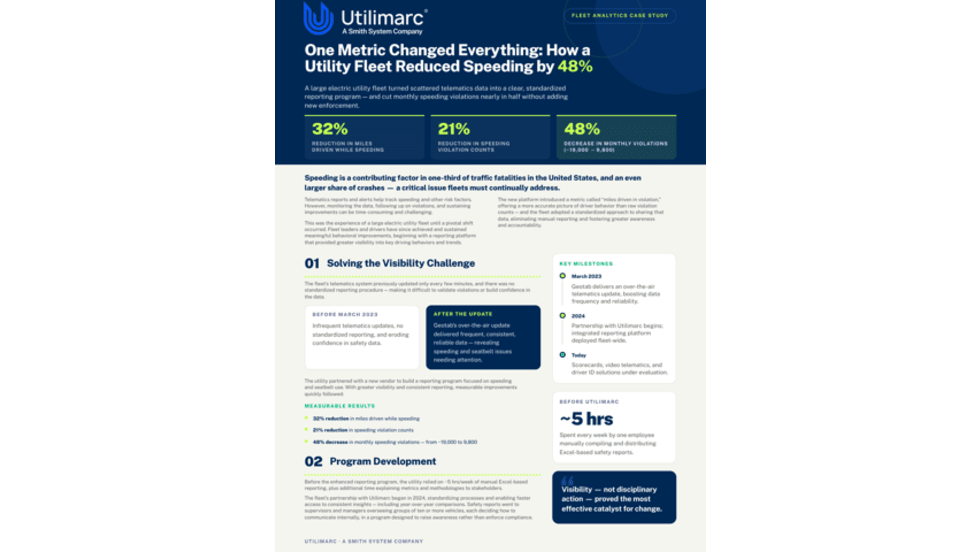
How Better Visibility Cut Speeding Violations by 48%
Fleet leaders don't need more data, they need clearer visibility into what the data is saying. This case study explores how one utility replaced speeding-event counts with a single metric — miles driven in violation — to strengthen safety and significantly reduce speeding violations.
Read More →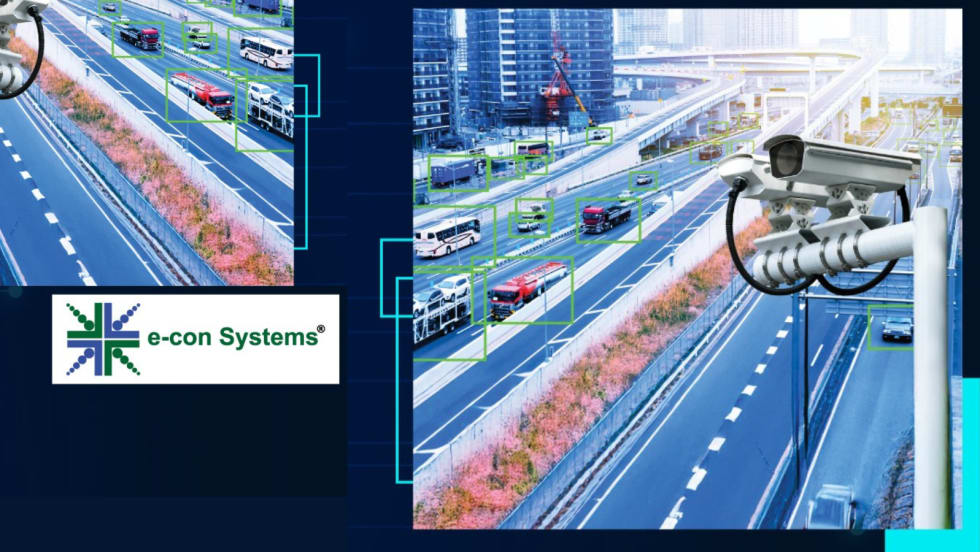
e-con Systems Expands AI Camera Tools for Traffic Monitoring
The systems support license plate recognition, traffic analytics, and video management for transportation agencies.
Read More →
King Township Pilot Links Driver Feedback to Reduced Speeding
How King Township, a best-in-class municipal fleet, reduced speeding by 10.9% and demonstrated a projected 349% ROI by putting safety ownership directly in drivers' hands.
Read More →
Beyond the Fireline: The Critical Role of Public Fleets in Wildfire Response
Behind every wildfire response is a complex network of vehicles, data, and decisions that must work in sync under extreme pressure. Global heating trends require strong fleet coordination and reliable communications to keep crews safe and operations running smoothly.
Read More →
How AI Is Transforming Public Fleet Safety - Part 1
AI-powered safety systems are helping public fleets tackle distracted driving by delivering real-time coaching and measurable behavior change behind the wheel. In part one of our Q&A, Nauto CEO Stefan Heck explains how agencies can improve safety, reduce costs, and navigate implementation challenges with AI-driven technology.
Read More →
Reducing Risk and Improving Safety in Public Sector Fleets with Advanced Driver-Assist Technology
Public sector fleets face increasing pressure to improve safety, reduce liability, and operate efficiently. See how advanced vehicle technologies are helping agencies protect drivers, the public, and their budgets.
Read More →