



D.C. Ride-Hailing by the Numbers:
Average Ride Distance: 3 miles
Average Cost: $6.42 per ride
Rides in Oct. 2019: 772
Private vs. Shared Rides: 65%-35%
 MENU
MENU SEARCH
These unique programs help expand mobility not just for employees, but also for residents.
These unique programs help expand mobility not just for employees, but also for residents.
Image: Getty Images
Motor pools are an effective way to reduce fleet costs and assets while ensuring that employees’ transportation needs are met. And automated motor pool systems have made operating motor pool programs easier for fleet employees and more flexible and user-friendly for drivers. But several cities have programs that push the boundaries of mobility. Here’s what they’re doing.
The City of Santa Barbara, Calif., is a beach town with less than 20 square miles of land. With such a small area to cover, vehicle utilization was low. Fleet Manager Gary Horwald set up a motor pool in 2009 to reduce the number of underutilized vehicles assigned to user departments, a project that reduced the fleet by 25 vehicles and now consists of 27 vehicles — mostly sedans and SUVs, but also a dump truck and a forklift.
To further improve utilization, the city started a rideshare program in 2010 as part of a larger work trip program. The rideshare program allows employees to join a carpool and take home a fleet vehicle as long as they can get it back to the office the next morning.
“We had a fleet of vehicles that were underutilized because they sat at night,” Horwald explained. “We thought we could meet two needs by implementing a program such as this. At no additional capital cost, we could allow people to drive these vehicles home and it would be a retention tool, an employee benefit, and second, they would pay the incremental cost so there would be no cost to the city.”
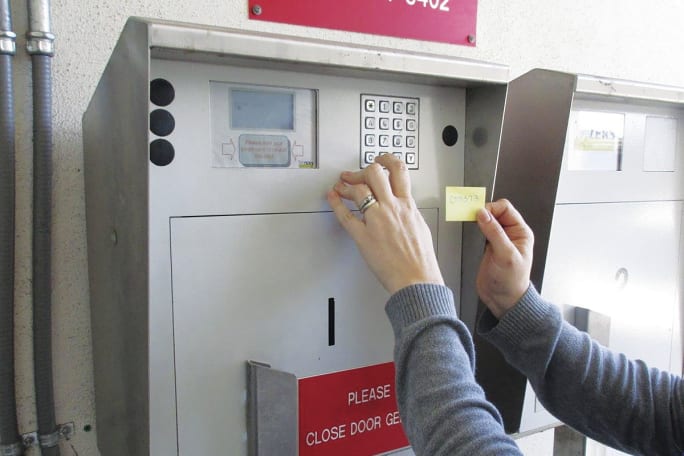
Employees in the City of Santa Barbara, Calif., can check out a vehicle to drive home at the end of the workday.
Photo courtesy of Santa Barbara County
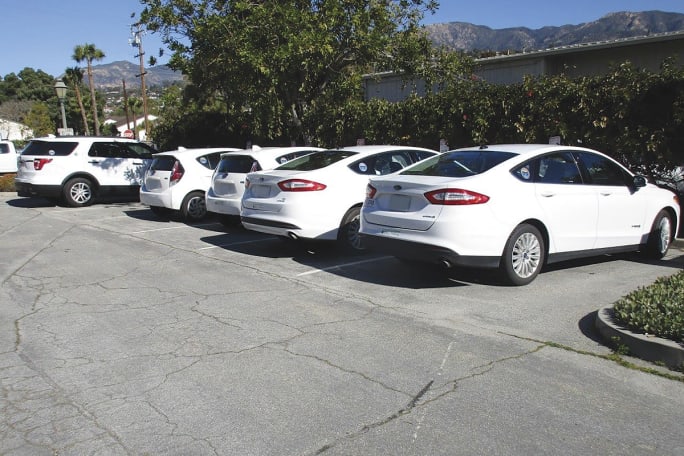
Most rideshare vehicles belong to the motor pool and can be checked out for city business during the day.
Photo courtesy of Santa Barbara County
Employees pay a 30-cent-per-mile fee, calculated from the city to the residence where the vehicle is parked, split among all riders. This covers maintenance, tires, fuel, and insurance. Most vehicles in the rideshare program are motor pool vehicles, but a couple are assigned to user agencies.
Right now, about 12 cars are taken home each night, and 37 participants drive anywhere from eight to 60 miles to their homes. Each rideshare vehicle carries between two and six employees, and the vehicle must be parked in a driveway or garage.
The city self-insures, and rideshare drivers are covered if they get into a collision, which Horwald says has happened. Another issue that has come up is the rare case when a vehicle doesn’t make it back to the city in the morning, such as if one participant is out on vacation and the second rider in that vehicle is sick and takes the day off. The vehicle ends up sitting in someone’s driveway or garage up to 60 miles away.
Horwald has had to talk to participants to remind them that the program is a privilege, not a right, and that the vehicle must be returned. He added that the rideshare policy states that the purpose of fleet vehicles is for employee use for business during the day. Mobility Coordinator Sam Furtner has a face-to-face meeting with new riders to explain this to them and reiterate that the vehicle must be returned in the morning. He said this is especially important if there are emergencies or natural disasters and vehicle availability is crucial.
Any employee in the work trip program (those who have taken buses, bikes, or rideshare vehicles to commute to work) can also borrow a city vehicle for personal business, such as for doctor’s appointments, Furtner added.
Because the program is small, he and Horwald work with participants as issues come up.
“It’s really hard to make a set of rules that are cut and dried and allow for every possible scenario that can come up,” Horwald added. But so far, it’s working out, and the city will continue the program.
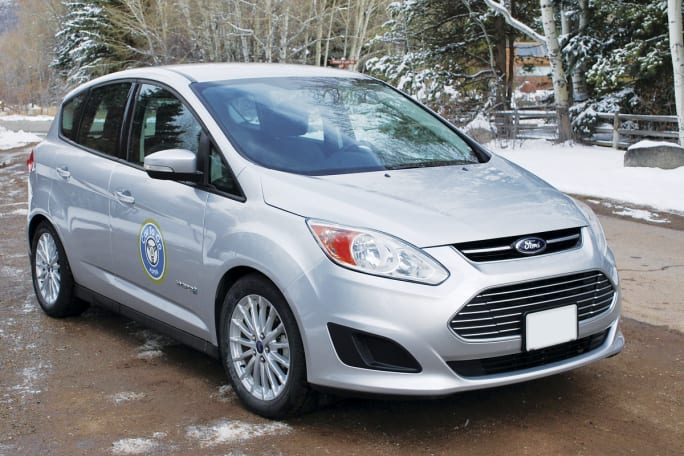
The City of Aspen, Colo., has a fleet that residents can check out. Most vehicles are hybrid or electric vehicles, but the pool also includes a truck.
Photo courtesy of City of Aspen
The City of Aspen, Colo., has its own fleet for official business use, but it also has a program — Car To Go — that allows the public to check out vehicles from a separate motor pool owned by the city. The program consists of eight hybrid and electric vehicles from Ford, Chevrolet, and Toyota, as well as a Chevrolet Silverado truck.
Car To Go, which started in 2001 and is operated by the Transportation Department, accommodates individual and corporate memberships. Members must apply and be approved, including by the insurer, and pay a $10 monthly membership fee as well as an hourly fee and a per-mile rate, plus tax. The rate is $5 hourly, and between $0.45 and $0.50 per mile for standard cars and SUVs or trucks (in 2019, there was no per-mile charge for the electric car). Members can also choose to pay a $75 daily rate for longer trips.
The city purchases and maintains all the vehicles, and one full-time employee manages the program with the help of a reservation and billing software program, said Lynn Rumbaugh, transportation programs manager.
The fees allow the city to recoup most operational expenses. It also helps the city achieve its decades-old goal of keeping traffic at or below 1993 levels in perpetuity. Rumbaugh said the program allows residents to reduce personal vehicle ownership and businesses to reduce private fleet needs, and bus commuters have vehicle access instead of driving a car “just in case.”
“Car To Go also seeks to encourage cleaner technology. The recent addition of a Chevy Bolt allows our members to familiarize themselves with electric cars,” Rumbaugh added.
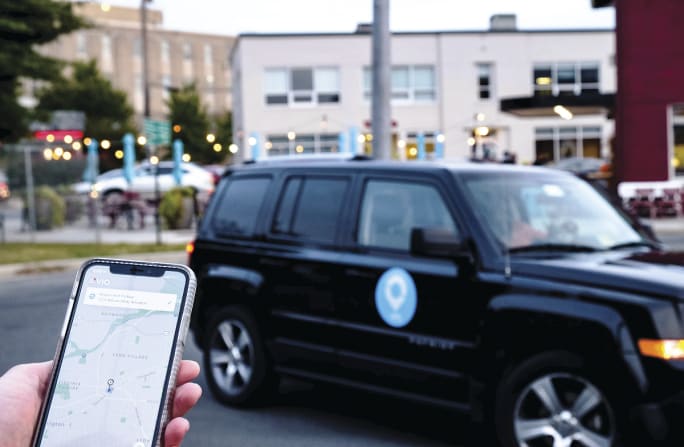
Washington, D.C. employees working for participating departments can hail a ride using the Via app, which costs less than other forms of transportation, including taxis or renting out a motor pool vehicle.
Photo courtesy of Via Transportation
Riders love using the Washington D.C. Department of Public Works’ (DPW) ride-hailing program, launched earlier this year as an alternative to its motor pool, Fleet Share.
“The employees that are using it are big fans,” said Ryan Frasier, DPW Fleet Management Administration acting associate administrator. “We have had a lot of calls from agencies that don’t use the program yet, just riders asking how to get on board.” Individual departments can sign up to join the program, and employees moving to a new department without it sometimes urge that department to sign up, he explained.
The Via ride-hailing app works much like other ride-hailing apps. Riders request a ride, and a Via car and driver takes them to their destination, limited to within Washington D.C. The app also tries to match riders based on their destination so they can share the ride, lowering costs for each rider. The company bills DPW, which later bills departments based on use.
“Since it’s still such a new program and there are still agencies joining up, we’re trying to get more ridership,” Frasier said, adding that 11 departments are signed up to use it. “The goal is that it’s going to save us from having to purchase new vehicles in the fleet.”
But he added that the Fleet Share motor pool fleet isn’t going away any time soon. That pool consists of about 100 vehicles, including sedans, SUVs, minivans, cargo vans, and trucks, and Frasier said it’s a great option for those departments that don’t have enough vehicles, have drivers carrying equipment, or have employees going on extended trips or to remote locations.
Data released in April showed that the program was also expected to be significantly cheaper than other options. A ride with Via costs between $0.56 and $1.06 per mile, depending on whether it’s shared or private. In comparison, a taxi was projected to cost $2.16 per mile and a motor pool car to cost $3.82 per mile. While the department hasn’t conducted further analysis, Frasier believes these numbers are still accurate.
Frasier said ease of use is the other major benefit — not just for drivers who don’t have to circle around to look for parking, but also for fleet managers. “We don’t worry about maintenance, fueling up — we’re just monitoring ridership, and it’s very simple as a fleet manager,” he said.
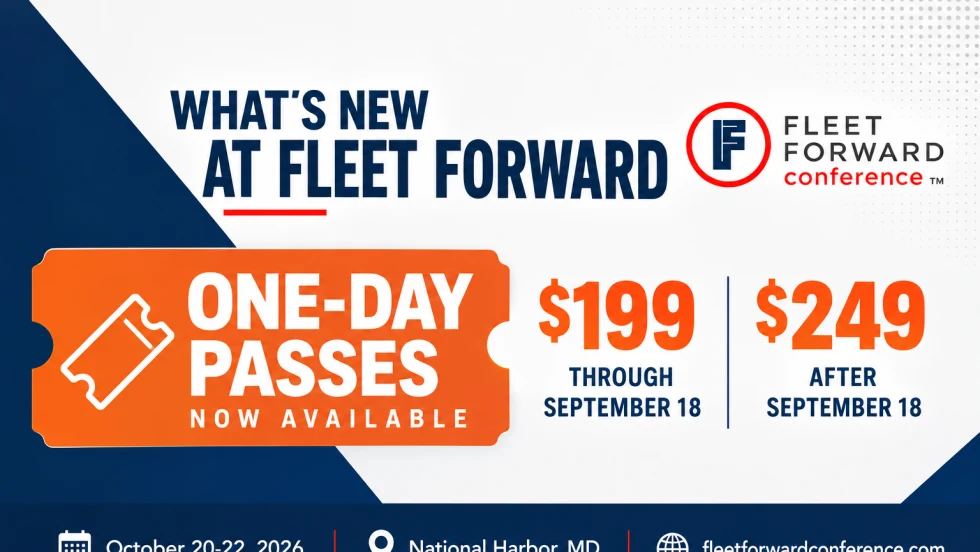
New one-day registration lets fleet professionals attend Tuesday, Wednesday, or Thursday, with passes available for $249.
Read More →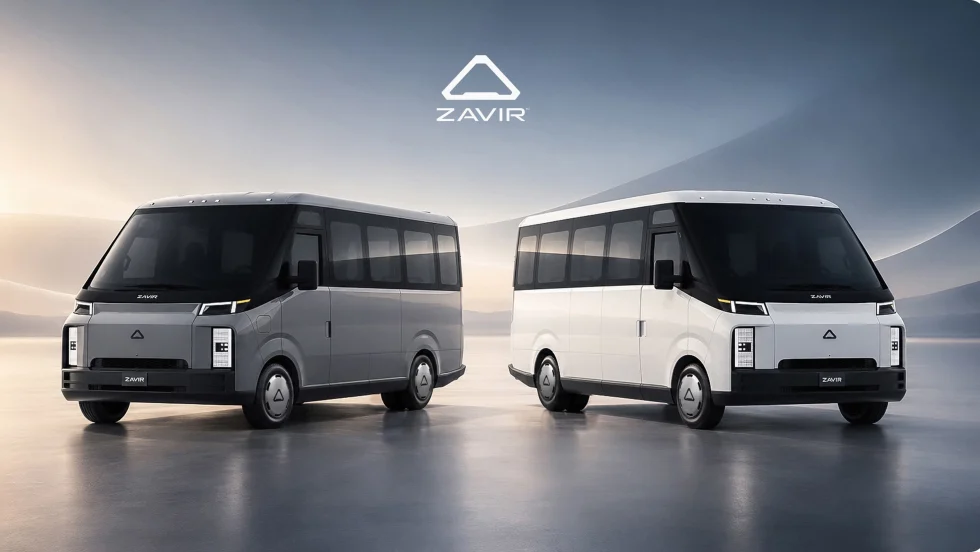
Two variants of the concept shuttles were revealed: a low-floor configuration and a high-floor configuration.
Read More →
What if your next technician hasn’t worked in a fleet shop yet? What fleets are doing to free up time.
Read More →
With more than 8,000 vehicles and pieces of equipment to maintain, the City of Phoenix could not afford to wait for fully trained technicians to walk through the door. Instead, they revamped their entire workforce strategy and showed how public fleets can create their own talent pipeline while preparing existing employees for increasingly complex vehicles.
Read More →
Could a change in how work gets done help your fleet return vehicles to service sooner?
Read More →
Public fleets have more data than ever, but inconsistent records and missing information can still undermine maintenance, replacement, and cost decisions.
Read More →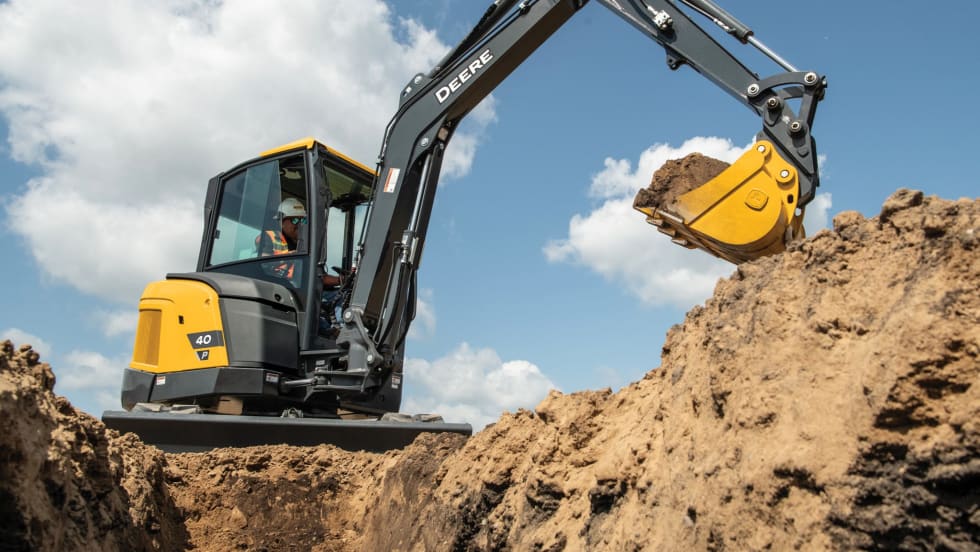
John Deere is adding a compact excavator designed for crews that need to move equipment between jobsites and handle multiple types of work with one machine. The 40 P-Tier weighs less than 10,000 pounds and offers configurable hydraulics, attachment options, and connected fleet-management capabilities.
Read More →
This week, we look at what past Leading Fleet winners can teach us about making progress, plus how to build a business plan your fleet will actually use.
Read More →
Do you know a fleet leader who has made a lasting impact on the industry? Nominate this fleet professional for the 2027 Public Fleet Hall of Fame.
Read More →
A fleet business plan should help agency leaders understand the fleet’s value, give the organization a clear direction, and establish shared expectations with customer departments.
Read More →