




City of Calgary Selects Stertil-Koni Lifts for New Maintenance Facility
The City of Calgary in Alberta, Canada, has selected Stertil-Koni vehicle lifting systems for its new Stoney Transit Facility bus storage and maintenance structure.

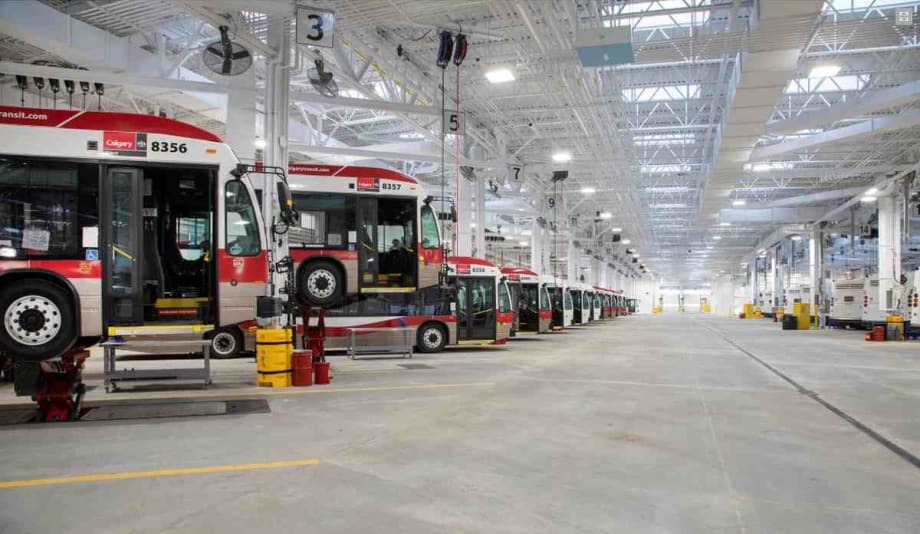
Photo courtesy of Stertil-Koni
Heavy duty bus lift and truck lift supplier Stertil-Koni announced that the City of Calgary, located in the province Alberta, Canada, has selected the company’s vehicle lifting systems for its new Stoney Transit Facility bus storage and maintenance structure.
At 476,841 sq. feet, the building is said to be the largest indoor compressed natural gas (CNG) complex in North America and one of the largest in the world.
Driving the demand for the super structure were three key factors:
The need for more bus storage, as Calgary phases out its diesel engine buses and adds an additional 150 CNG-powered buses and ultimately expands its total number of buses to more than 2,000 over the next 30 years
Technologically advanced infrastructure and equipment to support cleaner-burning CNG buses
Expanded service and repair infrastructure to support the anticipated addition of 1,000 buses to the City of Calgary’s fleet.
Construction on the facility began in the fall of 2016 with a grand opening in March 2019. The $174 million complex has 83 garage doors, 36 service bays, and 25 technicians capable of handling up to 470 transit buses. The expansive shop houses two cleaning bays, diesel and CNG fueling, storage for a growing transit fleet, as well as administrative office space.
In terms of daily operations — ranging from mechanical work, repair and service, as well as the cleaning and fueling of transit vehicles — the facility is open 24/7.
Helping to make the new project happen was Stertil-Koni distributor Westvac Industrial. Stertil-Koni lifting systems provided to the Stoney Transit Facility by Westvac Industrial included:
17 in-ground Stertil-Koni Ecolift 60 models, each with two scissors for a total lifting capacity of 60,000 lbs. per lift;
15 in-ground Stertil-Koni Ecolift 90 models, each with three scissors for a total lifting capacity of 90,000 lbs. each;
Two Washbay platform Skylift models, each with a lifting capacity of 62,400 lbs.; and
10 Wireless Mobile Column Lifts, each with a lifting capacity of 18,500 lbs. per column.
More Operations
A Thanksgiving Feast of Fleet Features
This Thanksgiving, revisit five Government Fleet stories about how public fleets handled some of the year’s most familiar challenges.
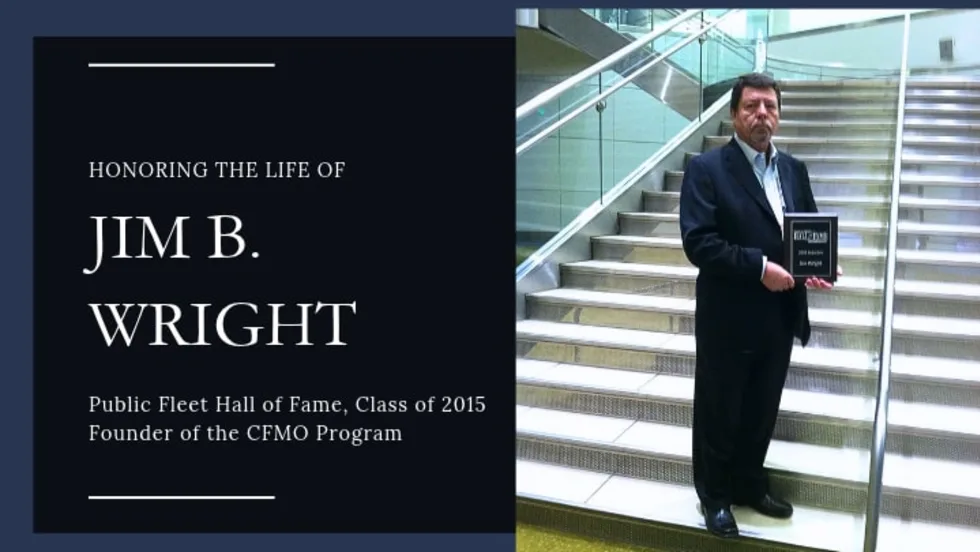
Remembering Jim Wright, Public Fleet Hall of Famer and CFMO Founder
James 'Jim' B. Wright, who founded the Certified Fleet Management Organization (CFMO) program and guided it for many years, died Wednesday evening, Nov. 18.

What Fleet Metrics Can Miss, Plus 2027 Police Vehicle Tests and Awards
What could a healthy-looking fleet metric be hiding? This week’s roundup looks at when to dig deeper, how 2027 patrol vehicles performed in preliminary tests, and how to apply for the Police Fleet Innovators Award.

What Can Disappear After a Fleet Crash?
This week, we look at drone footage, what fleets should document before repairs begin, and share a quick poll.

Does Your Government Fleet Handle Refuse and Waste Operations? Take Our Poll
Government Fleet wants to hear from public-sector fleet professionals about their responsibilities for refuse collection and waste management equipment.

Fleet Replacement Decisions, Waste Fleet Technology and the GFX Deadline
Is your next vehicle the right fit, can your records settle a missed pickup dispute, and what could your fleet teach others at GFX 2027?

Is Delaying Fleet Replacement Really Saving Money?
Could delaying replacement cost your fleet more than it saves? This week’s recap takes a closer look, plus an update on GFX 2027.

What Government Fleets Are Missing About Their True Costs
What are fleet budgets missing, and how can agencies use the data they already collect to make a stronger case for change?

Rethinking Fleet Decisions From the Budget Office to the Shop
This October we looked back at how public fleets are reconsidering familiar processes and using what they learn to make better decisions.

Who Owns the Message on a Refuse Truck?
Refuse trucks can carry public messages into neighborhoods, but keeping those messages current takes planning and clear responsibility.