





Related: W.V. Chief Justice Misused Fleet
Another W.Va. Justice Charged for Vehicle Misuse
W.Va. Supreme Court Justice Menis Ketchum used his state-issued vehicle and state-issued fuel card on several trips to golf clubs between 2011 and 2014.
August 22, 2018

Photo courtesy of West Virginia Governor's Office
2 min to read
A justice from West Virginia’s Supreme Court has resigned and will plead guilty for wire fraud, stemming from an audit on vehicle misuse that forced the court to suspend its chief justice in June. This is part of a larger effort to identify fraud and corruption within the state Supreme Court.
In July, W.V. Supreme Court Justice Menis Ketchum announced he would retire at the end of the month. He did not provide a reason for leaving.
Shortly after, it was revealed that Ketchum used a state-owned vehicle and state-owned credit card for personal use, reported the Charleston Gazette-Mail. Court documents revealed that Ketchum used his state-issued vehicle and state-issued fuel card on several trips to golf clubs between 2011 and 2014. On one such trip, Ketchum racked up 400 miles on his fleet vehicle. Ketchum agreed to plead guilty to one count of wire fraud as part of a plea deal with federal prosecutors. One count of wire fraud reportedly carries a maximum sentence of 20 years and a $250,000 fine.
Ketchum’s resignation is part of a larger investigation into corruption in West Virginia’s Supreme Court. In late May, an audit revealed that Chief Justice Allen Loughry misused fleet vehicles in at least 14 instances. Loughry was indicted on 22 charges of fraud, providing false statement, and witness tampering.
In August, after Ketchum’s retirement went into effect, state legislators passed articles of impeachment against Loughry and the three remaining Supreme Court justices on maladministration, corruption, incompetency, neglect of duty, and certain high crimes, reported the Charleston Gazette-Mail. One of the impeached justices announced plans to retire, while the other two plan on staying.
More Operations
Is Delaying Fleet Replacement Really Saving Money?
Could delaying replacement cost your fleet more than it saves? This week’s recap takes a closer look, plus an update on GFX 2027.
Read More →
What Government Fleets Are Missing About Their True Costs
What are fleet budgets missing, and how can agencies use the data they already collect to make a stronger case for change?
Read More →
Rethinking Fleet Decisions From the Budget Office to the Shop
This October we looked back at how public fleets are reconsidering familiar processes and using what they learn to make better decisions.
Read More →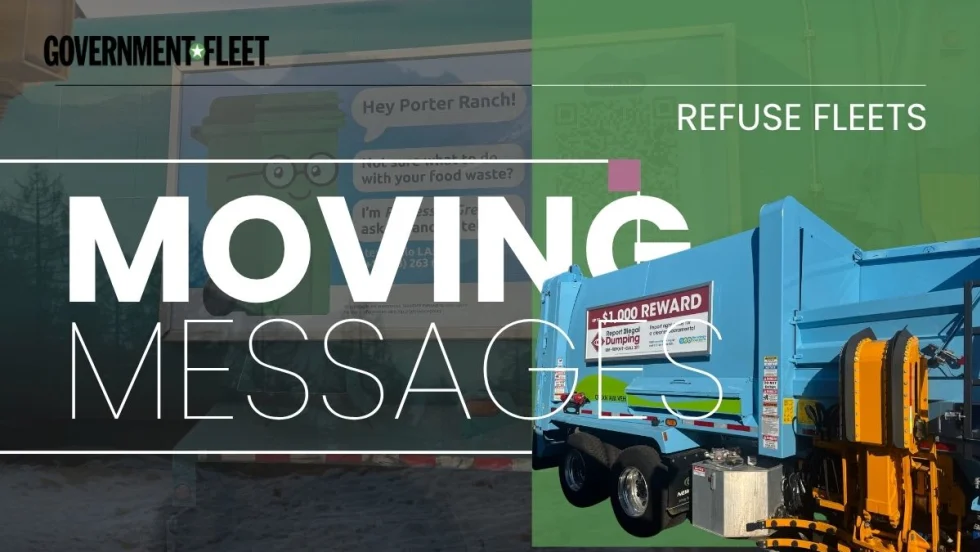
Who Owns the Message on a Refuse Truck?
Refuse trucks can carry public messages into neighborhoods, but keeping those messages current takes planning and clear responsibility.
Read More →
Who Deserves Fleet Recognition and What Could You Teach at GFX?
Who helped shape your fleet career, and what have you learned that could help someone else?
Read More →
What’s Haunting Public Sector Fleets?
Public sector fleet challenges rarely happen in isolation, and addressing one often means understanding how it connects to another.
Read More →
Is Keeping Older Fleet Vehicles Really Saving Money?
Is keeping vehicles longer saving money, and what happens when a diagnostic test points to the wrong fix?
Read More →
How Smart Fleet Strategy Can Help Local Government Agencies Do More with Less
Keeping a vehicle longer may ease this year’s budget, but what does it cost the next one? A closer look at fleet decisions can reveal opportunities to reduce spending while protecting essential services.
Read More →
Connect with Government Fleet on LinkedIn
From industry news and fleet management strategies to conversations with peers, Government Fleet's LinkedIn page offers public-sector fleet professionals another way to stay informed and connected.
Read More →
Town of Queen Creek Named Most Successful Fleet Award Winner of Inaugural RTA Fleet Success Awards
Five fleets were honored at RTA Connect 2026 in Chicago for excellence across resource efficiency, intentional culture, risk management, and stakeholder satisfaction.
Read More →