




Rightsizing Could Help Oregon DOT Reduce Fleet
The State of Oregon plans to conduct an efficiency study to determine where fleet reductions can be made following a management assessment of the Oregon Department of Transportation.
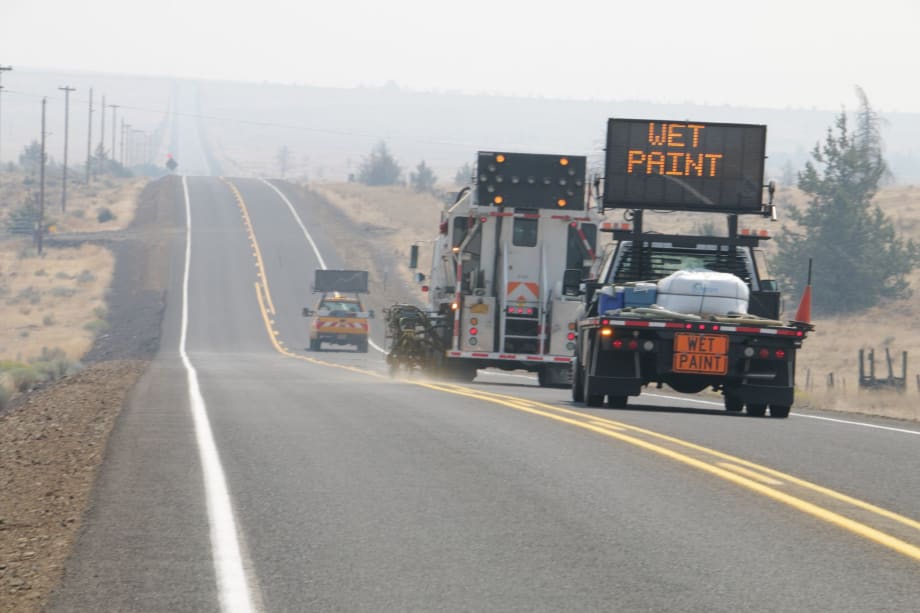
Photo via Flickr/Oregon DOT
Photo via Flickr/Oregon DOT
The State of Oregon plans to conduct an efficiency study to determine where fleet reductions can be made following a management assessment of the Oregon Department of Transportation (ODOT).
The audit, conducted by a private firm and released in late January, was submitted to the Department of Administrative Services, on behalf of the state, to assess ODOT's overall operations, including organizational structure, decision-making, communications methods, and external relations.
The report included an efficiency and optimization assessment of fleet and facilities based on recent department data, interviews with team leaders, and comparison to other public and private agencies. It noted the fleet's reliance on informal systems and workarounds, which kept the fleet from reaching maximum efficiency, reports The Oregonian.
Recommendations included clarifying the role of the Office of Procurement and user departments in the procurement office and standardizing fleet maintenance practices. The report also noted that 459 light-duty vehicles have below-average utilization, and 174 report utilization of less than half of the average. If rightsizing is implemented, the report identified 355 light- and medium-duty vehicles that could potentially be cut. It also suggested pooling underutilized vehicles.
Based on this report, the Oregon Department of Administrative Services has released its own set of recommendations for ODOT, reports the Portland Tribune. This includes contracting an outside efficiency consultant to review the fleet and facilities program to get specific recommendations on the best way to reduce vehicles by July 2018.
More Operations
Does Your Government Fleet Handle Refuse and Waste Operations? Take Our Poll
Government Fleet wants to hear from public-sector fleet professionals about their responsibilities for refuse collection and waste management equipment.
Read More →
Fleet Replacement Decisions, Waste Fleet Technology and the GFX Deadline
Is your next vehicle the right fit, can your records settle a missed pickup dispute, and what could your fleet teach others at GFX 2027?
Read More →
Is Delaying Fleet Replacement Really Saving Money?
Could delaying replacement cost your fleet more than it saves? This week’s recap takes a closer look, plus an update on GFX 2027.
Read More →
What Government Fleets Are Missing About Their True Costs
What are fleet budgets missing, and how can agencies use the data they already collect to make a stronger case for change?
Read More →
Rethinking Fleet Decisions From the Budget Office to the Shop
This October we looked back at how public fleets are reconsidering familiar processes and using what they learn to make better decisions.
Read More →
Who Owns the Message on a Refuse Truck?
Refuse trucks can carry public messages into neighborhoods, but keeping those messages current takes planning and clear responsibility.
Read More →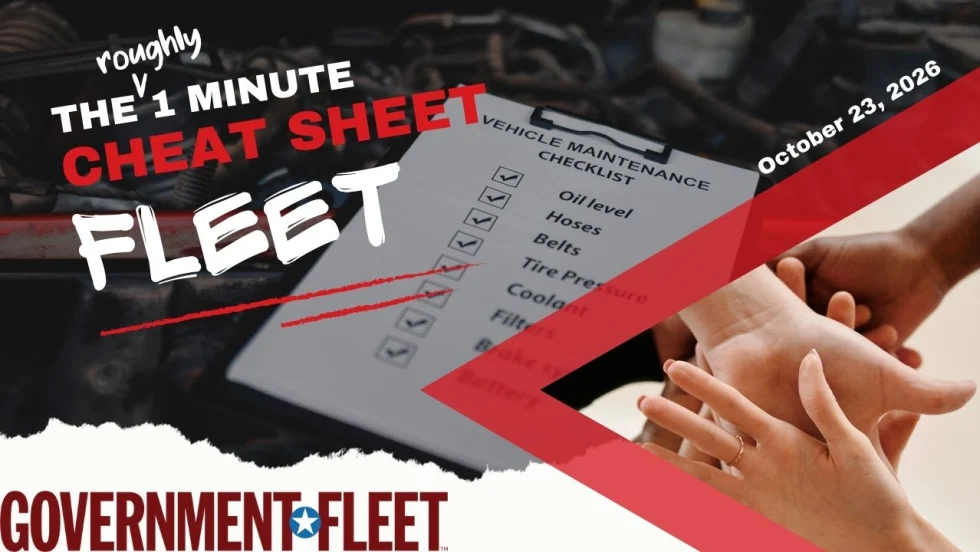
Who Deserves Fleet Recognition and What Could You Teach at GFX?
Who helped shape your fleet career, and what have you learned that could help someone else?
Read More →
What’s Haunting Public Sector Fleets?
Public sector fleet challenges rarely happen in isolation, and addressing one often means understanding how it connects to another.
Read More →
Is Keeping Older Fleet Vehicles Really Saving Money?
Is keeping vehicles longer saving money, and what happens when a diagnostic test points to the wrong fix?
Read More →
How Smart Fleet Strategy Can Help Local Government Agencies Do More with Less
Keeping a vehicle longer may ease this year’s budget, but what does it cost the next one? A closer look at fleet decisions can reveal opportunities to reduce spending while protecting essential services.
Read More →