




Related: Inside the Labor Rate Debate
Auditor Questions Fla. County’s Labor, Parts Rates
The Lake County, Fla., fleet management division has been charging too much for labor costs and too little for parts costs, according to an audit from the county’s inspector general’s office that analyzed Oct. 1, 2013 to April 30.
by Staff
December 24, 2015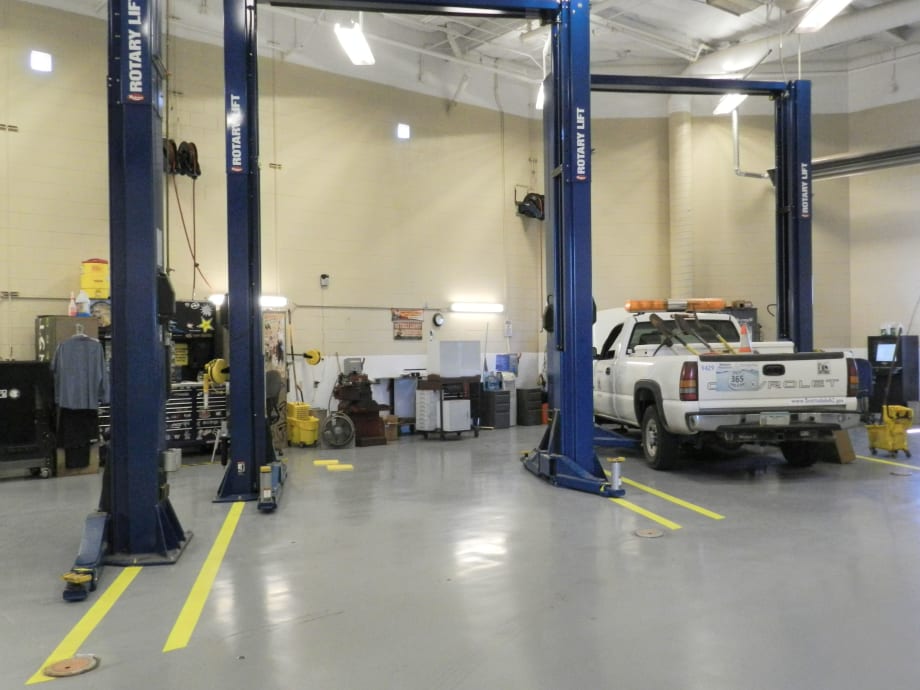
File photo
2 min to read
File photo
The Lake County, Fla., fleet management division has been charging too much for labor costs and too little for parts costs, according to an audit from the county’s inspector general’s office that analyzed Oct. 1, 2013 to April 30.
The division charges $68 per hour for labor costs, which the auditor calculates is more than enough to cover costs, and management’s recommended increase of the labor rate to $103 was unnecessary, according to the audit. Additionally, the division charges a 15% markup on parts, which the auditor said is too low. A 20.6% surcharge should be sufficient in 2015 and that management’s recommendation to change this to 36.8% was too high, the audit found.
The fleet division charges 15% for outsourced work, which the audit found to be too high. Fleet charges this amount for employee time spent on work orders and calls related to the repair, but with a 15% markup, the auditor found this once meant fleet charged a department $2,751 just to manage an outsourced job.
Management had already expressed to the county board the desire to absorb these costs into the shop rate and eliminate the processing fee for outsourced work, and the auditor stated that this was reasonable since minimal time is spent on this activity.
The billing errors can be corrected if the fleet division analyzes its actual costs periodically and adjusts its rates accordingly and stop billing customers a surcharge on outsourced work, according to the audit.
Other recommendations included changing county policy to require departments to use fleet management, which is currently not mandated. Fleet should also develop and implement written policies and procedures, including a procedure for making the decision to outsource work; improve work order processing; ensure that preventive maintenance is performed on all vehicles in accordance with established standards; establish a formal performance measurement system; and implement a system of standard labor times for repairs and maintenance for comparison purposes.
Except for the deficiencies noted, fleet is providing cost-effective service, billings accurately reflect actual costs, and fleet is being used properly by departments, the auditor’s report stated. The fleet unit's management agreed with the auditor’s recommendations and has begun implementing many of them.
For the full audit, click here.
More Operations
Who Deserves Fleet Recognition and What Could You Teach at GFX?
Who helped shape your fleet career, and what have you learned that could help someone else?
Read More →
What’s Haunting Public Sector Fleets?
Public sector fleet challenges rarely happen in isolation, and addressing one often means understanding how it connects to another.
Read More →
Is Keeping Older Fleet Vehicles Really Saving Money?
Is keeping vehicles longer saving money, and what happens when a diagnostic test points to the wrong fix?
Read More →
How Smart Fleet Strategy Can Help Local Government Agencies Do More with Less
Keeping a vehicle longer may ease this year’s budget, but what does it cost the next one? A closer look at fleet decisions can reveal opportunities to reduce spending while protecting essential services.
Read More →
Connect with Government Fleet on LinkedIn
From industry news and fleet management strategies to conversations with peers, Government Fleet's LinkedIn page offers public-sector fleet professionals another way to stay informed and connected.
Read More →
Town of Queen Creek Named Most Successful Fleet Award Winner of Inaugural RTA Fleet Success Awards
Five fleets were honored at RTA Connect 2026 in Chicago for excellence across resource efficiency, intentional culture, risk management, and stakeholder satisfaction.
Read More →
Sponsored•October 14, 2026
A buyer's guide to fleet management software in 2027
Buying fleet management software in 2027 means looking beyond features and price. As fleet operations, technology and expectations evolve, this guide explores what today’s fleet professionals should consider when choosing a system that can deliver value now and adapt to what comes next.
Read More →
Hazard Alerts, Fleet Car Sales Rise and a New Shuttle Concept
Fleet car sales doubled, but the bigger picture tells a different story in this week’s roundup.
Read More →
How St. Johns County Turned Fleet Data Into Better Replacement Decisions
St. Johns County, Florida, had fleet data, but turning it into reliable decision guidance was another matter. Instead of starting over with a new fleet management system, the county connected existing tools and built a scoring system that gives managers an objective look at fleet health.
Read More →
Fleet Forward Conference Introduces One-Day Passes for 2026
New one-day registration lets fleet professionals attend Tuesday, Wednesday, or Thursday, with passes available for $249.
Read More →