




Related: NYC Centralizes Collision Tracking With CRASH Database
NYC Expands Car Sharing in Fleet Reduction Plan
New York City has begun implementing a plan to eliminate nearly 10% of of its light-duty fleet vehicles by the end of 2020, following the passage of a city law requiring a formal car-sharing plan.

Paul Clinton・Senior Web Editor
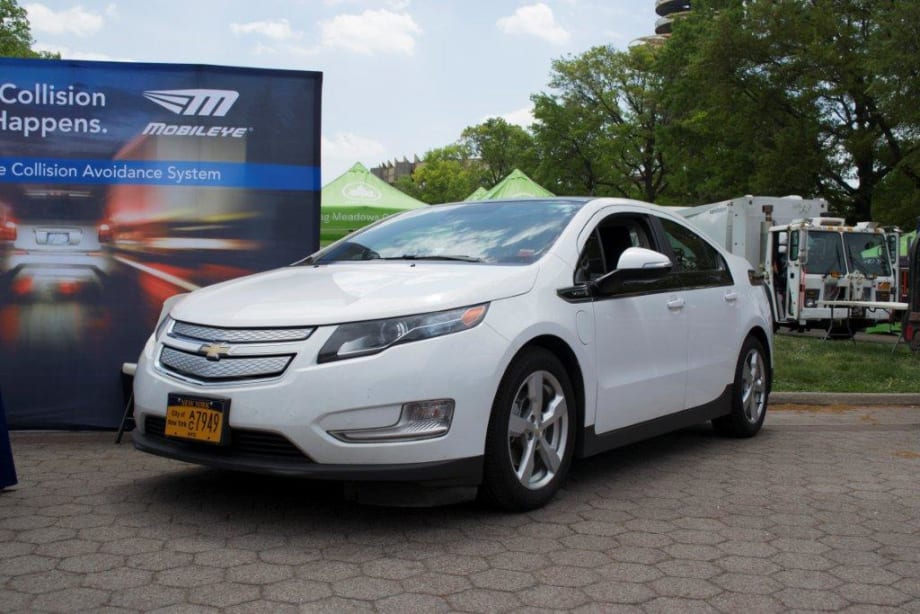
Photo courtesy of DCAS.
3 min to read
Photo courtesy of DCAS.
New York City has begun implementing a plan to eliminate nearly 10% of of its light-duty fleet vehicles by the end of 2020, following the passage of a city law requiring a formal car-sharing plan.
The city's Department of Corrections will be the first city agency to roll out car sharing following Mayor Bill De Blasio's May 6 signing of Intro 597-A into law. The initiative is part of De Blasio's OneNYC sustainability plan and the city's Vision Zero safety plan.
The new law requires the Department of Citywide Administrative Services (DCAS) to reduce the city fleet by 2% per year for four years beginning in 2016 and reduce the fleet by 1% in 2020. With the passage of the legislation, DCAS will expand a car-sharing plan that has been in place for about two years, said Keith Kerman, the city's chief fleet officer.
"The local legislation builds on the city's existing efforts," Kerman said. "It mandates that the fleet expand car-share and fleet-share programs."
Under the city's car sharing initiative, city workers who need a car on a sporadic basis can access private car-sharing vehicles from companies such as Zipcar just like a member of the public. Under the fleet-share program called FastFleet, DCAS has added Zipcar's car-sharing technology to city-owned vehicles to increase the utilization of motor pool vehicles. The city has added Zipcar's technology to 600 city vehicles, and plans to roll it out to 1,000 units by 2017.
The Department of Corrections is the latest city agency to begin using car sharing, joining DCAS, parks, environmental protection, health, transportation and Grow NYC. The pooling technology that allows workers to swipe key cards over a vehicle to unlock it works best with agencies who have general pools of vehicles and close proximity to parking structures. Emergency services vehicles such as police and fire wouldn't be a good fit for the program, Kerman said.
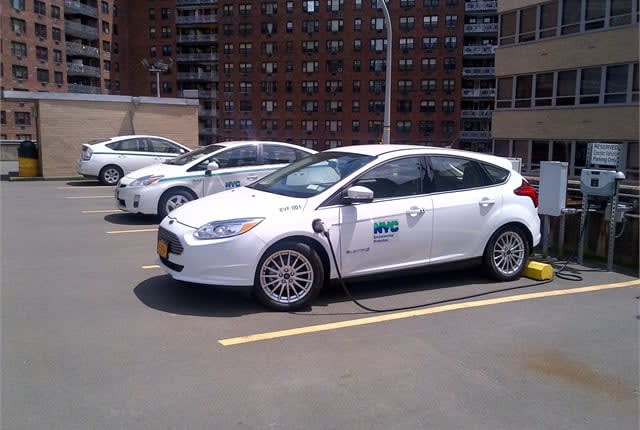
Photo courtesy of DCAS.
The city's car-sharing plan has been geared toward city workers who don't need access to vehicles on a daily basis, and the city doesn't expect to reach a point where it has a shortage of vehicles.
"There are a lot of units and staff people who need access to city vehicles but they really don’t need them five days a week," Kerman said. "It doesn’t matter which car you use every day, just that you have access to a vehicle. We've found we have more than enough vehicles."
The increased efficiency also allows the city to sell off vehicles at auction. The city can save up to $5,000 per year per reduced vehicle.
"If you're using this to optimize and reduce your fleet, it’s a cost saving program as well as an important culture change," Kerman said.
More Operations

How St. Johns County Turned Fleet Data Into Better Replacement Decisions
St. Johns County, Florida, had fleet data, but turning it into reliable decision guidance was another matter. Instead of starting over with a new fleet management system, the county connected existing tools and built a scoring system that gives managers an objective look at fleet health.
Read More →
Fleet Forward Conference Introduces One-Day Passes for 2026
New one-day registration lets fleet professionals attend Tuesday, Wednesday, or Thursday, with passes available for $249.
Read More →
ENC Unveils its ZAVIR Medium-Duty Shuttle
Two variants of the concept shuttles were revealed: a low-floor configuration and a high-floor configuration.
Read More →
Could Your Next Fleet Technician Start as an Intern?
What if your next technician hasn’t worked in a fleet shop yet? What fleets are doing to free up time.
Read More →
How Phoenix Is Building Its Next Generation of Fleet Technicians
With more than 8,000 vehicles and pieces of equipment to maintain, the City of Phoenix could not afford to wait for fully trained technicians to walk through the door. Instead, they revamped their entire workforce strategy and showed how public fleets can create their own talent pipeline while preparing existing employees for increasingly complex vehicles.
Read More →
What’s Slowing Your Fleet Down?
Could a change in how work gets done help your fleet return vehicles to service sooner?
Read More →
Can Public Fleets Trust the Data Driving Their Decisions?
Public fleets have more data than ever, but inconsistent records and missing information can still undermine maintenance, replacement, and cost decisions.
Read More →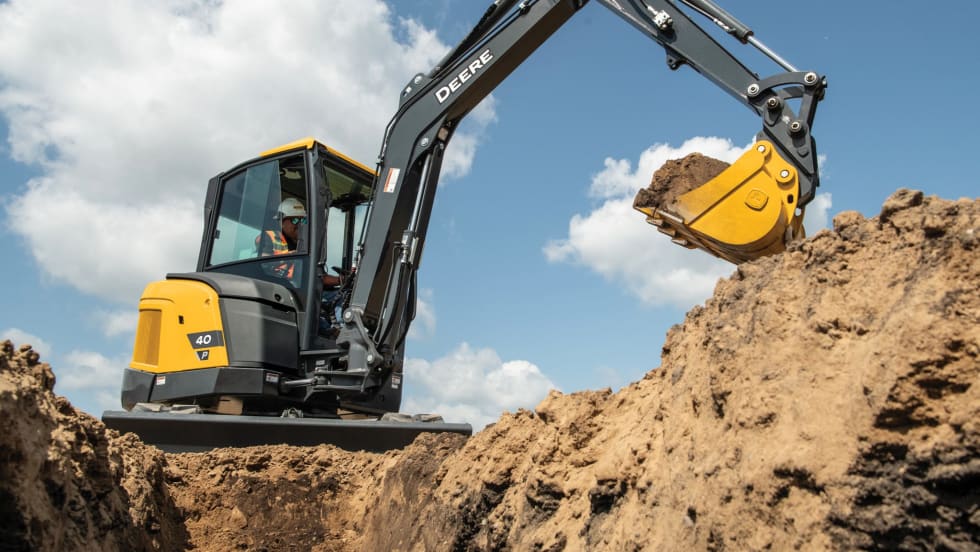
John Deere Introduces 40 P-Tier Compact Excavator
John Deere is adding a compact excavator designed for crews that need to move equipment between jobsites and handle multiple types of work with one machine. The 40 P-Tier weighs less than 10,000 pounds and offers configurable hydraulics, attachment options, and connected fleet-management capabilities.
Read More →
How Leading Fleets Improve and Why Business Plans Matter
This week, we look at what past Leading Fleet winners can teach us about making progress, plus how to build a business plan your fleet will actually use.
Read More →
Nominate a Fleet Leader for the 2027 Public Fleet Hall of Fame
Do you know a fleet leader who has made a lasting impact on the industry? Nominate this fleet professional for the 2027 Public Fleet Hall of Fame.
Read More →