





Hear From Another Hall of Fame Inductee: Hall of Famer Michael Brennan on Preparation, People, and Purpose
Adapting for the Long Haul with Strategies from a Florida Fleet Leader
Monroe County, Florida, Fleet Management Director and Hall of Fame Inductee Daryl Greenlee answers our questions on adapting to industry change, leading with strategy, and preparing fleets for what’s next.
May 9, 2025
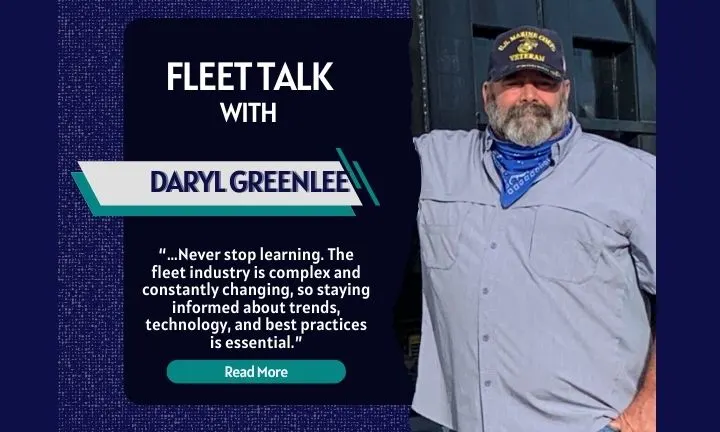
Monroe County, Florida, Fleet Management Director and Hall of Fame Inductee Daryl Greenlee answers our questions on adapting to industry change, leading with strategy, and preparing fleets for what’s next.
Photo: Government Fleet
3 min to read
Success isn't always about sticking to a routine; many times, it means being flexible, especially as fleet evolves. We caught up with 2024 Hall of Fame inductee Daryl Greenlee to talk about this and how experience, leadership, and strategic thinking while addressing both current challenges and future trends.
The Monroe County, Florida, fleet management director answered our questions on adapting to industry disruptions, building a resilient team, and preparing operations for a more data-driven and sustainable future.
GF: Biggest lesson(s) learned in fleet and how has that shaped your role?
Greenlee: A key lesson I’ve learned is the importance of adaptability. The fleet industry is constantly evolving with new technologies, regulations, and societal expectations.
Early on, I realized that being open to change and continuously learning about emerging trends, whether it's electric vehicles, telematics, or regulatory updates, has been crucial. This mindset has helped me stay ahead of the curve and proactive approach to my role with a solutions-oriented perspective.
GF: What are some unexpected challenges you’ve faced and what do those look like now?
Greenlee: One unexpected challenge has been the shortage of vehicle parts and supply chain disruptions. It has affected vehicle repair times and vehicle availability. To deal with this, I’ve implemented more proactive fleet maintenance schedules, established strong relationships with multiple suppliers, and increased vehicle uptime through preventive maintenance measures.
We’ve also started exploring flexible lifecycles to include the build times for vehicle replacements, incorporating projections from the industry, to ensure we have the necessary fleet resources available for critical operations.
GF: What do you think makes a successful fleet leader and in turn, a successful team?
Greenlee: A successful fleet leader must balance technical expertise with strong communication and leadership skills. They need to be visionaries who embrace new technologies while ensuring that the team feels supported and motivated.
A successful team is one where each member feels valued, understands their role, and is given opportunities to grow. As a leader, it’s essential to foster a culture of collaboration, continuous improvement, and mutual respect.
GF: What projects are you working on now?
Greenlee: Currently, we are working on implementing our Web based (FMS) Fleet Management System to better track preventive maintenance schedules, streamline repair processes, and minimize vehicle downtime.
We’re also evaluating the feasibility of transitioning to electric vehicles for certain segments of the fleet to reduce emissions and lower operating costs in the long term. Additionally, we’re updating our fleet replacement strategy to align with both budget constraints and sustainability goals.
GF: What is your advice for new fleet managers?
Greenlee: My advice is to never stop learning. The fleet industry is complex and constantly changing, so staying informed about trends, technology, and best practices is essential. Build strong relationships with your team and stakeholders. Lastly, always be proactive with maintenance, planning, and forecasting. By staying ahead, you can avoid many common pitfalls and position yourself—and your fleet—for long-term success.
GF: What do you think the future of fleet looks like and how can fleets prepare for what’s ahead?
Greenlee: The future of fleet is definitely heading toward increased electrification, autonomous vehicles, and integrated technology solutions like AI and machine learning for predictive maintenance and routing. Fleets will need to prepare by investing in sustainable technologies, upskilling their teams, and being open to new ways of managing vehicles and assets. Preparing for a more data-driven and environmentally conscious future will be key for fleet operations.
GF: What do you enjoy most about what you do?
Greenlee: What I enjoy most is the problem-solving aspect of fleet management. Every day presents a new challenge, whether it’s optimizing operations, managing budgets, or integrating new technologies. I love the feeling of making a tangible impact, whether it’s improving efficiency, reducing costs, or enhancing the safety and performance of our fleet.
Subscribe to Our Newsletter
More Operations

Is Keeping Older Fleet Vehicles Really Saving Money?
Is keeping vehicles longer saving money, and what happens when a diagnostic test points to the wrong fix?
Read More →
How Smart Fleet Strategy Can Help Local Government Agencies Do More with Less
Keeping a vehicle longer may ease this year’s budget, but what does it cost the next one? A closer look at fleet decisions can reveal opportunities to reduce spending while protecting essential services.
Read More →
Connect with Government Fleet on LinkedIn
From industry news and fleet management strategies to conversations with peers, Government Fleet's LinkedIn page offers public-sector fleet professionals another way to stay informed and connected.
Read More →
Town of Queen Creek Named Most Successful Fleet Award Winner of Inaugural RTA Fleet Success Awards
Five fleets were honored at RTA Connect 2026 in Chicago for excellence across resource efficiency, intentional culture, risk management, and stakeholder satisfaction.
Read More →
Sponsored•October 14, 2026
A buyer's guide to fleet management software in 2027
Buying fleet management software in 2027 means looking beyond features and price. As fleet operations, technology and expectations evolve, this guide explores what today’s fleet professionals should consider when choosing a system that can deliver value now and adapt to what comes next.
Read More →
Hazard Alerts, Fleet Car Sales Rise and a New Shuttle Concept
Fleet car sales doubled, but the bigger picture tells a different story in this week’s roundup.
Read More →
How St. Johns County Turned Fleet Data Into Better Replacement Decisions
St. Johns County, Florida, had fleet data, but turning it into reliable decision guidance was another matter. Instead of starting over with a new fleet management system, the county connected existing tools and built a scoring system that gives managers an objective look at fleet health.
Read More →
Fleet Forward Conference Introduces One-Day Passes for 2026
New one-day registration lets fleet professionals attend Tuesday, Wednesday, or Thursday, with passes available for $249.
Read More →
ENC Unveils its ZAVIR Medium-Duty Shuttle
Two variants of the concept shuttles were revealed: a low-floor configuration and a high-floor configuration.
Read More →
Could Your Next Fleet Technician Start as an Intern?
What if your next technician hasn’t worked in a fleet shop yet? What fleets are doing to free up time.
Read More →