



Collaboration and Efficiency Keep Fayetteville Police Cars on the Road
How Fayetteville’s fleet department works together with other city departments to ensure police officers have the tools they need to protect their community.
 MENU
MENU SEARCH
Adapting to rising costs, supply chain delays, and evolving vehicle designs has pushed a police fleet to find new ways to stay operational and resourceful.
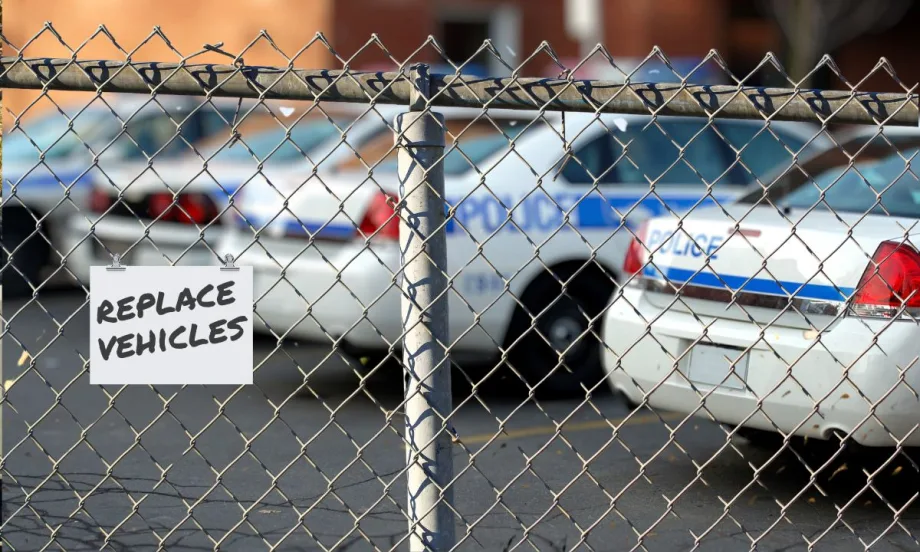
For fleets requiring replacement vehicles, lead times of over a year can make it near impossible to maintain minimum operational levels.
Photo: Government Fleet
Dave Cardillo noted that in 2021, the price of a basic SUV for his fleet at the Billings, Montana, Police Department was about $36,000. Today, that same vehicle costs about $49,000, said Cardillo, whose job title is quartermaster for the department.
“So in four years, that cost has gone up 13 grand, which is horrible because your budget is pre-set at a certain amount to adjust for inflation, historically 3 to 5%, but the roughly 26% inflation over the past four years has just smoked us,” Cardillo said.
Supply chain issues have been a second challenge for Cardillo, who oversees the department’s fleet of 96 marked patrol vehicles, 33 unmarked patrol vehicles, and 12 specialty vehicles, which includes SWAT vans, hostage negotiation vans, and crime scene vans.
As an example of the supply chain challenges, the department was recently due to rotate out 12 of its patrol vehicles. But because of those issues, the department won’t dispose of its old vehicles until the new ones arrive.
“I keep cars in the back for parts, and that’s unheard of, but we needed to do that because the parts supply
been so poor,” Cardillo said.
The department typically rotates a vehicle out every eight years or 130,000 miles depending on condition. Cardillo said the department was looking to rotate out 25 patrol and non-patrol vehicles this year.
“However, 13 of them have good maintenance histories, they’re good-running vehicles, and I can keep those in the fleet for another year,” he said. “I’ll rotate out the 12 that need to go. It’s time. But I won’t actually get rid of them. I’ll put them along a fence and use those things for parts.”
He has had to occasionally pull a vehicle that was due for disposal back into service from the back fence “to backfill for the unexpected loss of active vehicles, mostly due to accidents,” he said. “The lead time to receive a replacement vehicle can be well over a year, and we just can't afford to work below our minimums for that long.”
Cardillo said accessories for the vehicles cost as much as the purchase price of the
basic SUV. Those accessories include lights, radios, safety gear, dividers, rear seats, and bars for the windows.
“All that stuff costs 40 grand per car,” he said. “And that technology has gone up 25%,
so our budgets are getting crushed.”
Cardillo said he may soon ask the city council to address funding priorities, noting that an undesirable solution may be the only option left for shrinking budgets: to forego some technologies such as car cameras and just have body cameras for the officers; or that technology all together.
He said his agency is not the only one facing those types of decisions.
“The public and legal system has come to expect certain technology that officers should have, which is No. 1, body cameras,” he said. “A lot of people believe that if it’s not on camera, ‘well you’re hiding something’ or if it’s not on camera we’re not going to prosecute. But to pay for that technology, you’re talking $1 million, $1.5 million a year.”
He said the vehicle manufacturers are creating another significant hit to the budgets and subsequently accessory packages. When they change designs in the model year, most of the time new accessories must be built to fit the size of the newly released vehicle, he said.
“When the engineers build a new SUV and change maybe just a 3-inch width in the interior, that trashes most of my interior parts, because now they don’t fit,” he said. “It would be a huge help if the engineers asked: ‘How can we build this so that it’s using the existing SUV interior packages to help be able to transfer that over, just take them out and put it in a new car?’ Right now I don’t see them doing that, but it would save us a tremendous amount of money and heartache.”
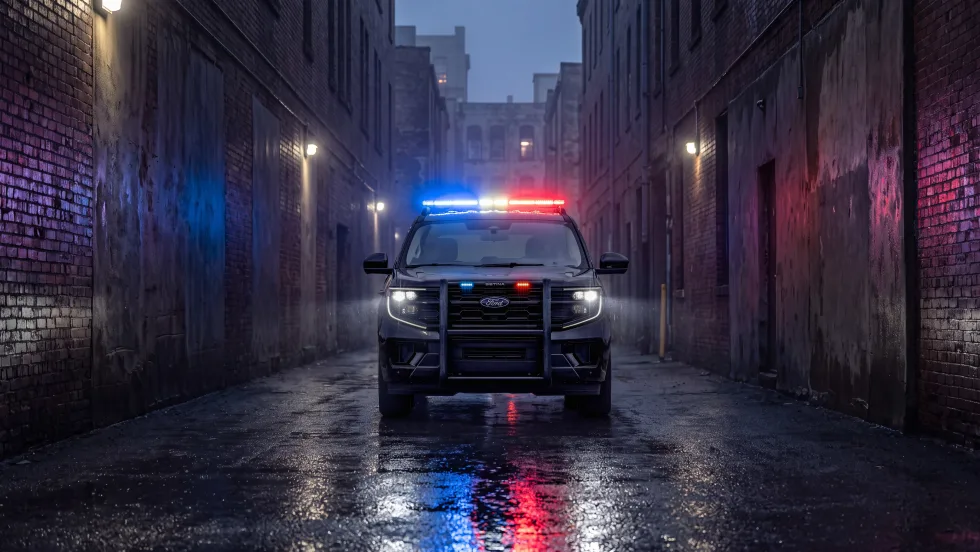
Ford Pro gave law enforcement customers a first look at the pursuit-rated utility during Police Fleet Expo.
Read More →
The Paterson Police Department has expanded its drone program and opened a new Real-Time Operations Center designed to support emergency response and incident management. The initiative integrates multiple technologies to provide officers with real-time information during investigations and public safety operations.
Read More →
Tim Coxwell of the Leon County Sheriff’s Office discusses the projects shaping his fleet operation, including long-term work around vehicle selection, greenhouse gas emissions, and cost per mile.
Read More →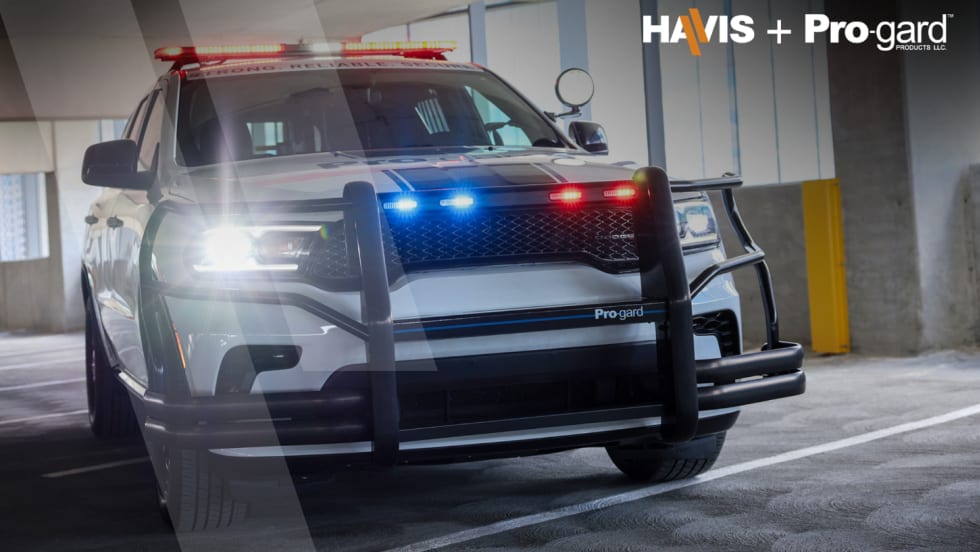
The acquisition brings together two manufacturers of public safety vehicle equipment under one company. Havis says the move expands its portfolio of products for outfitting law enforcement vehicles and other public safety fleets.
Read More →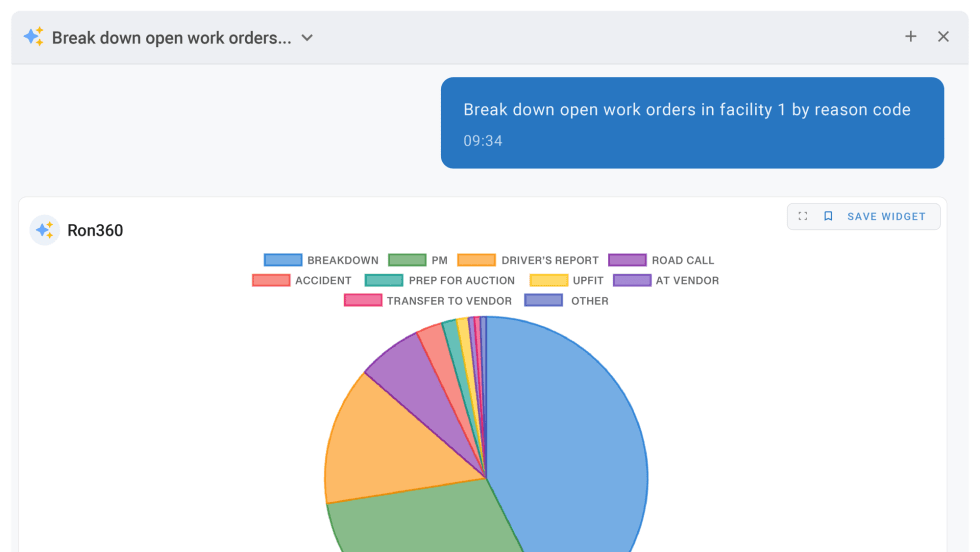
As artificial intelligence continues to gain traction across public-sector operations, fleet software providers are finding new ways to incorporate the technology into everyday workflows. RTA's latest addition aims to simplify how users interact with fleet data.
Read More →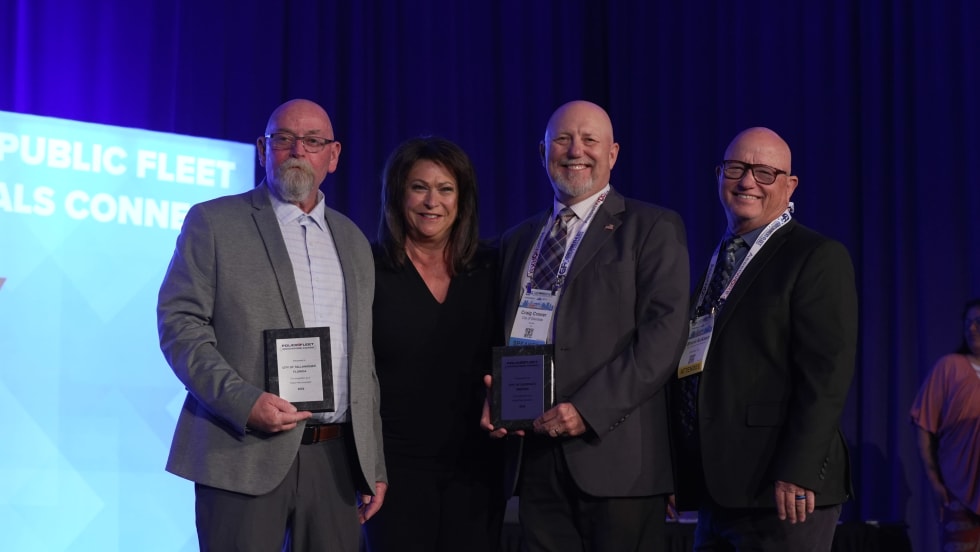
Meet the professionals finding new ways to solve some of law enforcement's toughest fleet challenges.
Read More →
The North Carolina Sheriff’s Association Contract Cooperative purchasing contract aims to streamline procurement process for law enforcement agencies across the U.S.
Read More →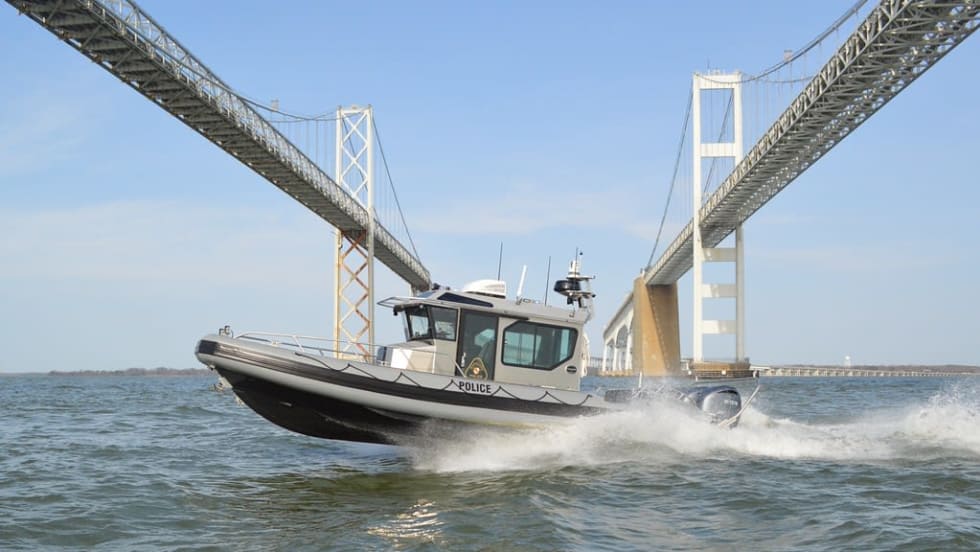
A new addition to Maryland’s marine enforcement fleet is bringing expanded capabilities to Chesapeake Bay operations while honoring a legacy within the agency. The high-performance patrol vessel reflects how law enforcement fleets are adapting to growing demands on the water.
Read More →
LEHR has acquired Florida-based emergency vehicle upfitter Enforcement One, marking its eighth add-on acquisition.
Read More →
The agency is also working with the Maryland Police Training Commission on a specialized high-performance driving course for deputies assigned to the vehicles.
Read More →