


💡Did you know?
Ferdinand Porsche (yes, that Porsche) is credited for creating the world's first hybrid electric vehicle in 1901?
 MENU
MENU SEARCH
Over the past 25 years, hybrid technology has evolved significantly, benefiting from advancements in engineering, vehicle design, and even lessons learned from motorsports.
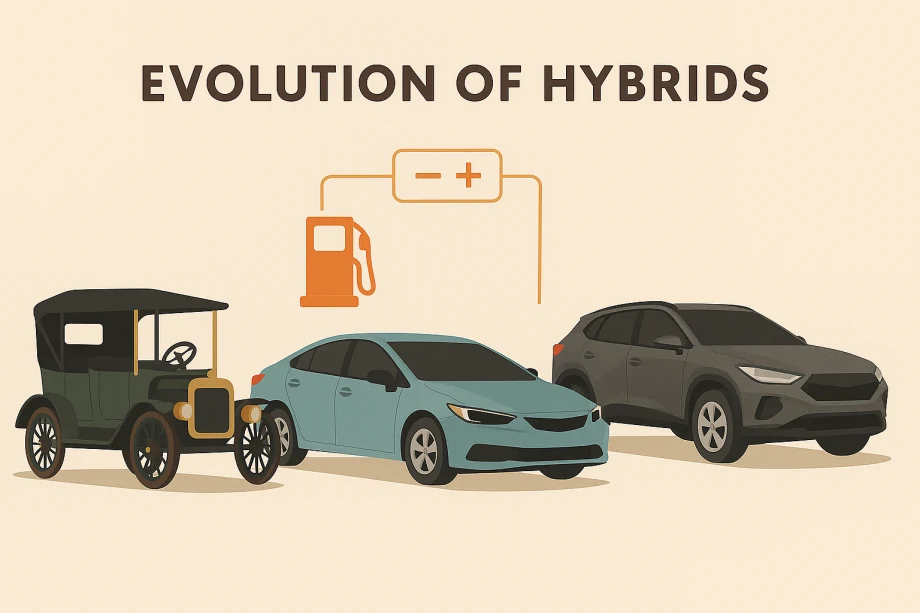
Over the past 25 years, hybrid technology has evolved significantly, benefiting from advancements in engineering, vehicle design, and even lessons learned from motorsports.
Photo: This utilizes an AI-generated image. Refer to our Terms of Use.
More than a century after the world’s first roadworthy hybrid automobile, hybrids have provided fleets with an option when looking for improved fuel economy without compromising the mainstream.
Simply put, a hybrid vehicle is one that can propel itself with more than one type of energy, and by far the most common are gasoline-electric hybrids. An internal combustion engine is paired with an electric motor (or motors) and battery pack, which are used separately or in combination for the most efficient propulsion.
First envisioned as the ultimate fuel sippers, the hybrids of the last century were designed primarily for fuel economy and lower emissions, designed with the rigors of urban stop-and-go traffic in mind. However, early hybrid technology was less cost-efficient, hence the slow start to their market penetration.
While automakers experimented with different forms of propulsion and electrified power in the 20th century, most production hybrids were seen in larger vehicles, like buses and trucks, and it wasn’t until the 1990s that hybrid cars saw renewed interest and development. By the early 2000s, customers could choose from hybrid cars, trucks, and SUVs, and the number of hybridized and electrified vehicles has grown substantially since.
Over the past 25 years, hybrid technology has evolved significantly, benefiting from advancements in engineering, vehicle design, and even lessons learned from motorsports. Today, hybrid systems are not designed to improve fuel consumption and reduce emissions for fleets, but also for enhancing vehicle performance.
In many cases, hybrid models can offer both quicker acceleration and better efficiency than their non-hybrid counterparts, demonstrating how far the technology has come.
For years, some automakers focused on maximizing fuel economy without hybrid or electric assistance, relying on lightweight designs, advanced transmissions, and efficient combustion engines to achieve strong mileage ratings. Now, as fleet needs shift, manufacturers are expanding their hybrid offerings to blend efficiency with driving engagement and a modern design.
Today, hybrids come in many forms—from traditional hybrids to plug-in models—and are designed to fit a wide range of lifestyles. For drivers who want better fuel efficiency without fully committing to an EV, hybrids offer a practical middle ground. Plug-in hybrids, in particular, provide electric-only driving for short commutes, with the reassurance of a gasoline engine for longer trips.
These electrified options backed by gas engines alleviate the idea of range anxiety, but still notably reduce customer's carbon footprints and fuel costs. This shift reflects a broader industry trend where hybrid technology is no longer just about fuel savings but about finding versatile solutions that cater to the diverse needs and driving preferences of modern fleets.
Today’s hybrid buyers aren’t just looking for lower fuel bills; they expect the same comfort, capability, and driving enjoyment they’d get from any modern vehicle. That’s why automakers are evolving their approach.
Rather than treating hybrids as a separate category, brands are now building them with the same attention to driving dynamics and design quality found in their conventional models. Precise steering, responsive acceleration, quality interiors and all-wheel drive capability are just some of the ways automakers are adapting to this market shift.
Hybrid vehicles have made considerable progress in the last twenty years, so much so that a “hybrid” badge is now hardly more significant than model or trim. As for what’s ahead, greater market variety and customer choice will be at the forefront.
Automakers are always looking into powertrain refinements like battery chemistry and software, along with manufacturing efficiencies to control overall costs for customers. Hybrids continue to be an appealing fleet addition to automakers, as they don’t require infrastructure changes the way the addition of EVs would.
Drivers are able to ‘get-in-and-go,’ just as they would in a gas vehicle, which eliminates the installation of mass charging stations, which would need to be considered when introducing EVs.
Additionally, they can offer a long service life comparable to an ICE (Internal Combustion Engine) vehicle that doesn’t require any notable change when it comes to maintenance or repair, while reducing fuel costs and overall emissions.

When a pinpoint test leads to a replacement that doesn’t fix the problem, technicians need to look beyond the instructions.
Read More →
Every municipal vehicle tells residents something about how their fleet is being managed. For King Township, Ontario, that visibility made speeding more than a driver performance issue.
Read More →
As automakers pivot toward hybrids and extended-range models, the costly slowdown in battery-electric vehicle adoption raises questions about what comes next for the Big Three and government fleets.
Read More →
Clear development opportunities can help fleets show technicians how their skills and careers may progress within the organization.
Read More →
As municipalities expand their use of fleet technology, the challenge is less about collecting data and more about making that data usable.
Read More →
The potential to manage your fleet effectively while ensuring the safety of both employees and the community can often go untapped, but there are certain habits you can adopt to get to that point.
Read More →
For fleet professionals who haven't attended GFX in a while, this year's event provides more than just education sessions and networking opportunities. From emerging leaders and innovative fleet strategies to industry recognition and peer-to-peer discussions, GFX 2026 reflects the changing landscape of public fleet operations.
Read More →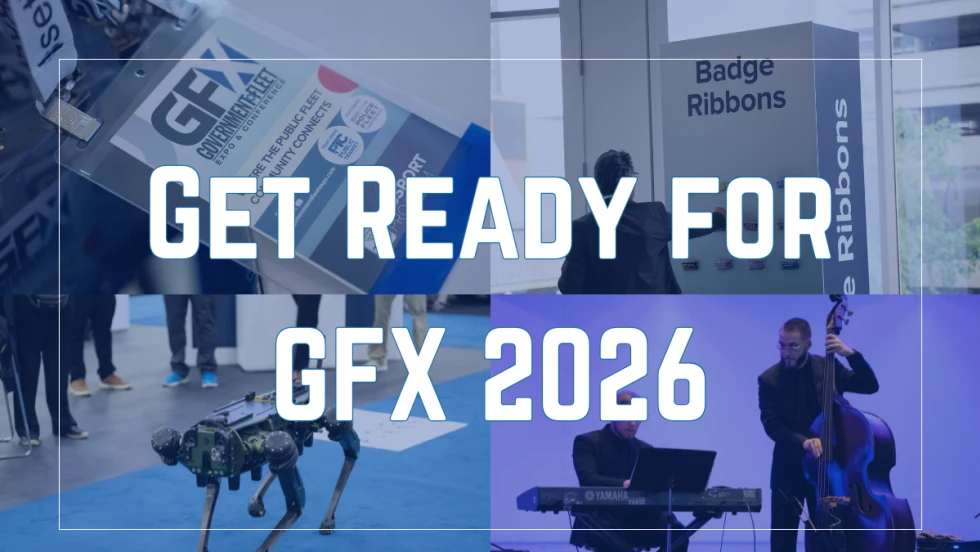
The Government Fleet Expo & Conference can be overwhelming in the best way possible. Whether you’re a first-time attendee or a returning fleet professional, these practical tips will help you plan ahead, stay energized, maximize networking opportunities, and make the most of every moment at GFX 2026 in Long Beach.
Read More →
A new strategy in how to present conference attendance justification for you and even for your staff and how you and they can benefit and even thrive in the conference environment.
Read More →
How the EV model can address concerns about meeting state mandates, cost, emissions and range anxiety.
Read More →