




Survey Finds 83% of Fleets Say AI is the Future of Safety
The survey found that fleets are increasingly turning to AI for real-time driver monitoring, accident prevention, and training, despite concerns about data privacy and the need for human oversight.

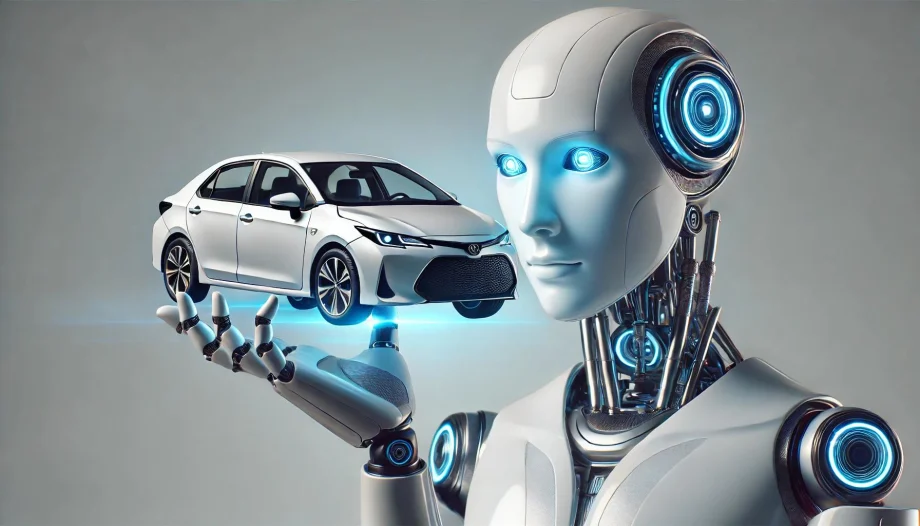
Despite fleets increasingly turning to AI for real-time driver monitoring, accident prevention, and training, there are still concerns about data privacy and the need for human oversight.
Photo: Photo: This utilizes an AI-generated image. Refer to our Terms of Use.
Teletrac Navman, a connected mobility platform, announced the findings of its AI & Driver Safety survey – a new supplement to its 2025 Distracted Driving & Driver Safety Report – which found that 83% of fleets say that AI is the future of safety.
“The use of AI by fleets is expanding from, primarily, fleet planning to fleet operations,” said Alain Samaha, CEO, Teletrac Navman. “There are clear safety advantages in harnessing AI with vehicle and dashcam data including preventing accidents by reducing distracted driving, and our customers are turning to Teletrac Navman and TN360 as a partner in achieving these results.” According to the survey, 26% are testing or piloting AI safety solutions and 18% are exploring options.
AI and Driver Safety
Distracted driving incidents, such as using mobile devices behind the wheel are growing. Forty nine per cent (49%) of respondents to an earlier survey from Teletrac Navman said that distracted driving had a direct financial cost on their business. Technology, training, and developing a culture of safety are three tactics being employed by fleet operators to reduce the number of incidents.
As such, 32% of respondents said that AI will effectively be used to monitor driver behavior in real time and to reduce distracted driving incidents (16%); predicting and preventing potential accidents (17%); improving vehicle maintenance (14%); and enhancing training/coaching through data insights (13%).
Concerns, Challenges, and Human Interaction
However, implementing AI is not without its concerns and challenges. Despite 66% of teams being aware of the safety benefits of AI, 23% of respondents said they were concerned about data privacy and 14% fear resistance from drivers or staff. Forty Seven per cent (47%) of respondents said that human interaction is crucial for effective decision making and 37% said humans provide accountability and ethical oversight.
“Camera and telematic data, in combination with AI, have the potential to be a very powerful tool for fleets who need to cut their exposure to risk,” added Samaha. “However, people are integral to making that happen, especially in situations where there may be concerns from drivers and unions. Effective communication is key.”
More Software
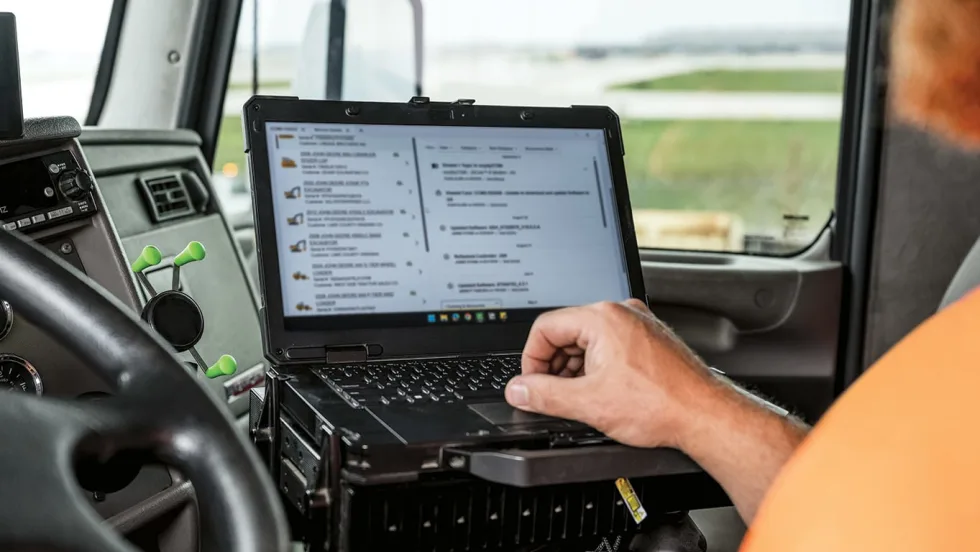
John Deere Introduces Satellite Connectivity for Equipment at Remote Jobsites
Limited cellular coverage can leave public works crews and fleet technicians without access to connected equipment data and diagnostic tools. John Deere's JDLink Boost uses satellite connectivity to extend access to machine information and online resources in remote areas.
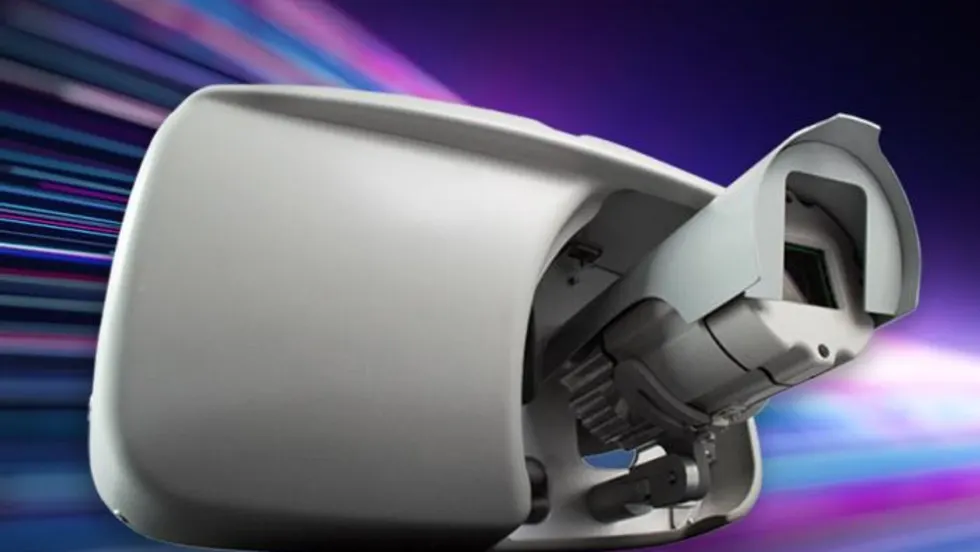
Idaho DOT Approves AI-Powered Traffic Detection Technology
The Idaho Transportation Department added Iteris’ Vantage Apex to its Qualified Products List, giving state and local agencies another option for using video and radar to monitor traffic at intersections and inform signal timing.
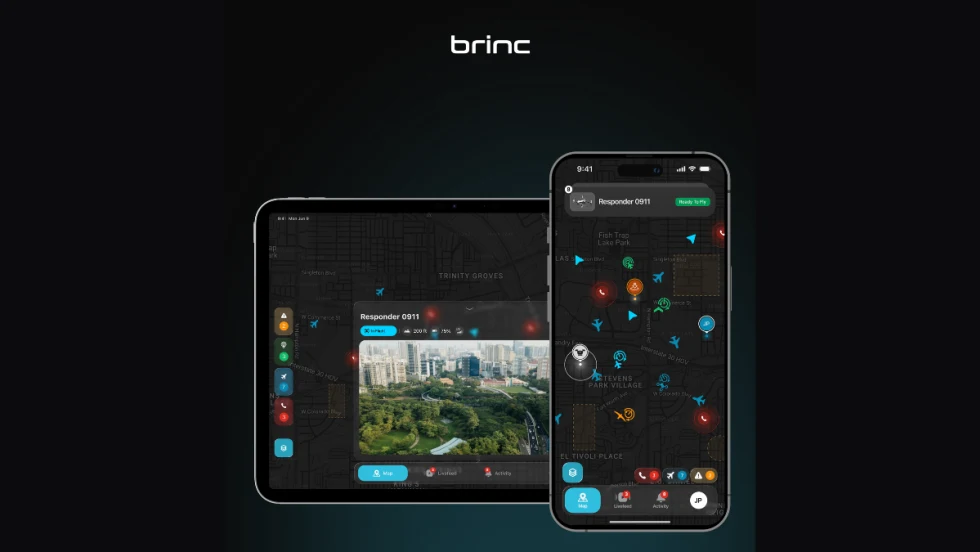
BRINC Launches Mobile App for Public Safety Drone Operations
As more public safety agencies incorporate drones into emergency response, access to aerial footage is expanding beyond drone operators and command centers. BRINC's new iOS app lets authorized personnel monitor live video, review flight information, and access agency drone operations on their mobile devices.
Motive and Routeware Partner to Bring AI-Powered Visual Proof of Service to Waste and Public Works Fleets
The new integration uses Motive AI cameras and telematics to help municipalities and private haulers reduce manual work, settle disputes faster, and protect drivers without leaving the platform their team already works in.
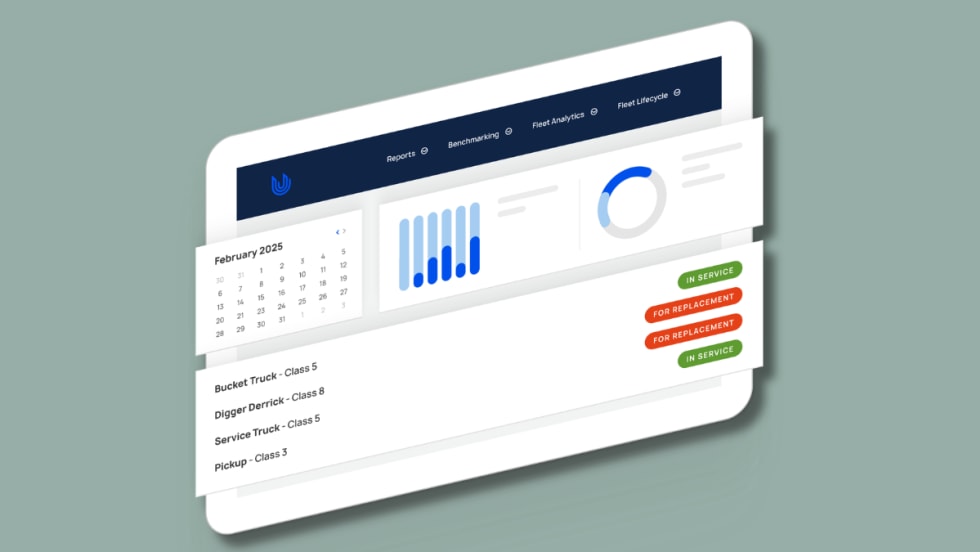
Utilimarc Introduces Vehicle Replacement Planning Tool
Replacing fleet vehicles often involves balancing budgets, maintenance costs, and operational needs. Utilimarc's new planning tool is designed to help fleet managers evaluate replacement priorities using existing fleet data.
Samsara Introduces New Brand Identity
The company behind one of the fleet industry's largest connected operations platforms has unveiled a new look. The updated branding reflects Samsara's growing emphasis on AI-driven tools and digital fleet management.
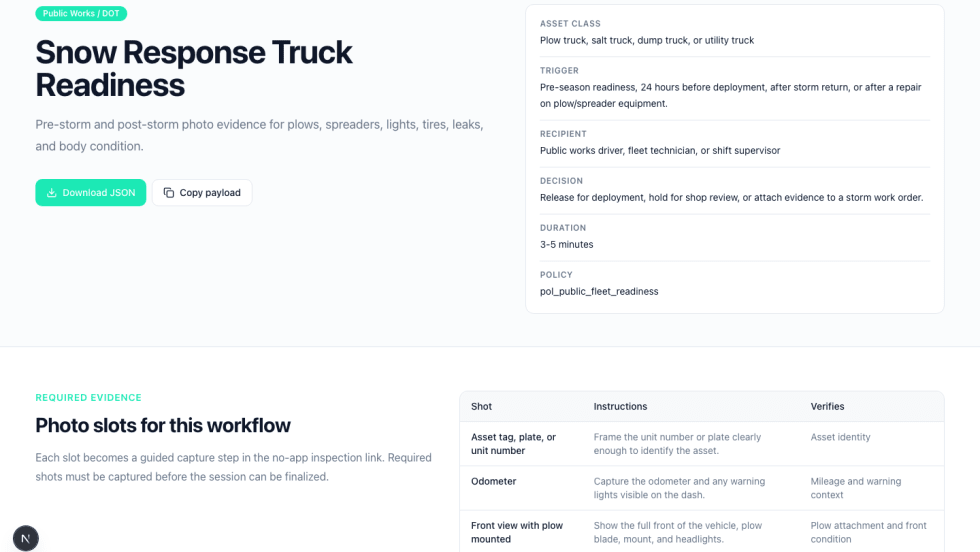
Switch Labs Launches VerifyAI Readiness Kit for Public Fleets
Fleet inspections often rely on paper forms, inconsistent documentation, or manual photo collection. A new toolkit from Switch Labs is designed to give public agencies a more structured way to verify vehicle readiness and track condition over time.
Geotab Launches AI Connector for Fleets
New Geotab MCP Connector enables organizations to securely access live fleet data, automate workflows and take action from within the AI platforms they already use.
Ford Adds AI Fleet Assistant to Ford Pro Telematics Platform
AI-driven insights allow fleet managers to query vehicle data, track performance trends, and identify maintenance needs across connected fleets.
Report Finds 53.3% of Fleets Researching or Piloting AI Capabilities
New benchmark data highlights the cost pressures, maintenance delays, and workforce constraints shaping fleet operations in 2026.