




Fleet Success Through GPS: Saving Money, Time, and Lives
How investing in a GPS fleet management system can provide your fleet with a return on investment within a short period of time.
by Robert Martinez
September 10, 2025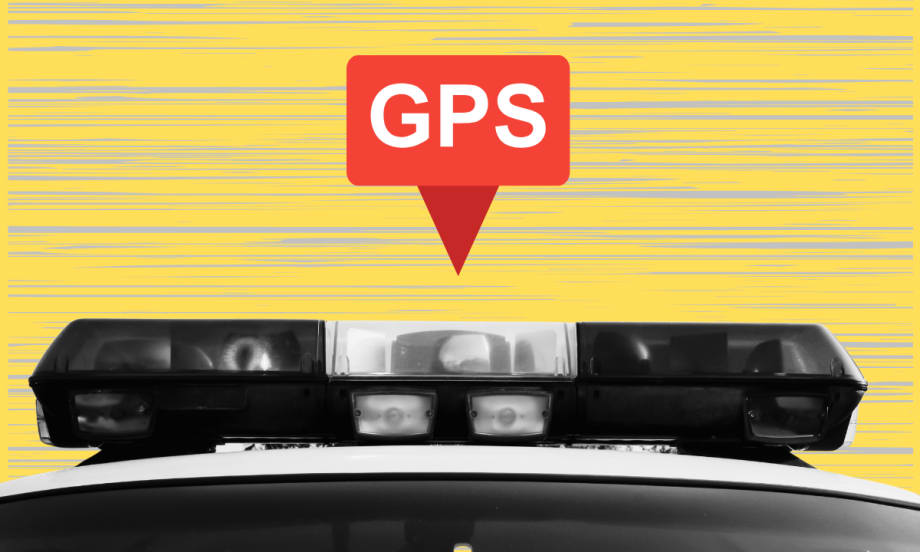
GPS technology can allow fleets to monitor vehicle locations, speeds, and maintenance needs in real time.
Photo: Government Fleet
7 min to read
My dad used to say, "penny-wise, dollar-foolish." I find myself thinking about this phrase when discussing GPS and telematics with fleet managers. Many fleet managers have found that investing in a GPS fleet management system almost always pays for itself or has a return on investment (ROI) in a short period.
It is becoming as essential as needing vehicles to have a fleet. These systems are now a part of fleet management 101 and, as we say in New York, one of the biggest bangs for the buck. I will outline some of the benefits of a GPS and include some of my real-world experiences of utilizing them.
Real-World Experiences with GPS
I had previously worked a consulting job for a fairly large city, and doing a vehicle inventory was virtually impossible. The city had to hire a third-party company to find and inventory their vehicles.
This is throwing tax dollars out the window. There were vehicles found that must've been in parking lots for years due to the amount of dirt and dust covering some of them.
I have also seen fleet managers begging for money to buy more vehicles when they have no idea if their current inventory of vehicles is being utilized. With the most basic GPS, vehicle inventory and vehicle utilization can be analyzed in minutes.
GPS in Action: My NYPD Experience
When I worked for the NYPD, and we were first starting to look at vehicle utilization, all I wanted to know was if a vehicle had been moved from point A to point B. I am happy to note that 90% of our marked vehicles were used daily.
GPS/telematics has become an invaluable tool to any police or government fleet manager starting to figure out their strategic plan for an electric vehicle transition.
Managing the largest police fleet in the U.S. — over 10,000 vehicles, 13 shops, and an $80 million budget — requires precise coordination. GPS technology allowed us to monitor vehicle locations, speeds, and maintenance needs in real time.
This data has been crucial in optimizing patrol routes, reducing fuel consumption, and improving dispatch efficiency. For example, we can quickly deploy the nearest available units during city-wide emergencies, reducing response times significantly.
The Importance of Real-Time GPS in Emergency Situations
A particular example of the importance of controlled deployment occurred during a subway bombing in New York City.
Due to officers self-deploying, 450 vehicles converged within a mile of the incident, creating severe congestion.
This over-response posed two critical risks: a potential secondary device that could have harmed many officers and civilians and a logjam of vehicles that would have delayed redeployment if officers were needed elsewhere.
This incident highlighted the necessity of a real-time GPS approach to manage vehicle deployment, ensuring the safety of personnel and the efficiency of operations.
The NYPD uses GPS for interactive dispatching in their domain awareness system, which includes everything from vehicle location to crime details of every location before arrival.
Enhancing Vehicle Lifecycle Management with GPS
Additionally, we analyzed the lifecycle of each vehicle by looking at factors like age, maintenance costs, and usage patterns. This data-driven approach allowed us to make informed decisions about when to replace or retire vehicles, ensuring that the city continued receiving reliable service despite any vehicle downtime.
It also helped us allocate funds appropriately for repairs or replacements, maintaining an efficient and dependable fleet.
The once manual process, now with GPS and telematics, is much faster and more accurate with today's technology for vehicle lifecycle management. Initially, I noticed we weren't purchasing enough vehicles to maintain our fleet.
Each vehicle category — patrol cars, unmarked vehicles, vans, trucks, SWAT vehicles, and buses — has a different lifecycle. Tracking these categories to determine yearly purchase needs was time-consuming.
Modern GPS and software tools now automate this process, tracking vehicle lifecycles and predicting component failures, which saves time and ensures officers drive safe, well-maintained vehicles.
By reducing the risk of breakdowns, officers can focus on their critical duties without vehicle issues. Data-driven efficiencies enhance both operational effectiveness and officer safety.
Tracking Stolen Vehicles and Legal Implications
Now, let's look at the power GPS puts at the fingertips of any fleet manager. One of the benefits I encountered was tracking and finding stolen vehicles. From time to time, we would have a vehicle that went missing, and we were able to find it within minutes.
Years back, we had a vehicle sold at auction and we were being sent tickets on it. So, we did some backtracking and were able to turn on the forgotten GPS unit and find the vehicle. We then were able to contact the owner and inform him he had to retitle the vehicle in his name and pay a pile of tickets.
Another event was when a corrections department bus that carries prisoners crashed on the Brooklyn Bridge. The driver was claiming mechanical failure of the brakes. We went back and reviewed the entire trip from the jail to the crash scene using GPS history.
For starters, the highest speed limit in the five boroughs of New York City is 50 mph. This driver was driving at 20 to 25 mph over the speed limit the entire trip. Then, only ten seconds before the crash, he applied the brakes. The second part of the story is the lawsuits that come from a crash like this. Years ago, lawyers had a gray area to sway juries in court; now, it is black and white.
This has changed the posture lawyers are taking in court. When GPS and other evidence support the city to fight lawsuits, the city can save millions of dollars.
Changing Driver Behavior and Improving Efficiency
The most considerable instantaneous effect is driver behavior changes overnight. Many organizations will see an improvement in delivery or route efficiency. This happens quickly and gives management the data to maximize efficiency.
The data collected is unbiased and helps identify what changes need to be made to improve any fleet operation. In the police world, we think we are invincible and drive faster than a speeding bullet. Many officers are injured or killed every year due to vehicle accidents. My hope is that GPS will help reduce this number.
In New York City, GPS is being used to track both sanitation trucks and school buses. The sanitation department tracks snow removal during snowstorms. This system is transmitted to a public website where citizens can view if their street or route has been plowed.
The school bus program resulted from an ice storm years ago when all the city roads experienced a flash freeze. The flash freeze caused every road in the city to become gridlocked. This storm was at the same time when schools were letting out. Hundreds of school buses filled with children were stranded throughout the city.
It took until 10 o'clock that night before many kids made it home. This resulted in a mandate that every school bus company contracted with the city of New York must have a GPS. Both the city and parents have access to this system in real-time.
GPS for Electric Vehicle Transition Planning
GPS/telematics has become an invaluable tool to any police or government fleet manager starting to figure out their strategic plan for an electric vehicle transition. I like to start a transition plan by identifying the electric vehicle for the mission or task at hand. The mission includes things like payload, range, and the amount of dwell time in a 24-hour period.
For police departments, it's like adequate space to transport detainees and required police equipment. However, the most important information is the duty cycle. Are vehicles hot seated, i.e., are vehicles going from tour-to-tour 24/7 with no dwell time?
Many departments have take-home vehicles that should have charge time available when they are not in use. A GPS takes much of the guesswork out of the planning process.
The ROI of GPS in Fleet Management
The list of benefits from investing in a GPS fleet management system goes on and on. These systems will, without question, pay for themselves within a short period of time. In some cases, your risk management department will pay for all or part of the cost of a GPS.
I have seen that winning one or two judgments will easily cover the cost of the system. In my experience, these systems will also help with the budgetary process in justifying vehicle replacement funding. So do not wait to invest today; you might save an officer's life.
This article was authored and edited according to Government Fleet editorial standards and style. Opinions expressed may not reflect that of Government Fleet.
Subscribe to Our Newsletter
More Operations

Is Keeping Older Fleet Vehicles Really Saving Money?
Is keeping vehicles longer saving money, and what happens when a diagnostic test points to the wrong fix?
Read More →
How Smart Fleet Strategy Can Help Local Government Agencies Do More with Less
Keeping a vehicle longer may ease this year’s budget, but what does it cost the next one? A closer look at fleet decisions can reveal opportunities to reduce spending while protecting essential services.
Read More →
Connect with Government Fleet on LinkedIn
From industry news and fleet management strategies to conversations with peers, Government Fleet's LinkedIn page offers public-sector fleet professionals another way to stay informed and connected.
Read More →
Town of Queen Creek Named Most Successful Fleet Award Winner of Inaugural RTA Fleet Success Awards
Five fleets were honored at RTA Connect 2026 in Chicago for excellence across resource efficiency, intentional culture, risk management, and stakeholder satisfaction.
Read More →
Sponsored•October 14, 2026
A buyer's guide to fleet management software in 2027
Buying fleet management software in 2027 means looking beyond features and price. As fleet operations, technology and expectations evolve, this guide explores what today’s fleet professionals should consider when choosing a system that can deliver value now and adapt to what comes next.
Read More →
Hazard Alerts, Fleet Car Sales Rise and a New Shuttle Concept
Fleet car sales doubled, but the bigger picture tells a different story in this week’s roundup.
Read More →
How St. Johns County Turned Fleet Data Into Better Replacement Decisions
St. Johns County, Florida, had fleet data, but turning it into reliable decision guidance was another matter. Instead of starting over with a new fleet management system, the county connected existing tools and built a scoring system that gives managers an objective look at fleet health.
Read More →
Fleet Forward Conference Introduces One-Day Passes for 2026
New one-day registration lets fleet professionals attend Tuesday, Wednesday, or Thursday, with passes available for $249.
Read More →
ENC Unveils its ZAVIR Medium-Duty Shuttle
Two variants of the concept shuttles were revealed: a low-floor configuration and a high-floor configuration.
Read More →
Could Your Next Fleet Technician Start as an Intern?
What if your next technician hasn’t worked in a fleet shop yet? What fleets are doing to free up time.
Read More →